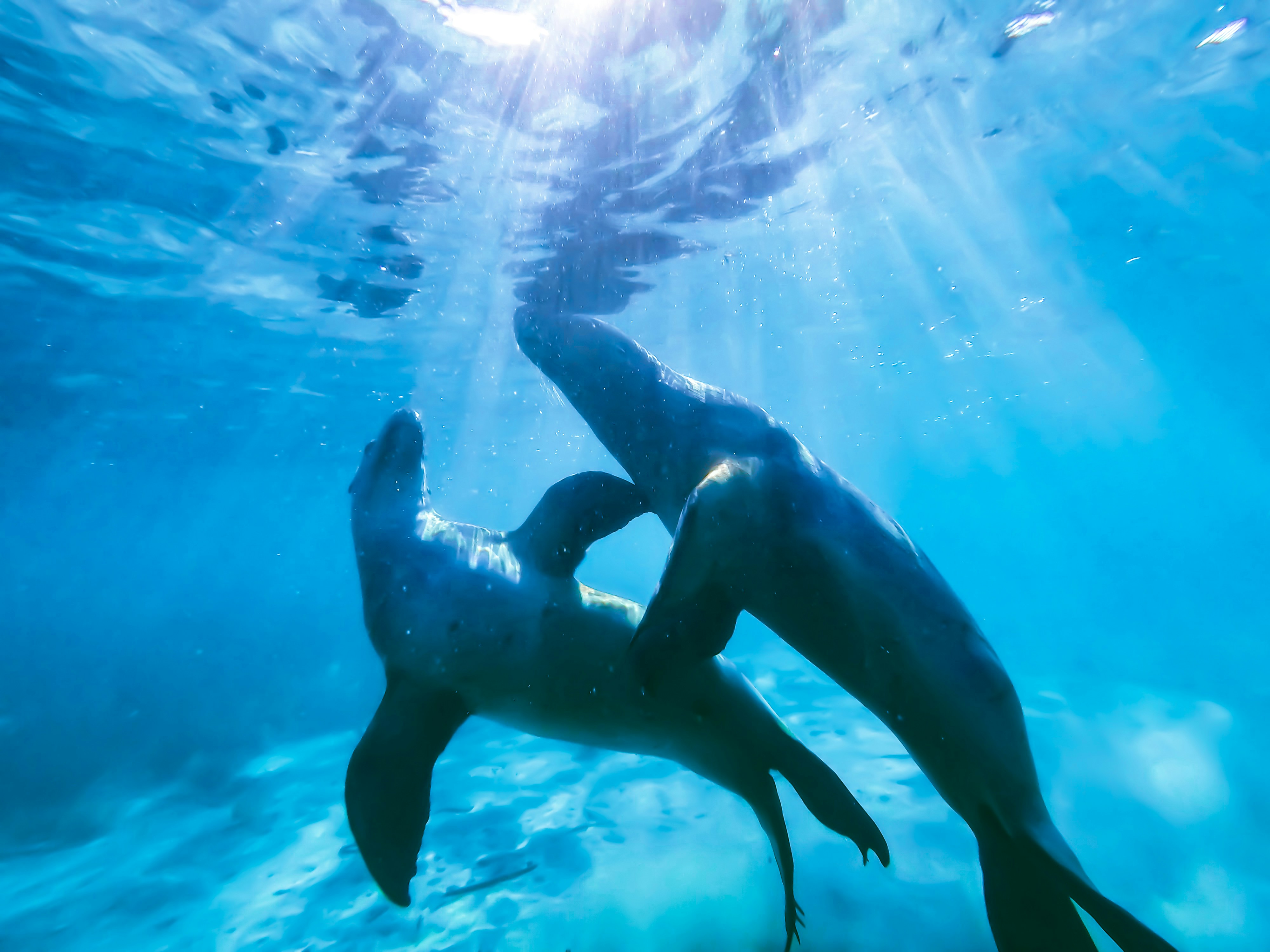
The open sea is large and lighted by the sun. Here, fish swim together in massive schools, sea lions joyfully frolic in the currents, and giant, gentle filter-feeders glide through the endless blue.
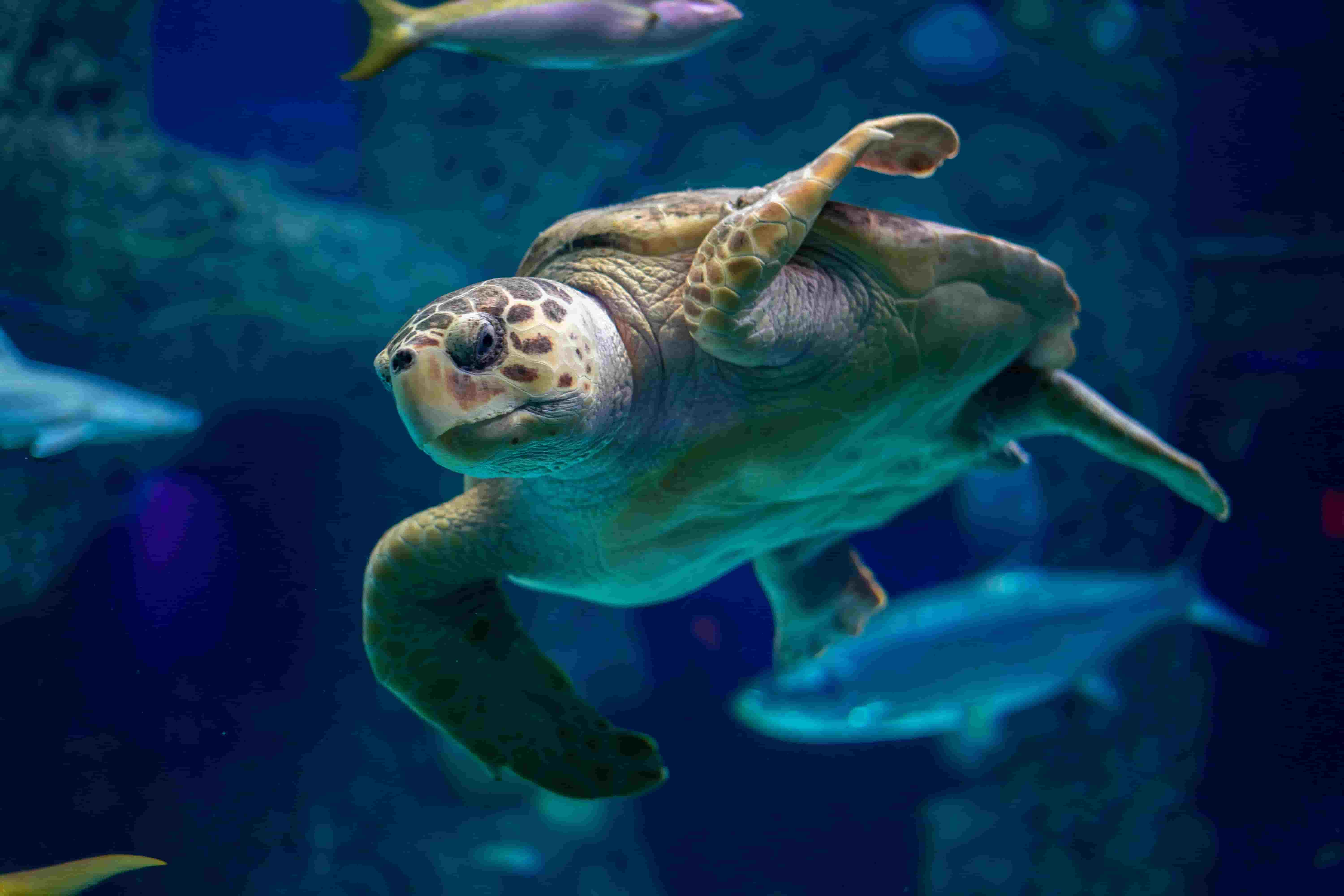
Albert is our resident Green Sea Turtle, rescued from a boat hit, and is now thriving in our open ocean exhibit. As ancient mariners, sea turtles eat and graze on seagrasses, playing a vital role in maintaining the health of our oceans.
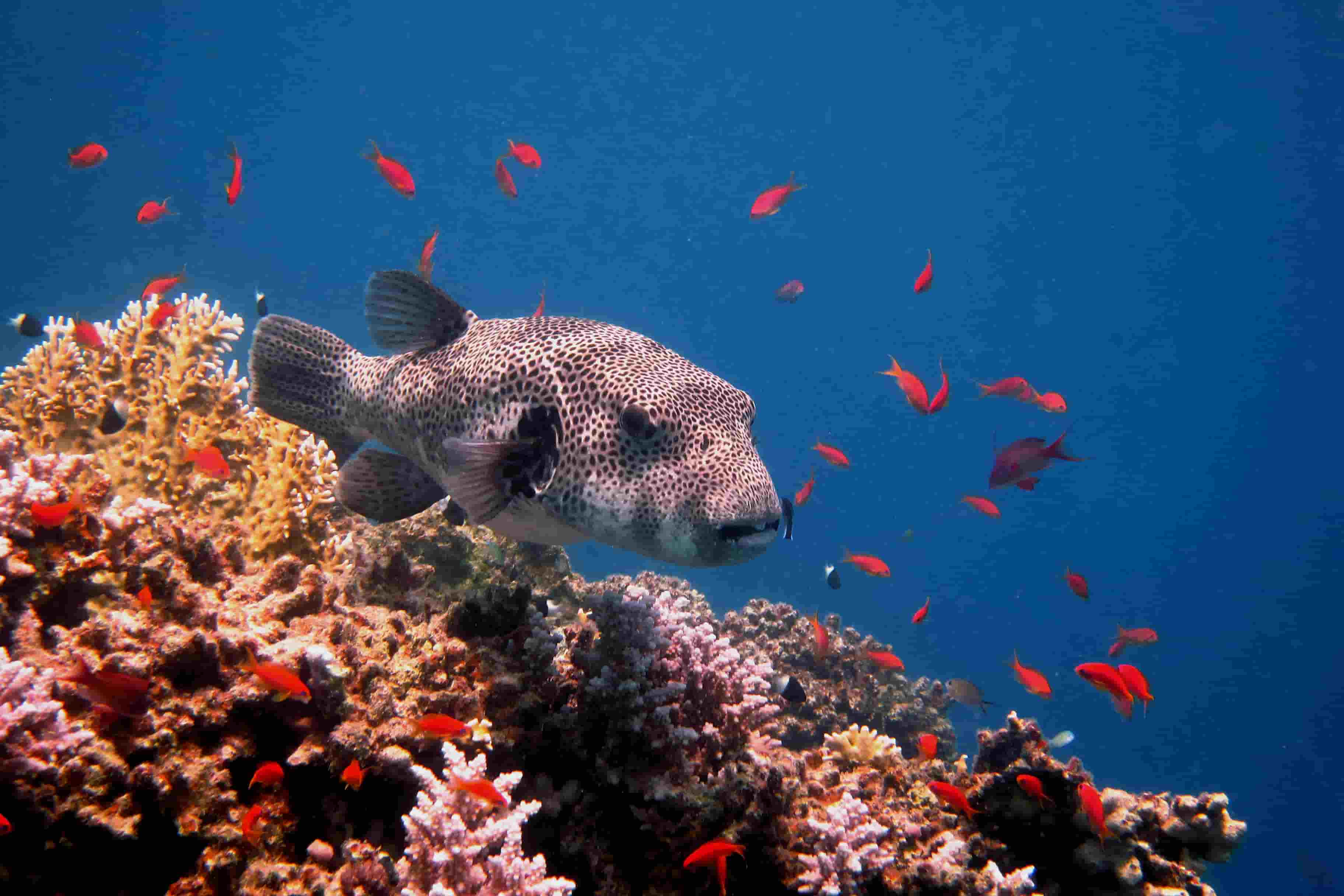
Finley has great defensive skills! When exposed and confronted with danger, the blowfish can consume significant amounts of water and inflate to an unappealing shape, preventing possible attacks.
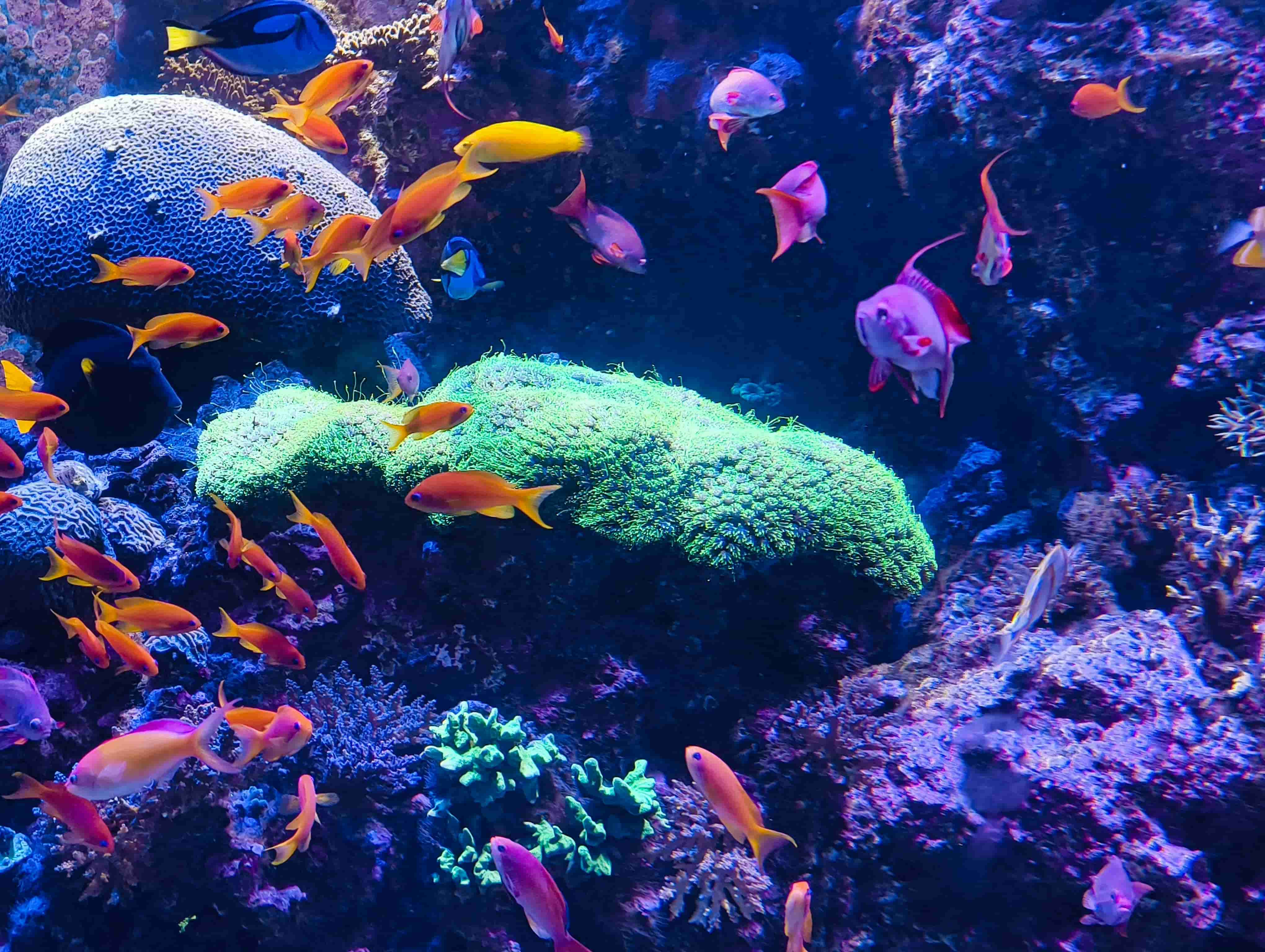
The concept of safety in numbers applies perfectly to fish that swim together! Large numbers of fish moving together create an optical illusion for predators, making it hard to target a single meal.
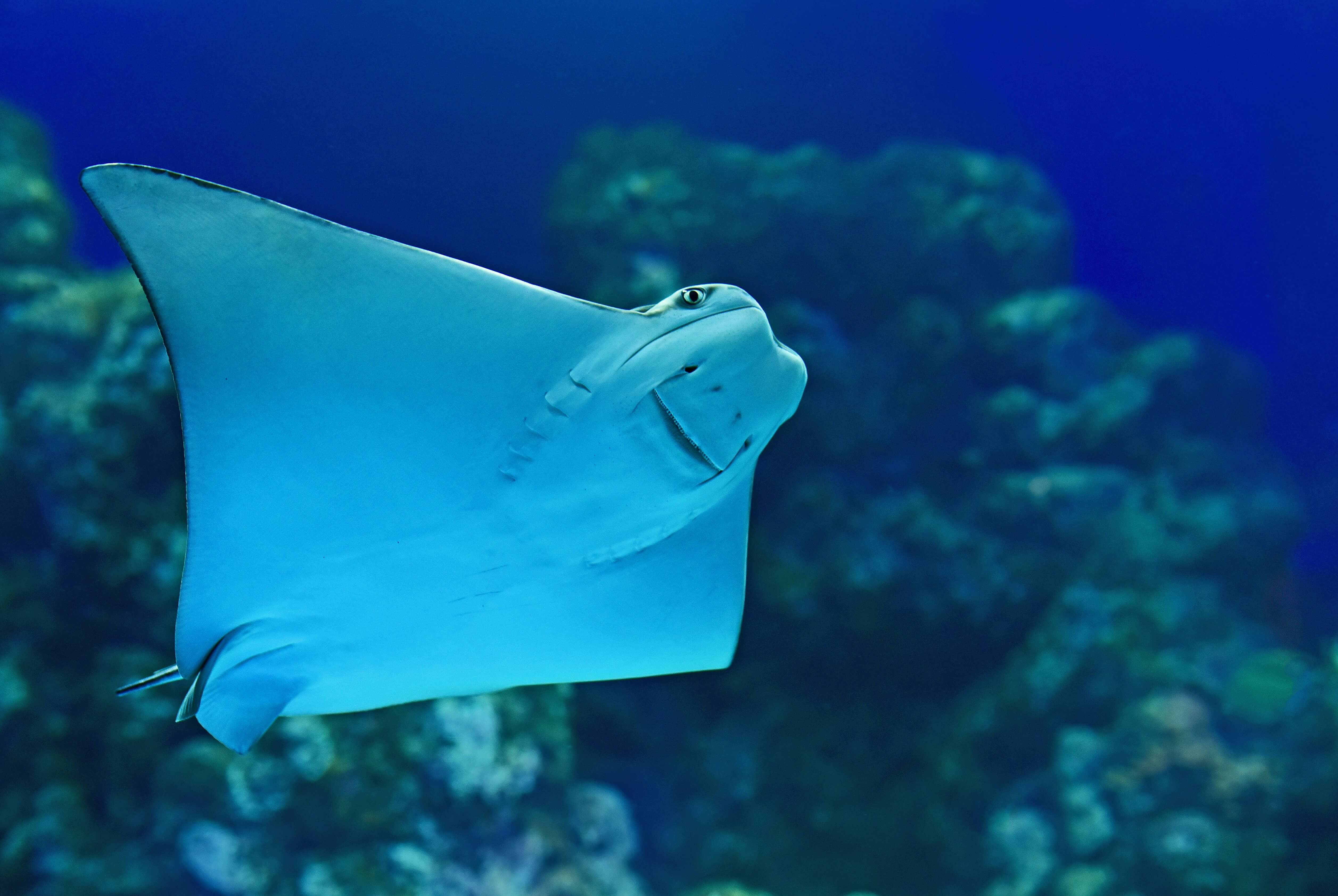
They are extremely social and migrate long distances in huge schools of several thousand individuals which are called 'fevers'. They glide effortlessly through the water thanks to their large pectoral fins.
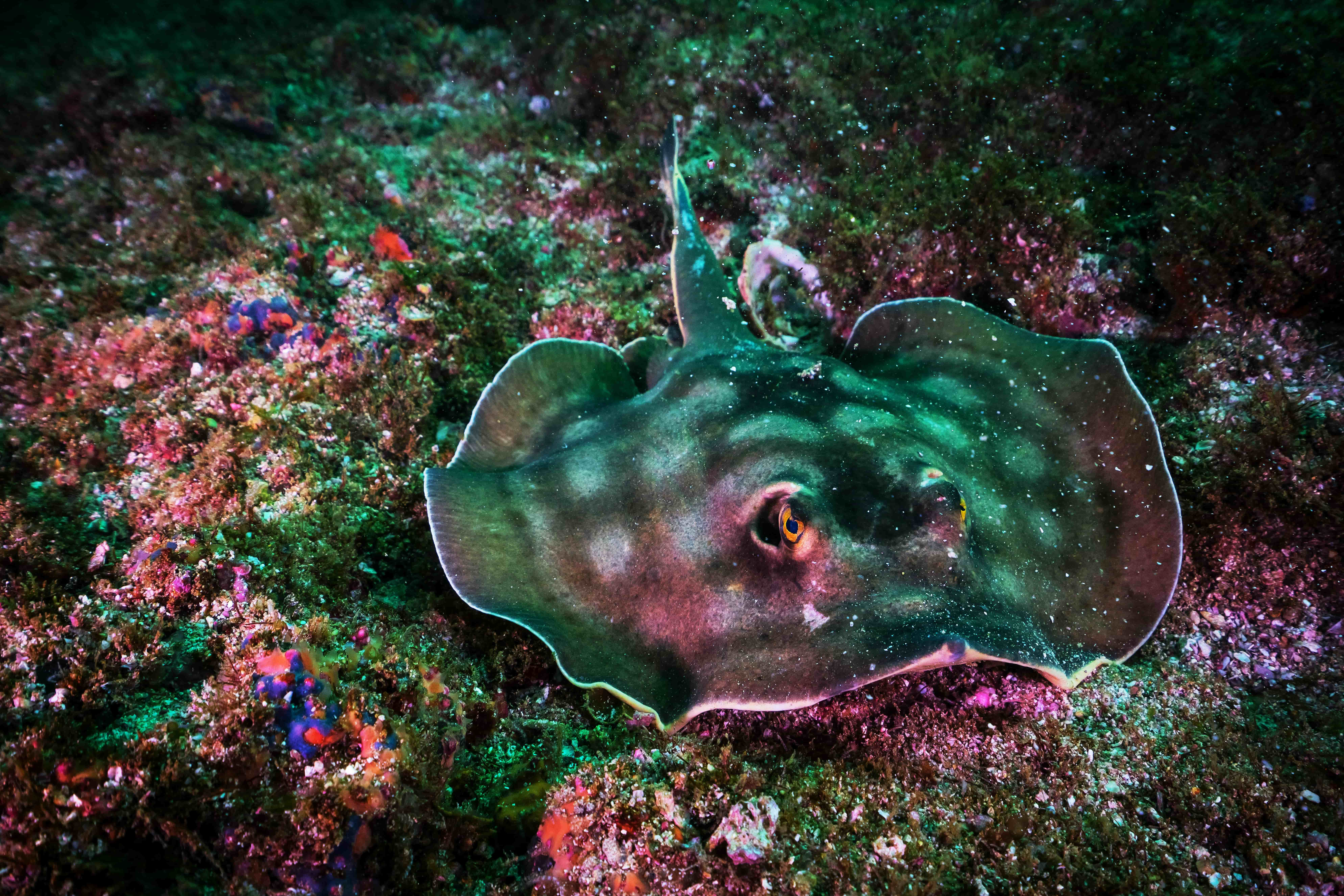
Manta rays do not have a poisonous barb on their tail like sting rays have; instead, they are very gentle creatures that filter feed by swimming with their mouths wide open to catch tiny particles of plankton found in the pelagic zone.
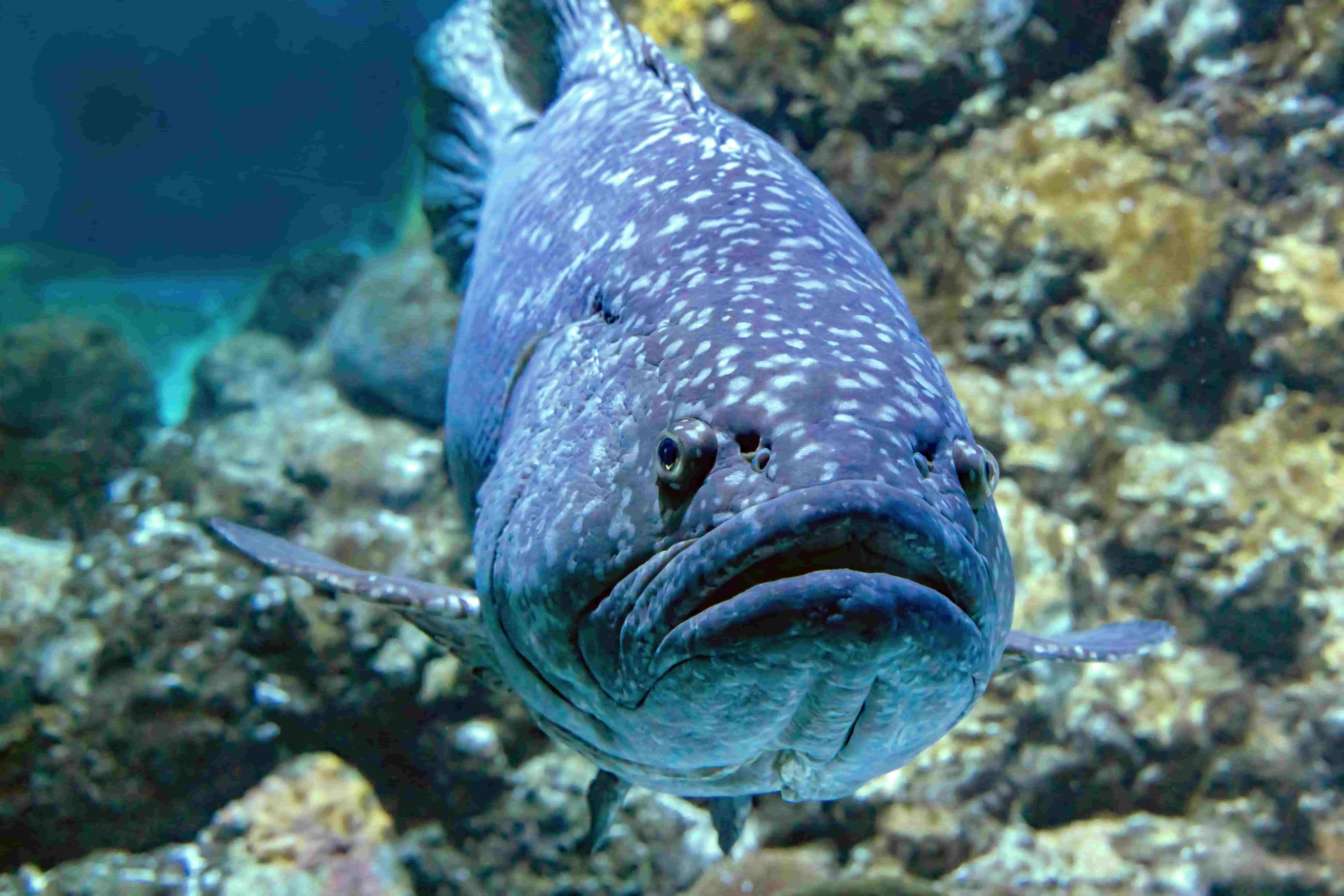
This gigantic grouper is one of the biggest bony fish on the planet at upwards of 800 pounds or even more! They generally tend to stay close to wrecks and will actively patrol the open ocean in search of larger sources of food.
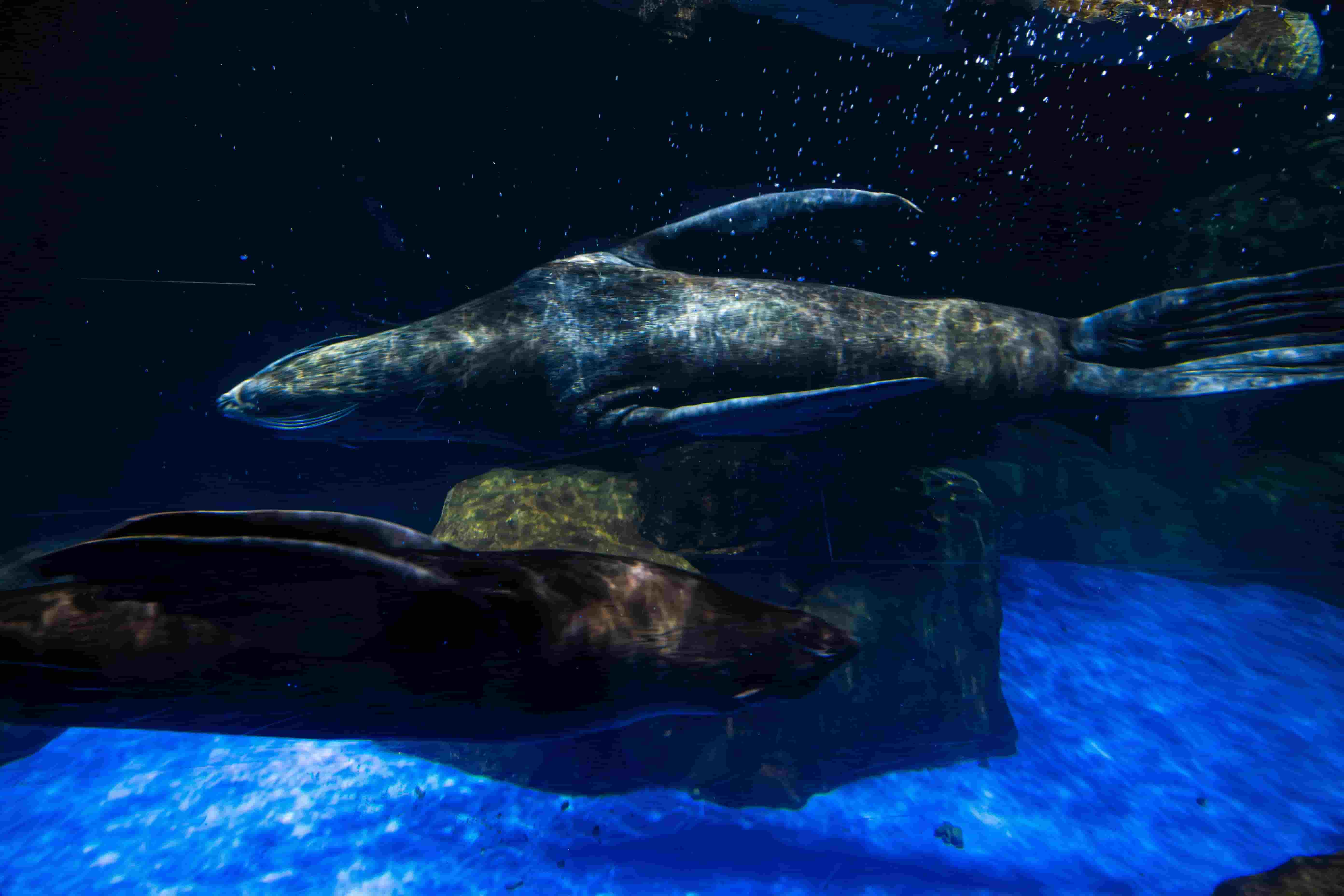
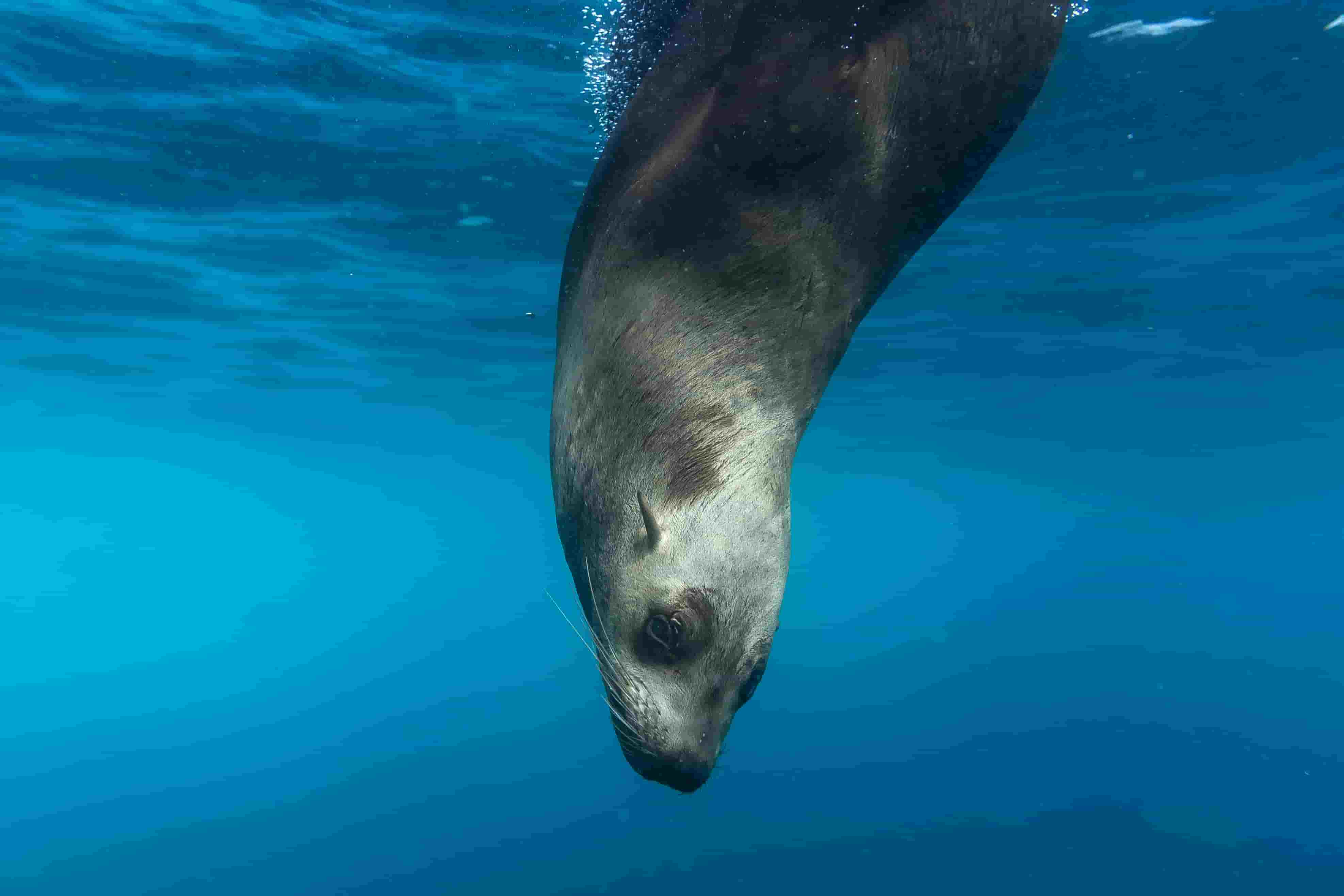
Sea Lions are sociable animals which typically form large colonies to interact. They do communicate with one another (through loud barks, honks and roars), they can be heard as they play within close proximity of each other & as their sounds echo off the surface of the ocean.
Sea lions are very bright and great fun to watch. They move around quickly and are acrobatic by nature. Because of their agility, they can find prey such as squid and small schooling fish with great ease.
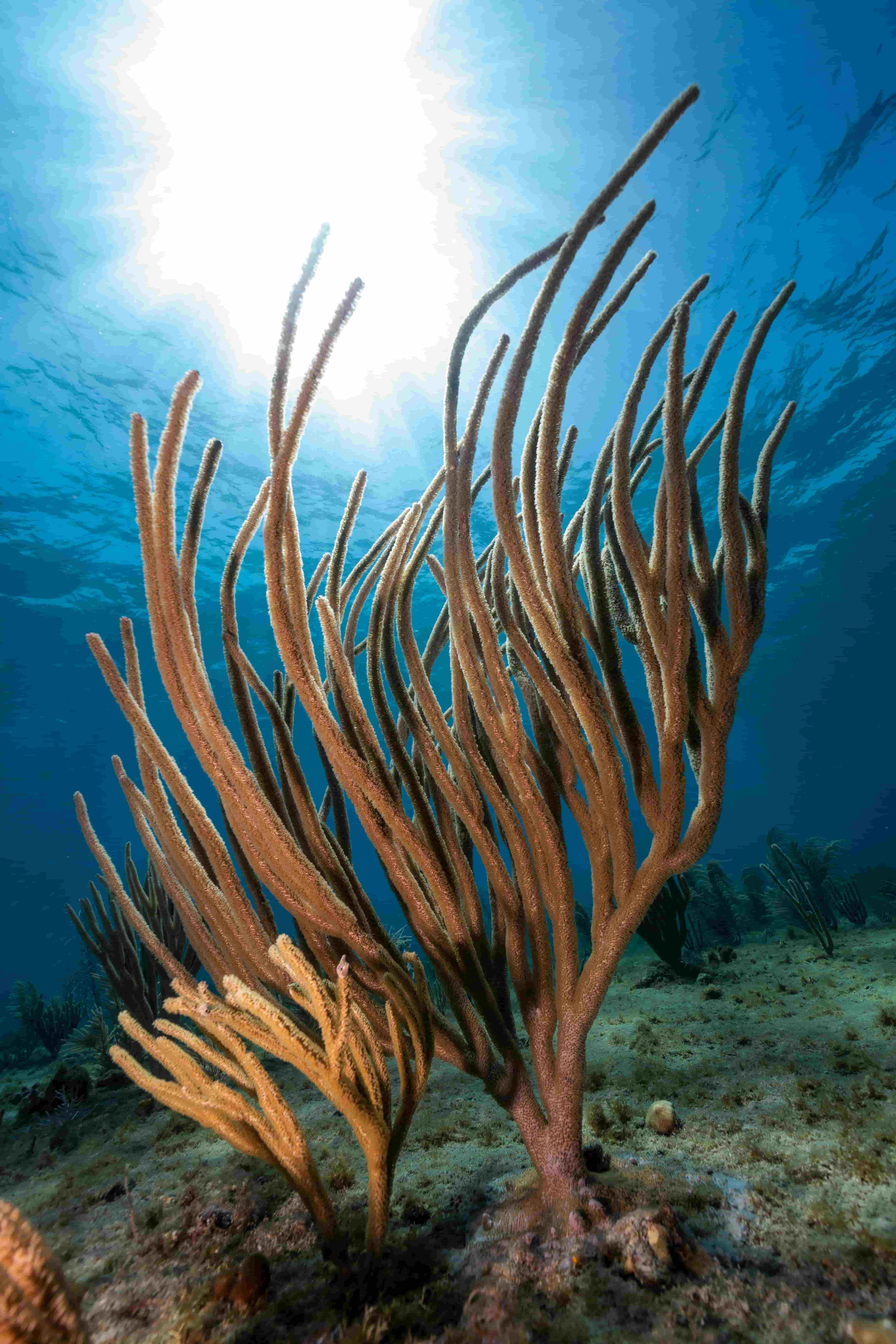
These massive submerged forests are very important because they provide shelter and food for thousands of species in the open ocean. Kelp is capable of growing as much as 18 inches per day by growing toward the sun.