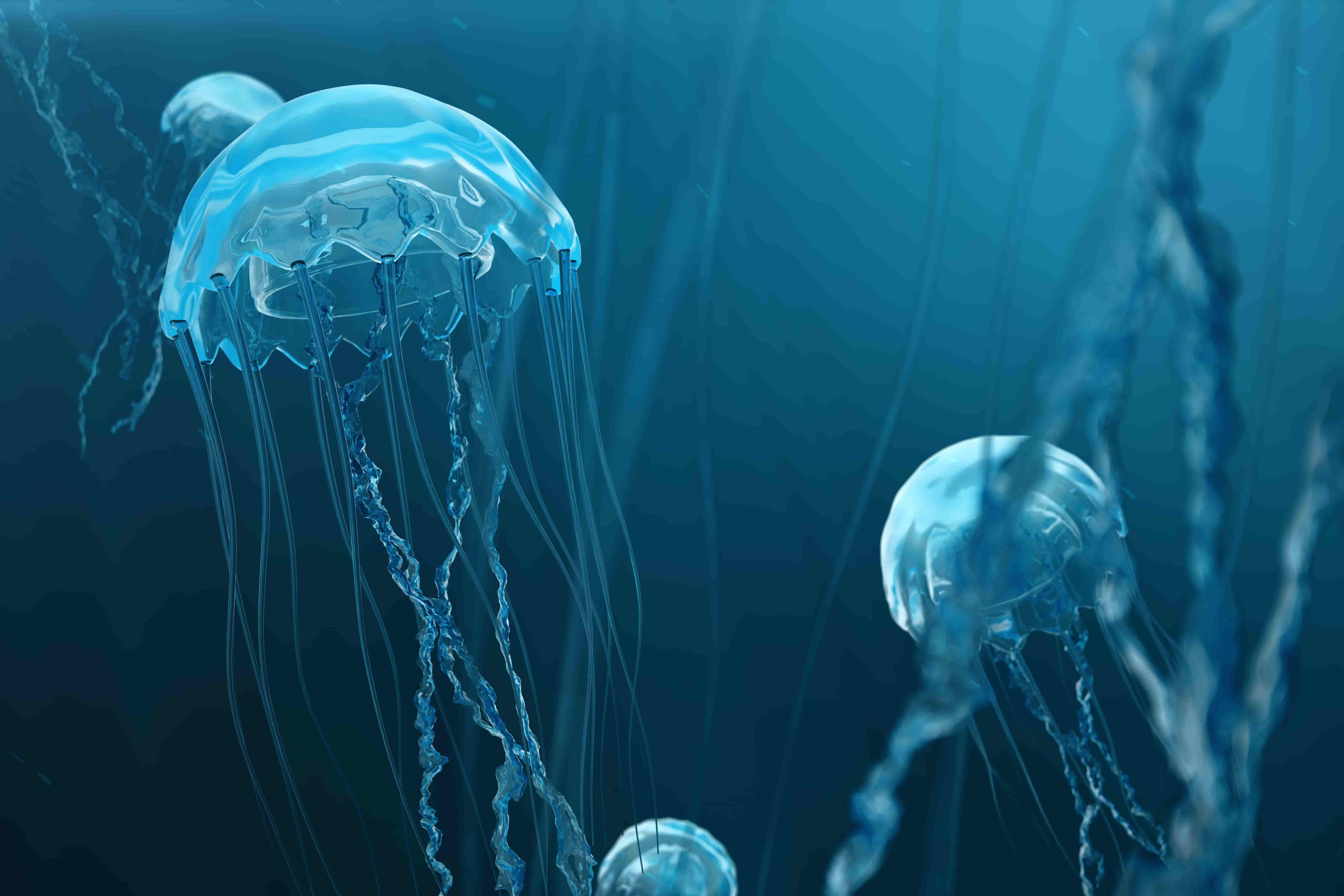
Welcome to our extensive database containing a diversity of species with our featured species. Explore their food source, habitat and conservation status.
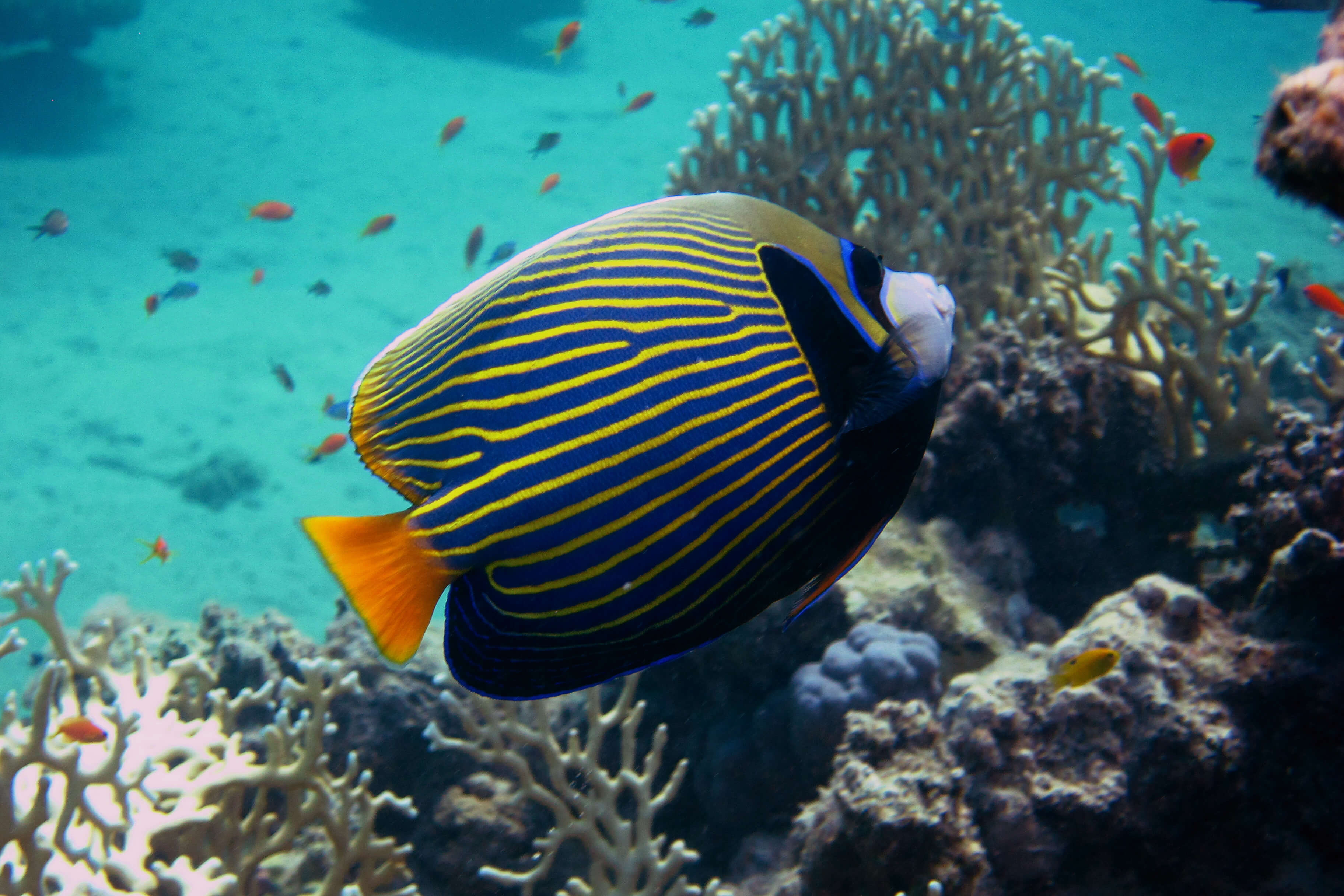
Diet: Sponges and algae
You can recognize this species by their bright vibrant blue and yellow striping, however, they communicate using loud clicking and deep frequency sounds.
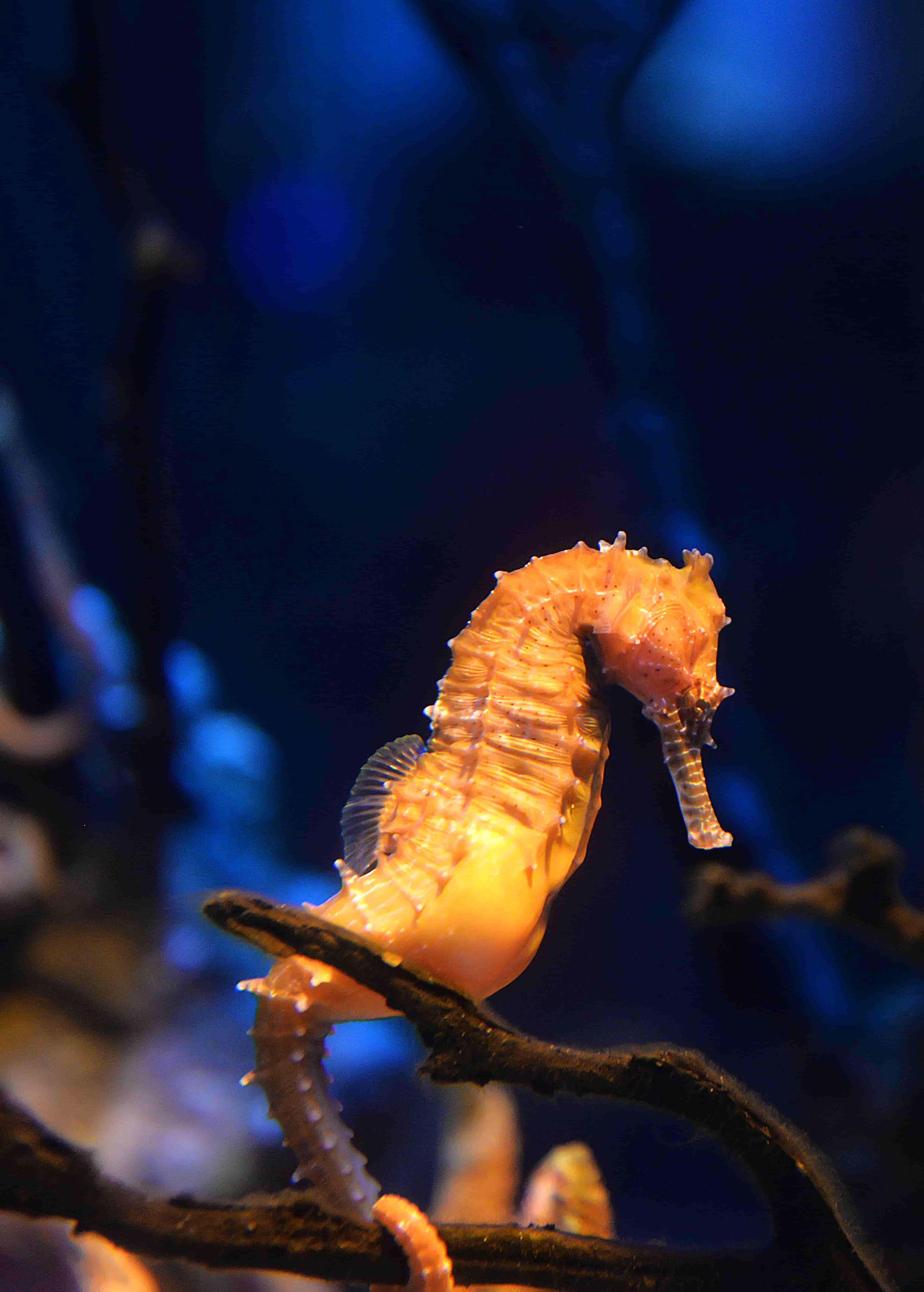
Diet: Small crustaceans
Camouflage specialists, both carrying and birthing the young of the species.
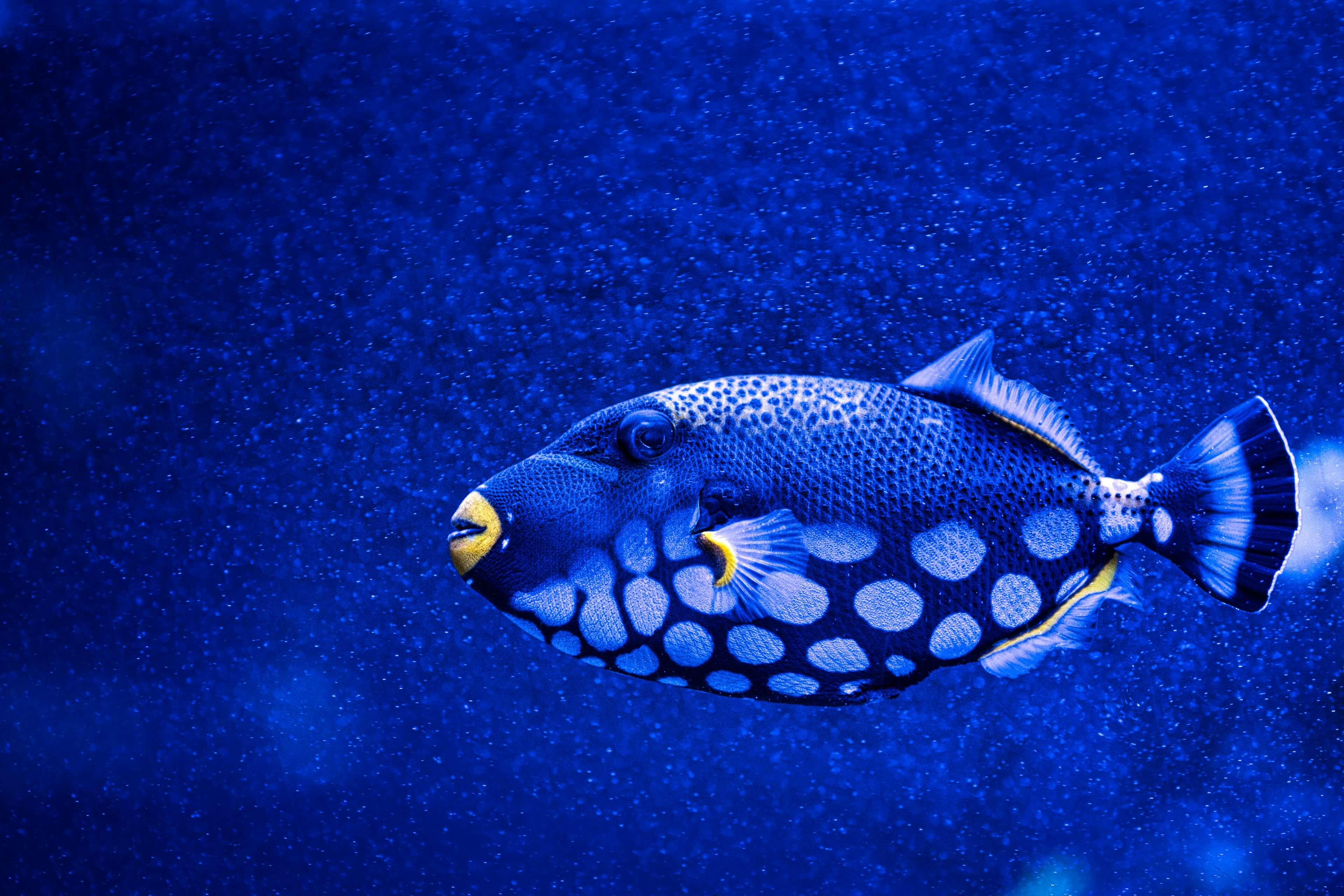
Diet: Crustaceans and mollusks
Their bold patterns means they fiercely defend their territory on the coral reef.
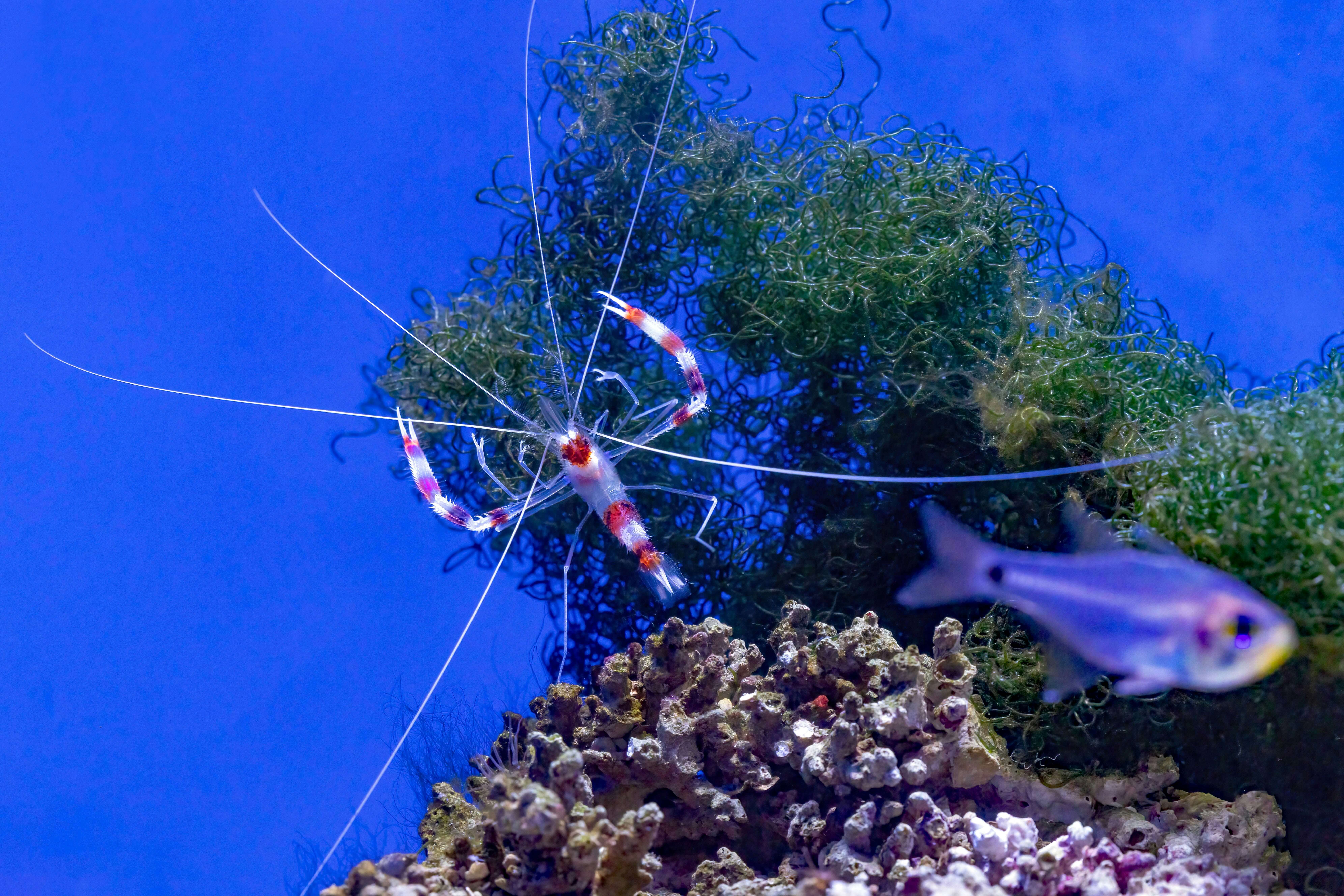
Diet: Parasites and dead tissue
Classified as a cleaner species because they remove harmful parasites from larger reef fish.

Diet: Small fish
Very attractive yet quite lethal, with maroon-coloured bands, these fish possess dorsals that are highly poisoned.
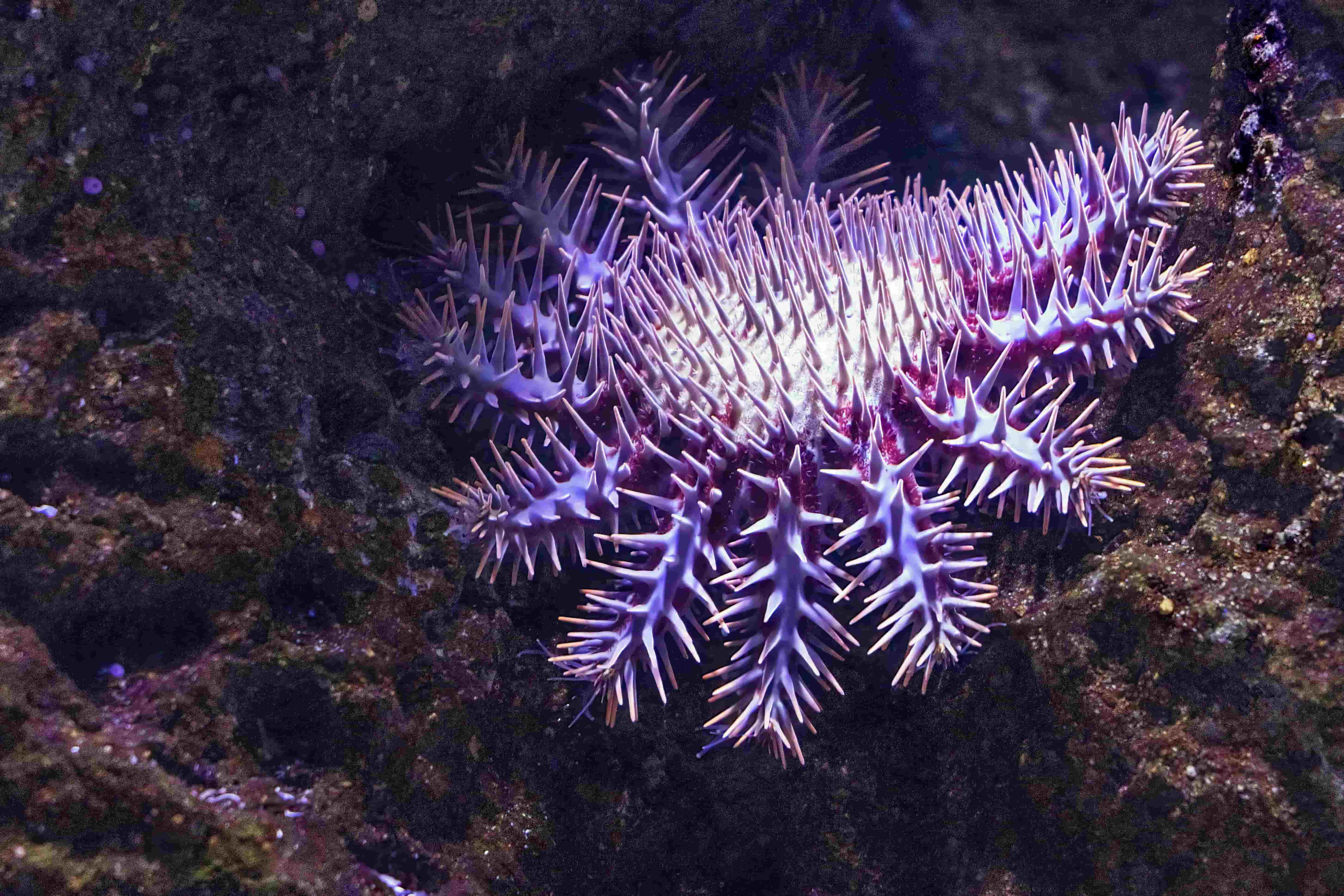
Diet: Coral polyps
The well known to be highly poisonous spined star fish is a large predator of live coral in warm water ecosystems.
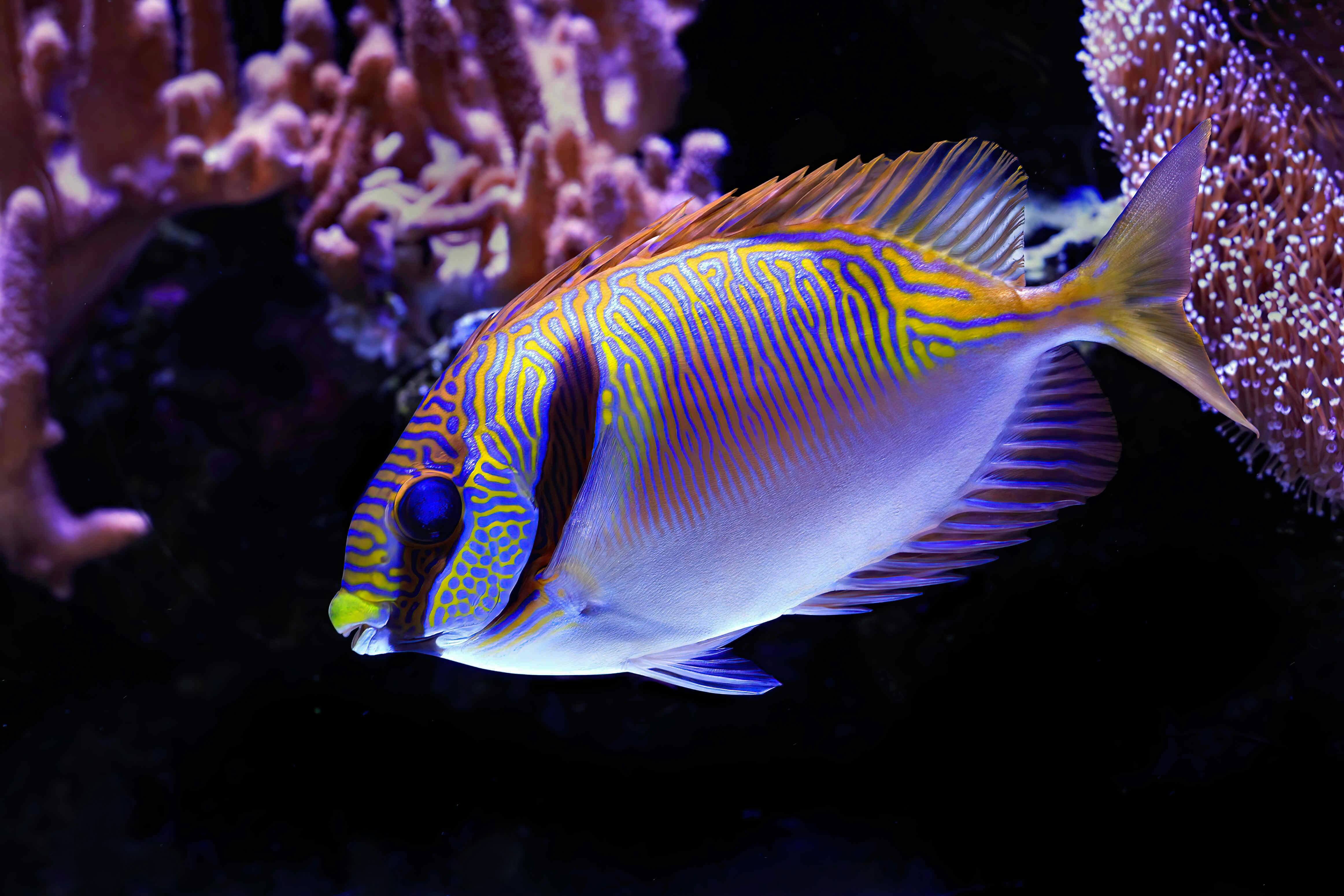
Diet: Algae
Herbivorous grazers who control the amount of rapid growing algae on the coral reef to keep the corals free of smothering algae.
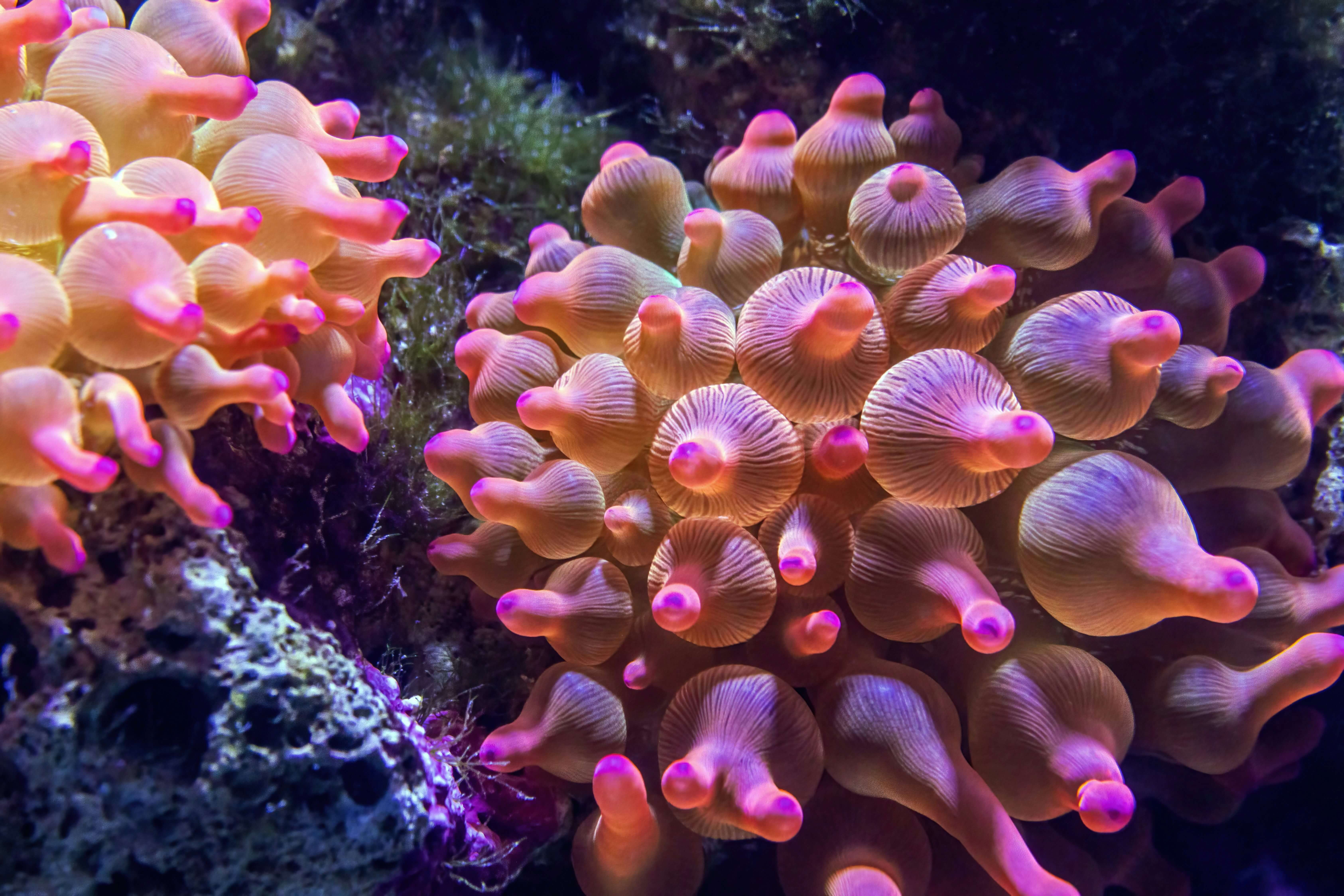
Diet: Plankton & small fish
Provides a safe environment for clownfish by providing them a venomous home through a mutualistic relationship between them.
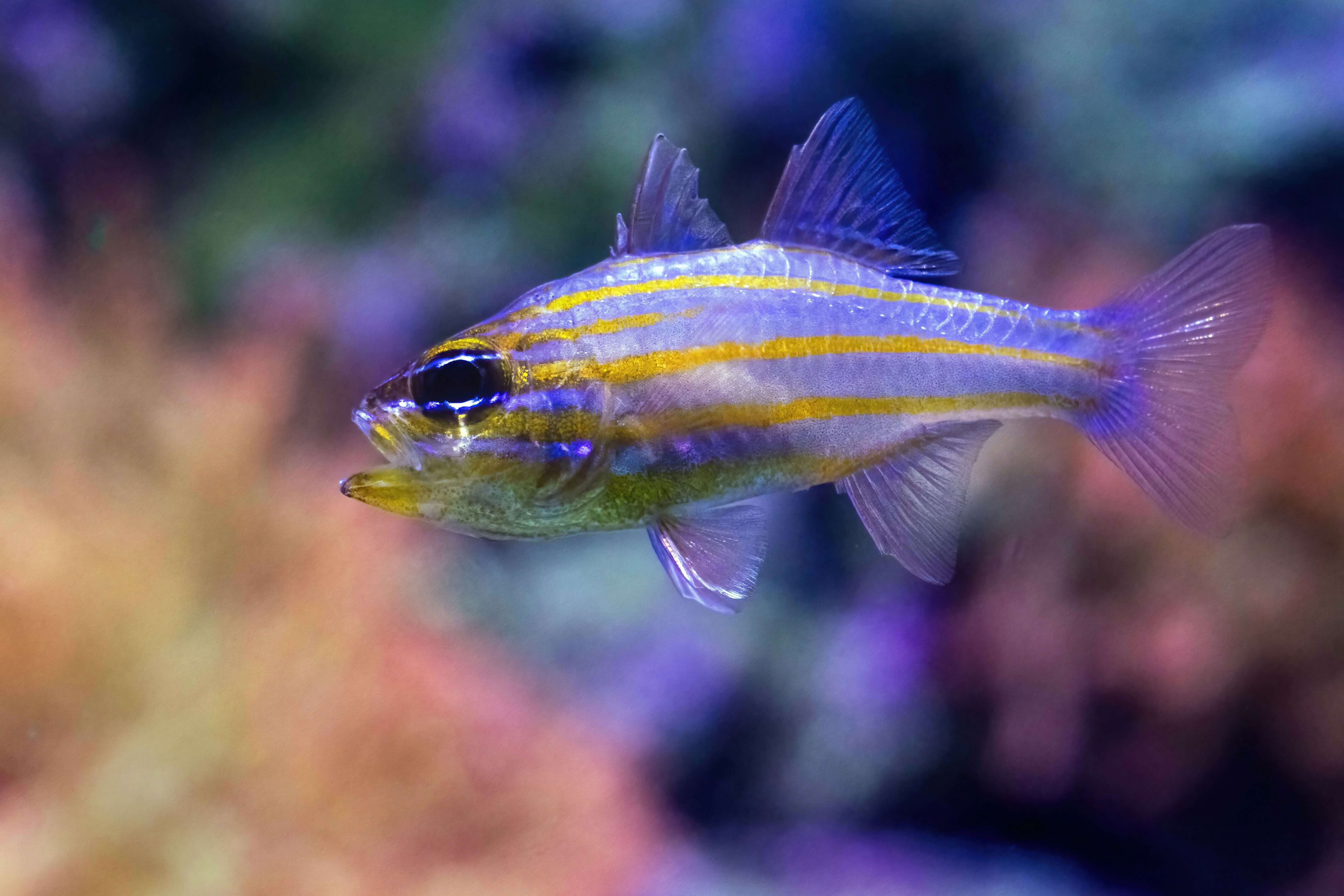
Diet: Zooplankton
The only male mouth brooders in the phylum of cartilaginous fishes. When the male fertilizes his own eggs, he keeps them in his mouth until they hatch.
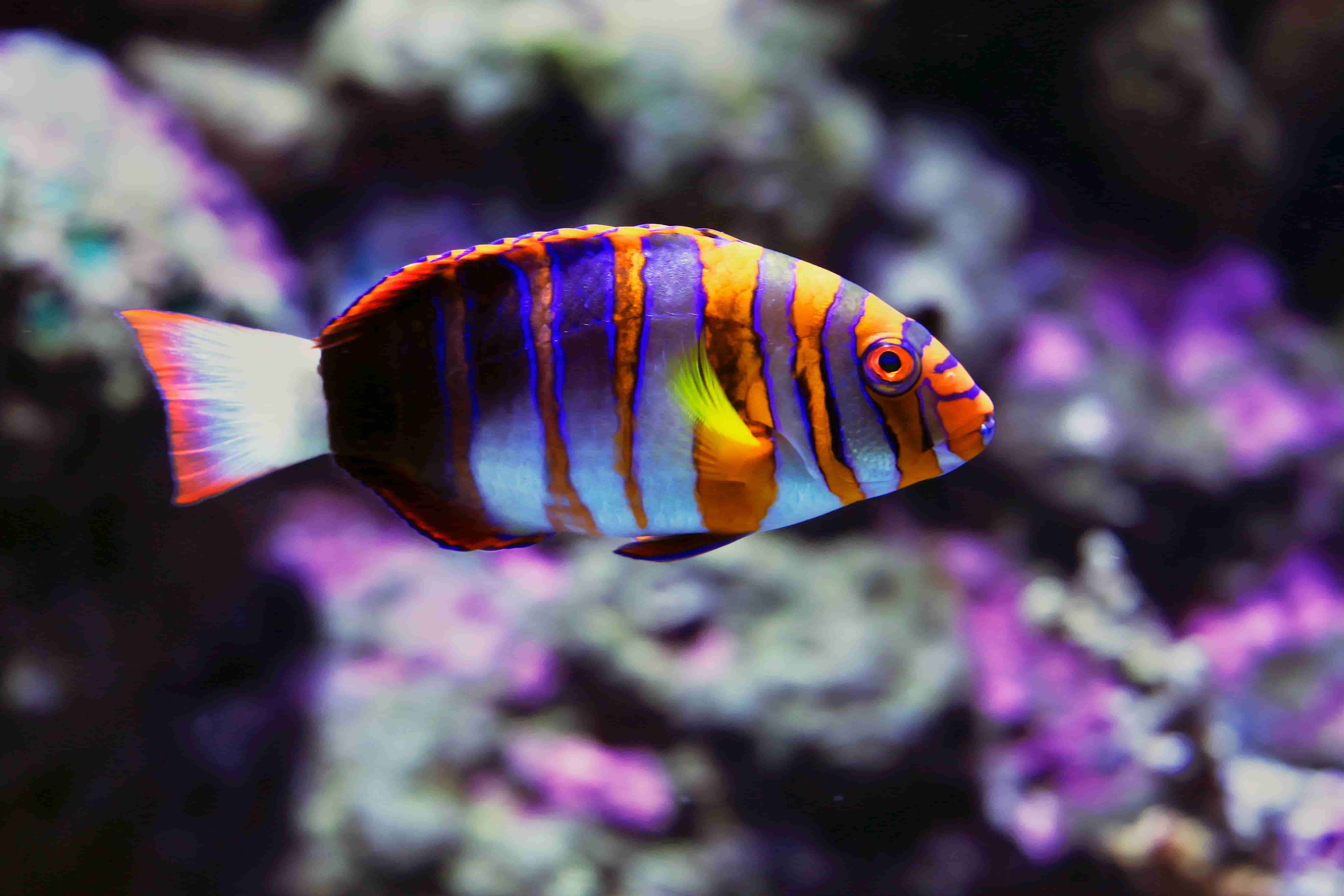
Diet: Hard-shelled invertebrates
The blue tooth shaped teeth are able to crush crabs and sea urchins hidden in the reef.
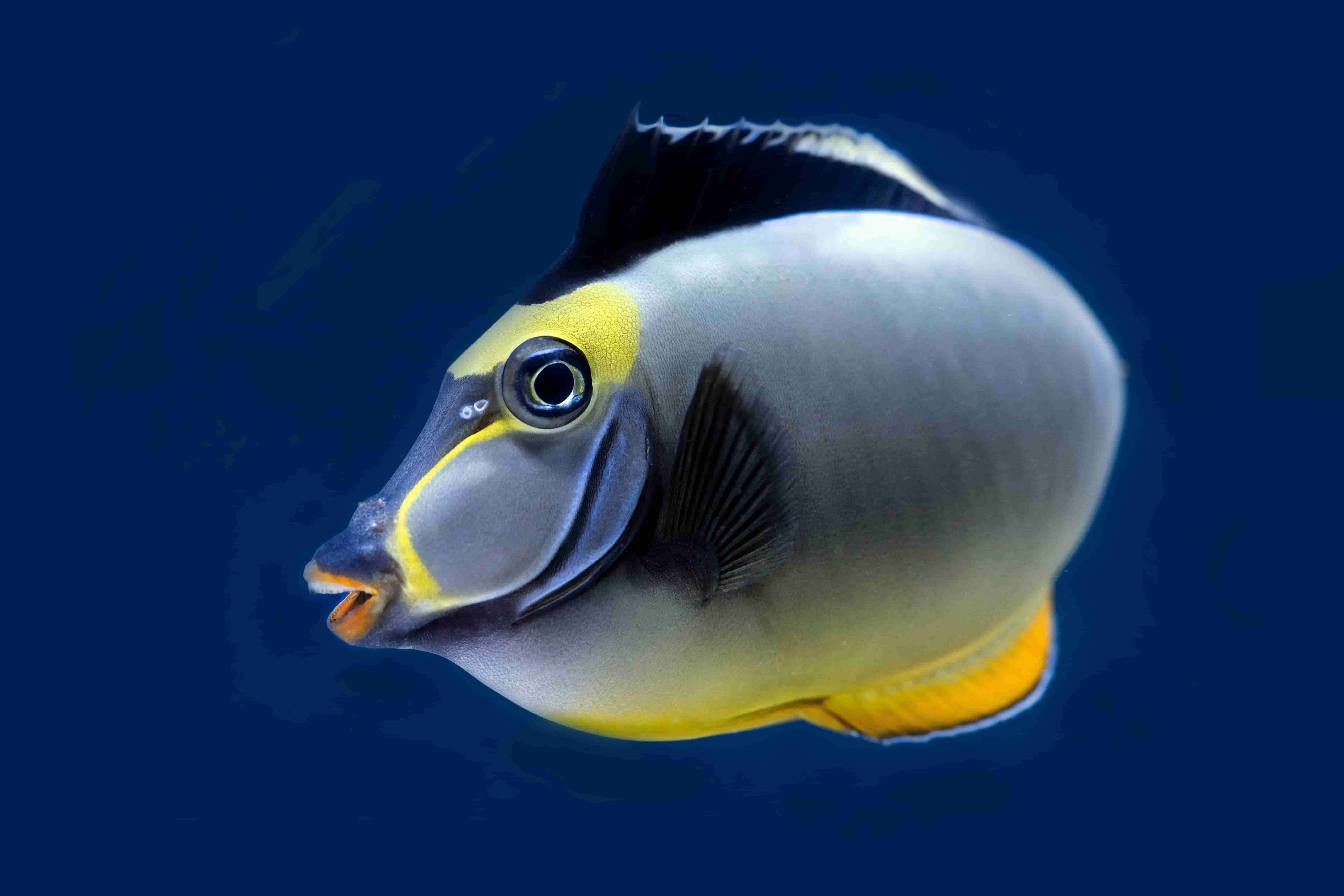
Diet: Algae
A species of fish that derives its name from their unique orange colored mouths and have defensive spines along their caudal (tail) area.
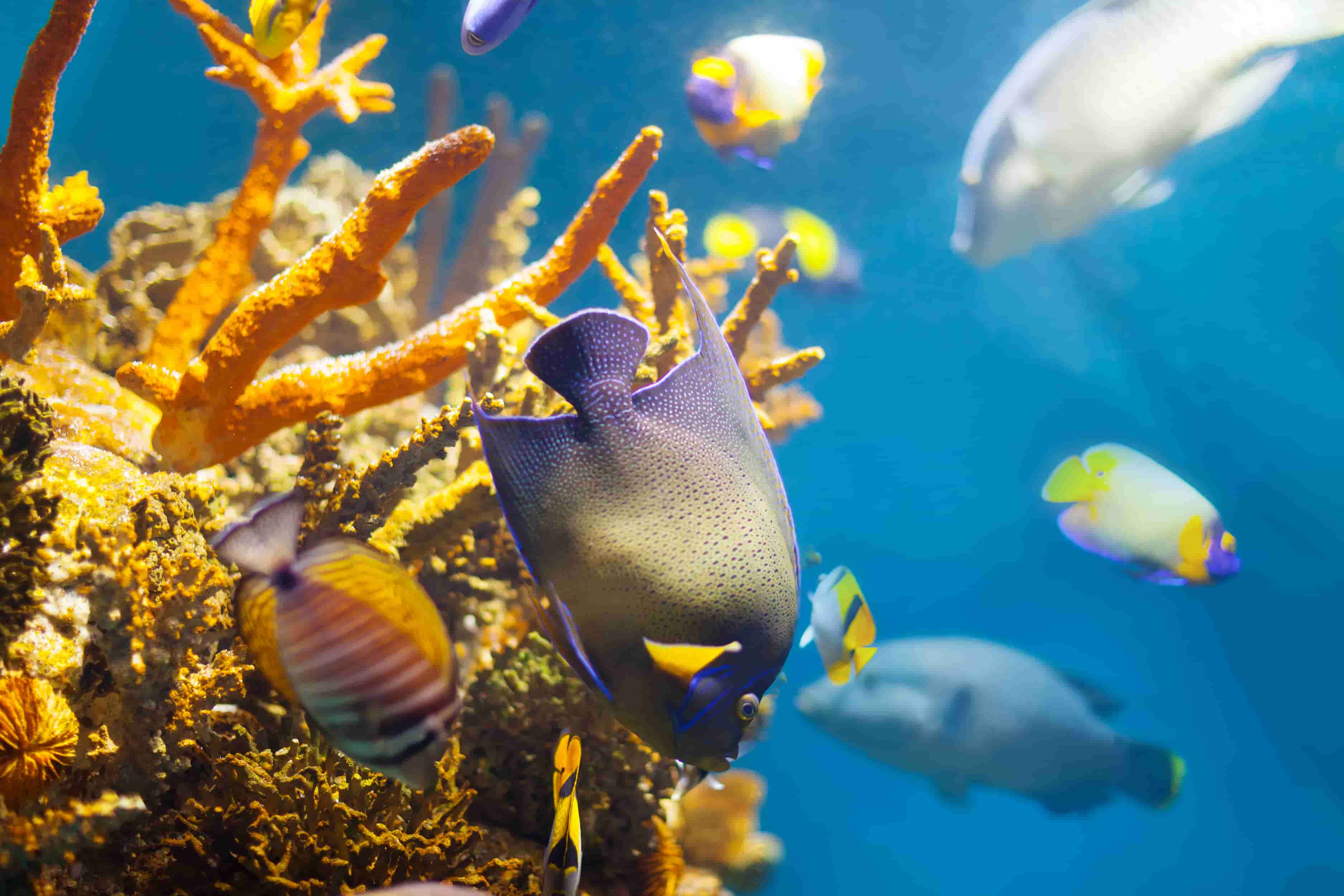
Diet: Algae from coral
Scraping coral with its beak-like mouth has contributed greatly to making white sand found on many tropical beaches.
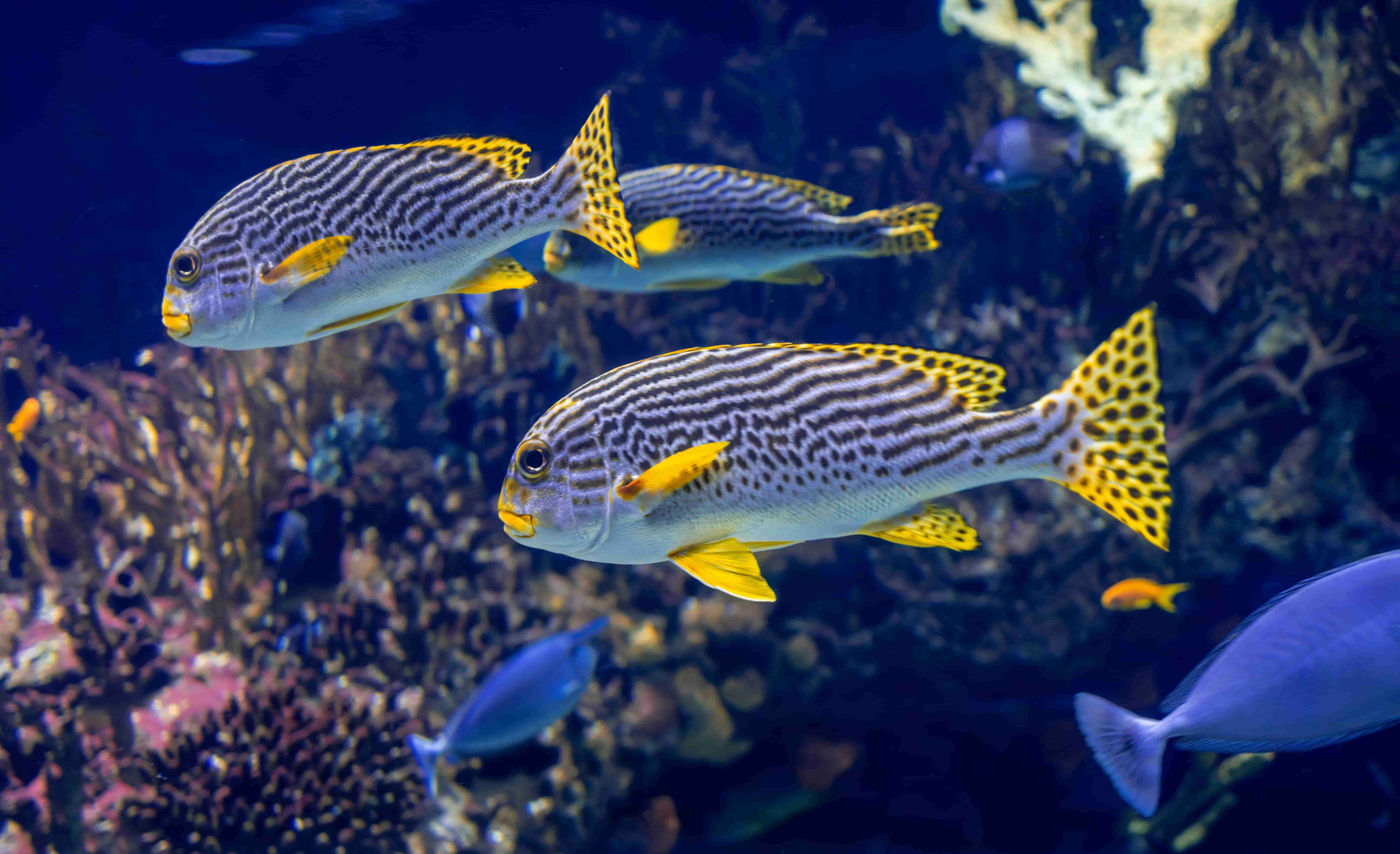
Diet: Benthic invertebrates
Adult fish are also known for their strong, large lips and will often gather together in schools along the edges of reefs.
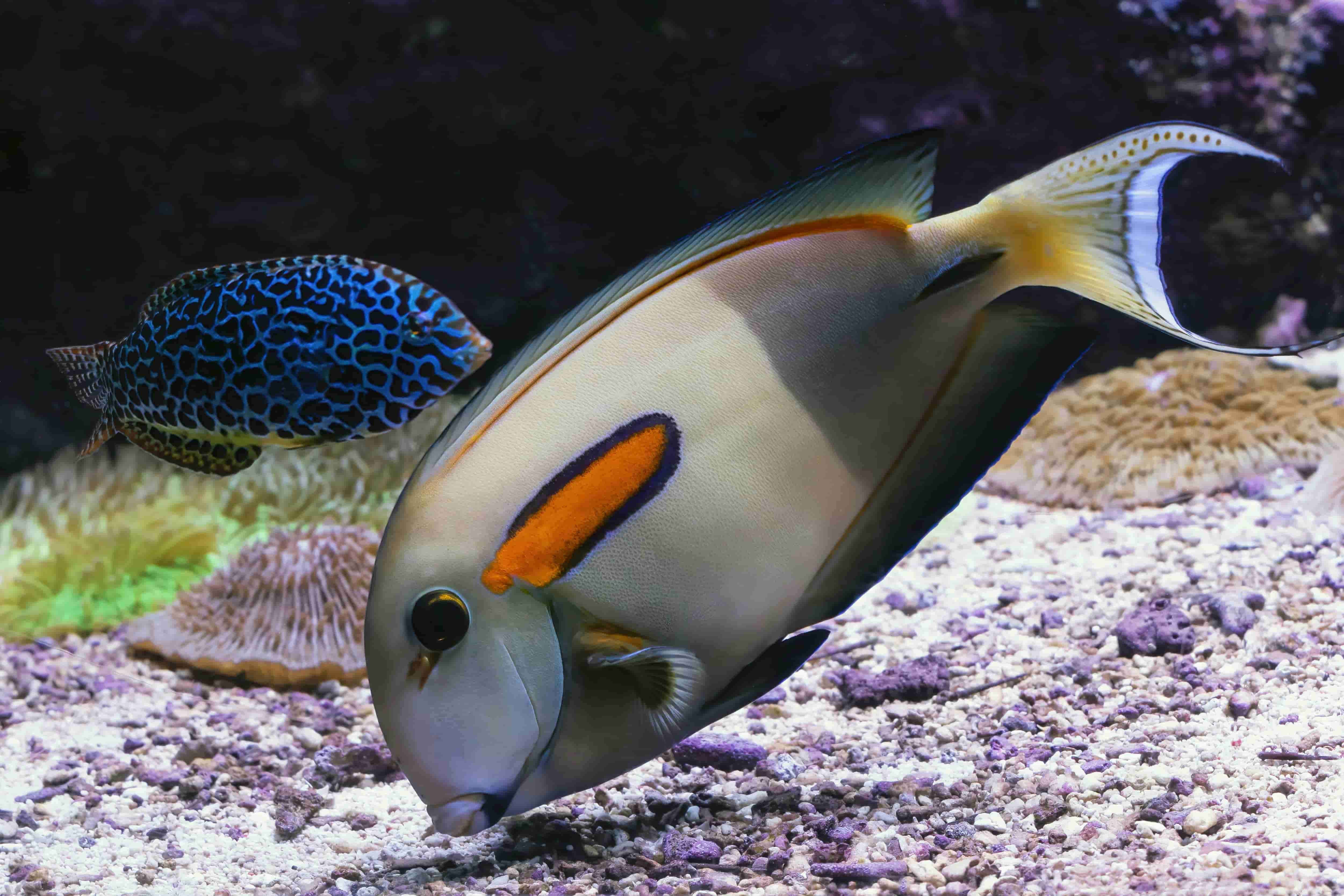
Diet: Algae
A fast swimmer capable of darting around the reef and using dappled light to camouflage itself from predators.
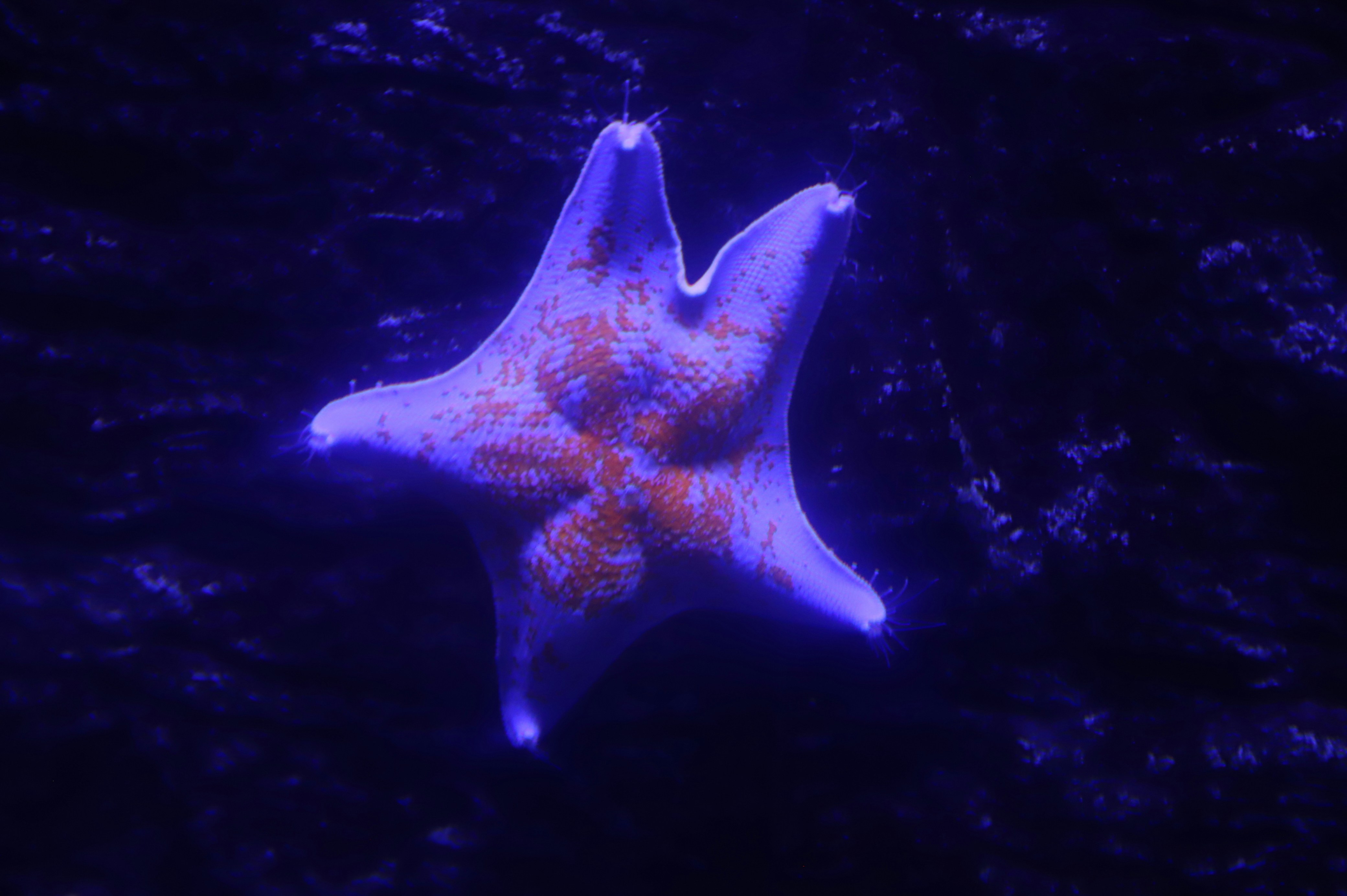
Diet: Bivalves and snails
Remarkably, the fish can regenerate lost limbs after being injured by a predator.
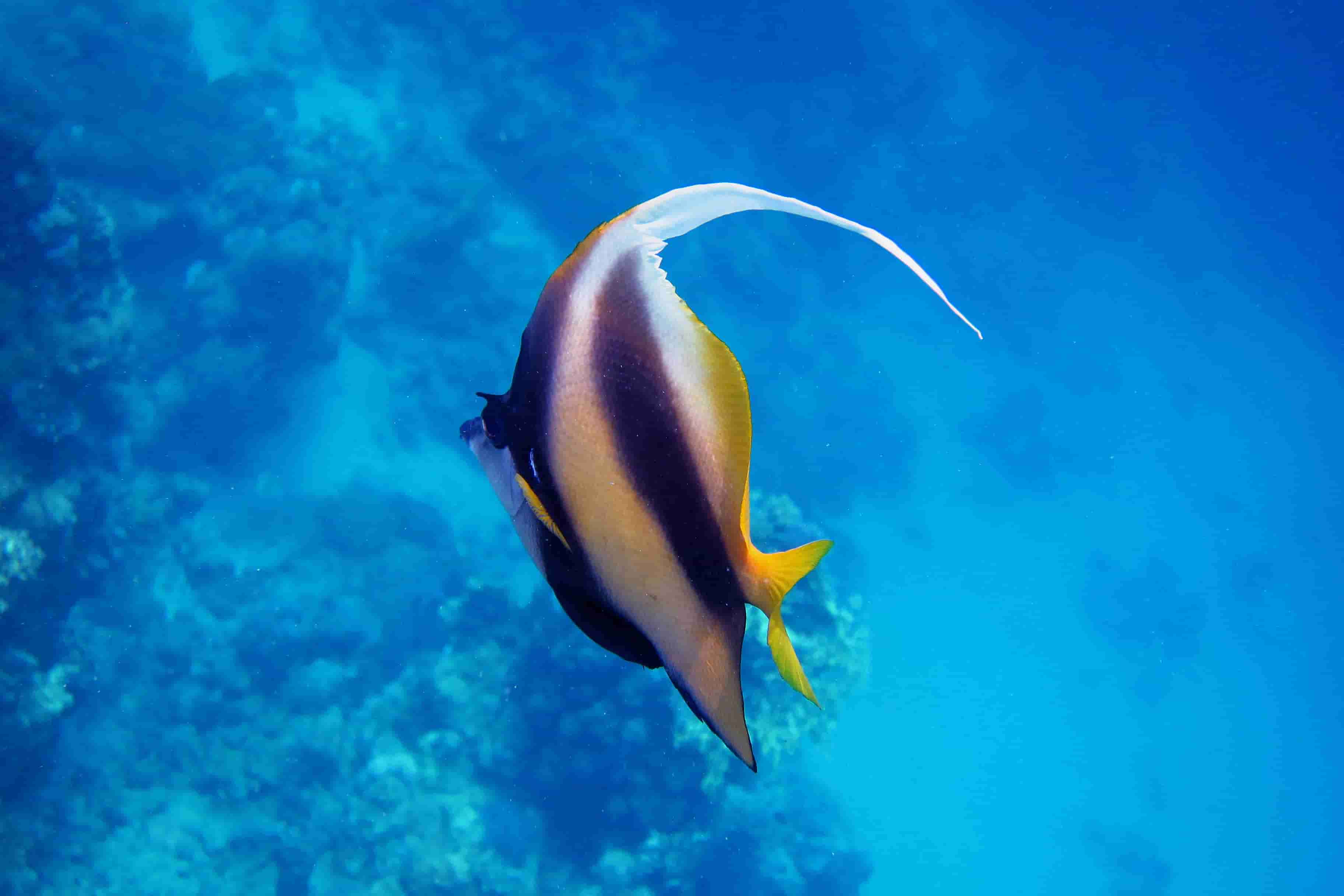
Diet: Zooplankton
Recognizable by a long, trailing white filament that extends from the dorsal fin.
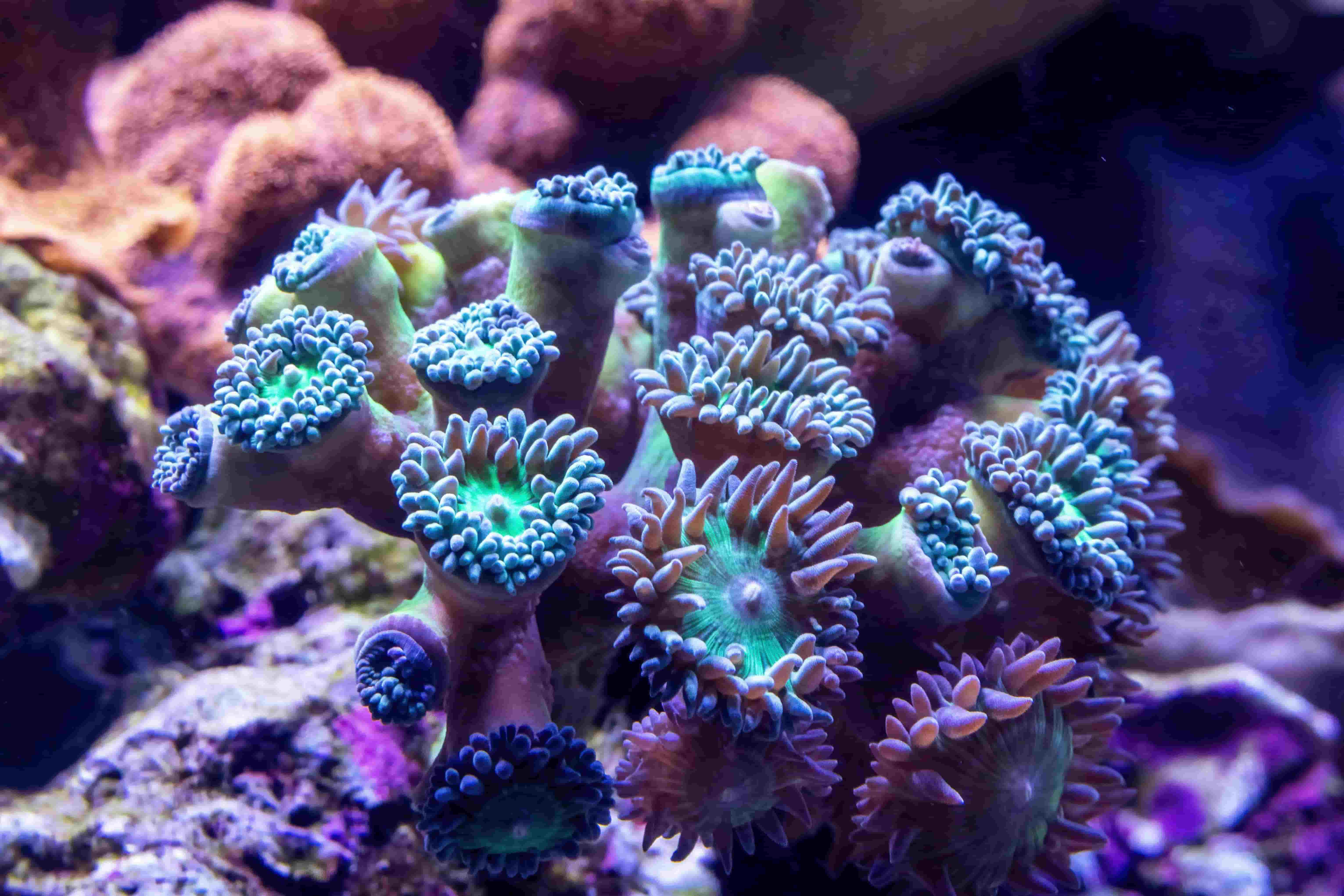
Diet: Plankton
A marine animal resembling vegetation, has unique appendages that contain venom and, therefore, act as a predator.
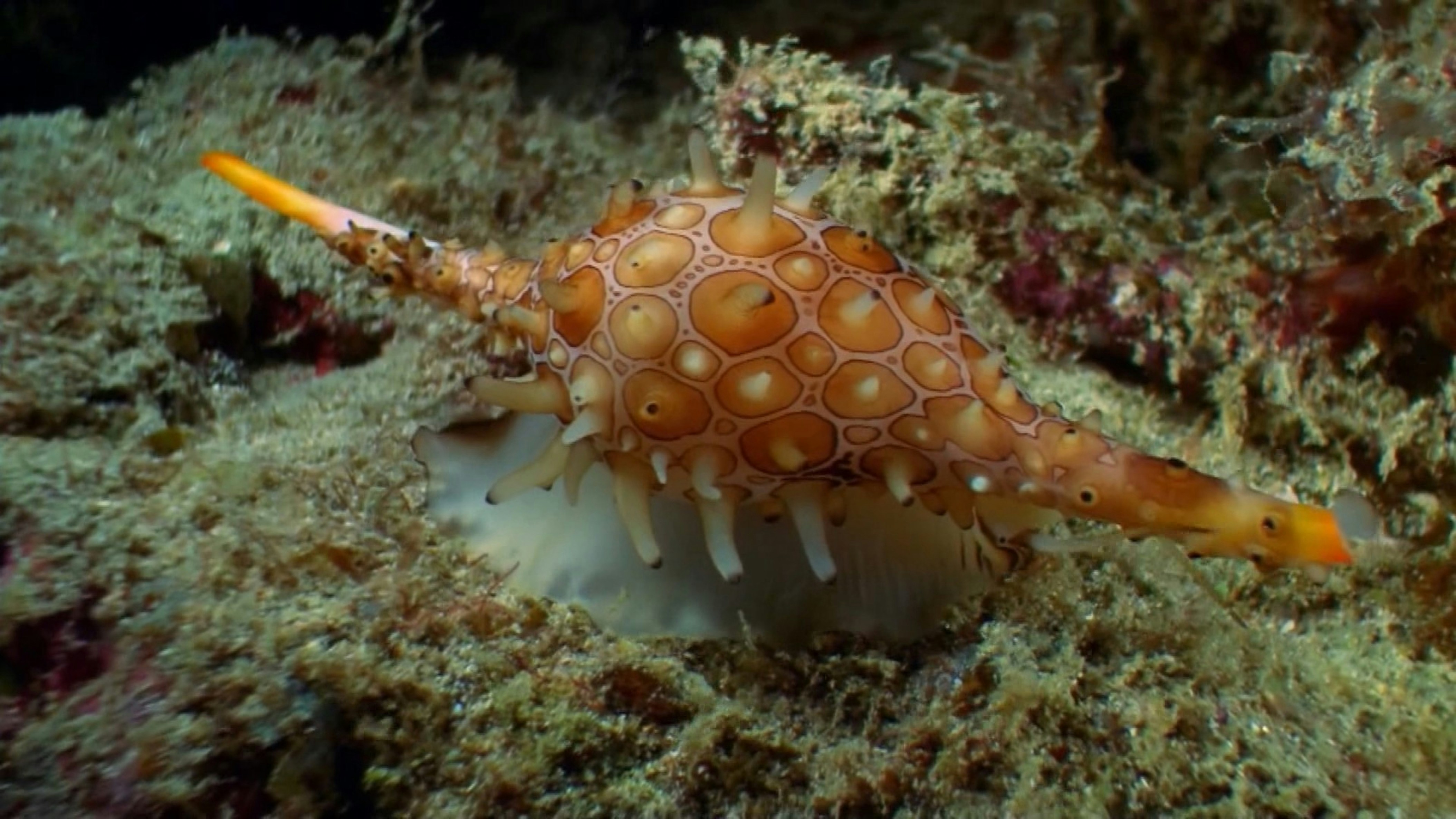
Diet: Algae
Eats algae, uses specialized mouth (Aristotle's lantern) to scrape algae from rocks.
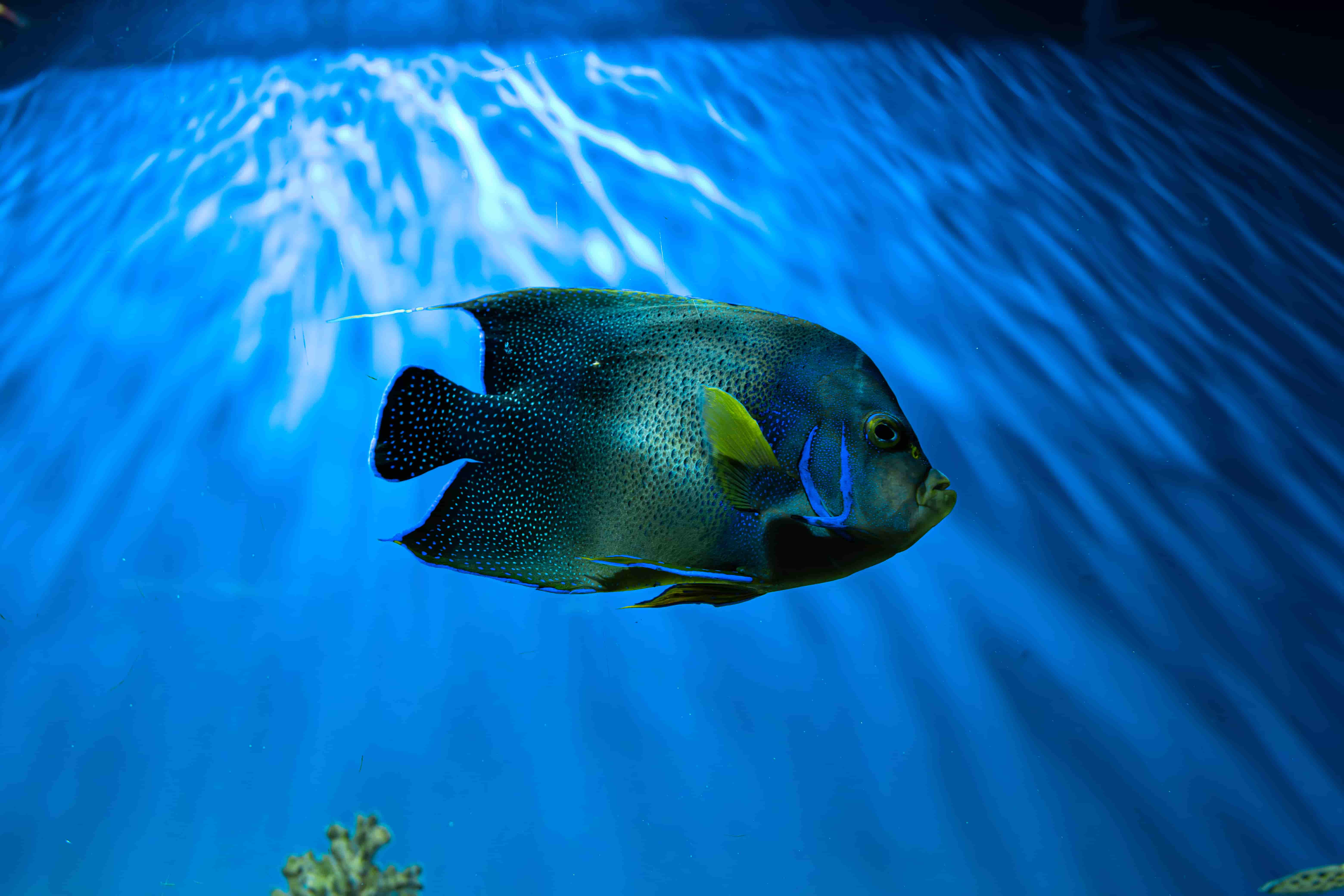
Diet: Sponges and tunicates
Gets its name from semicircle-shaped white lines covering its body as a juvenile.
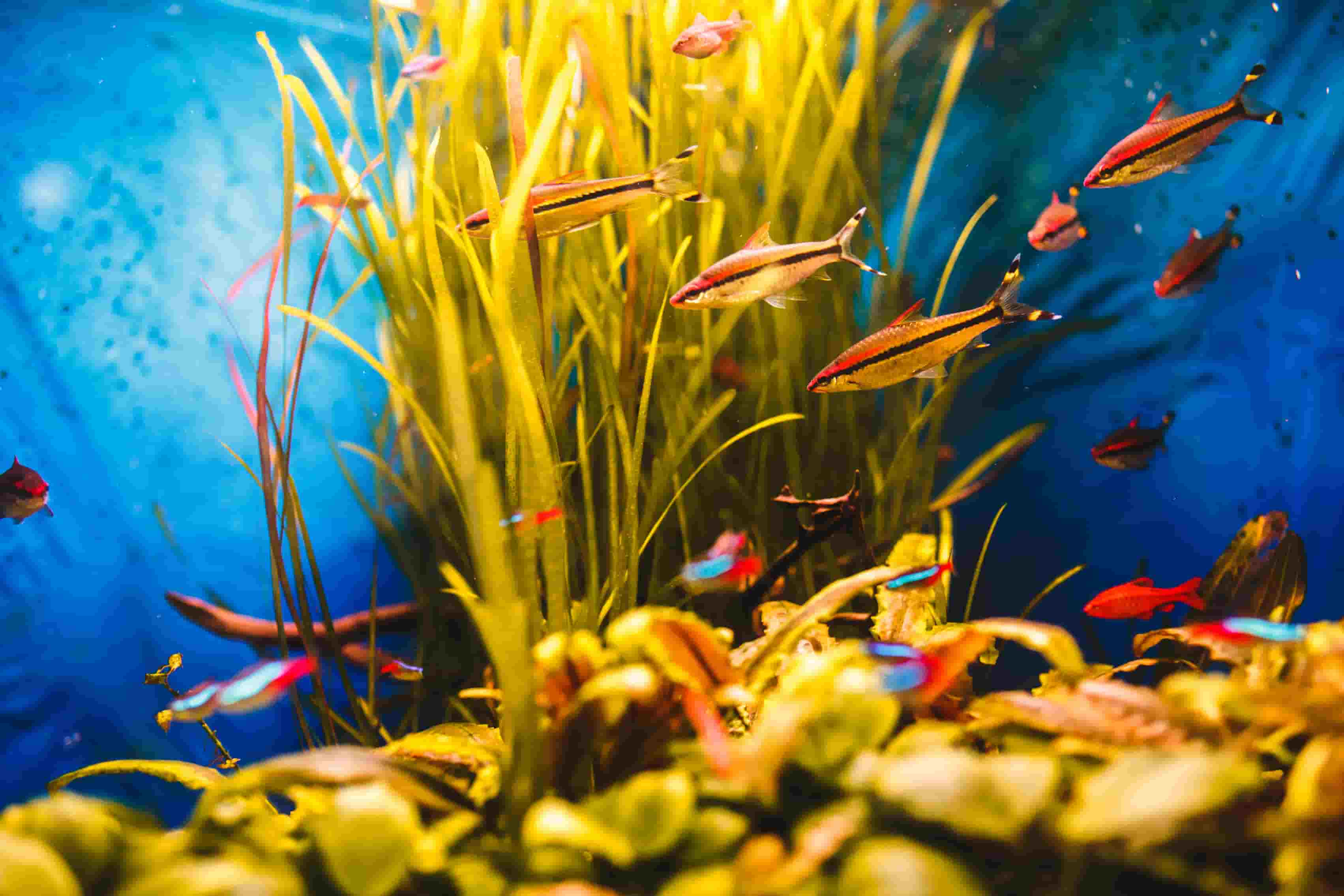
Diet: Zooplankton
All are females when born; if a dominant male dies, a large female will change sexes to fill that role.
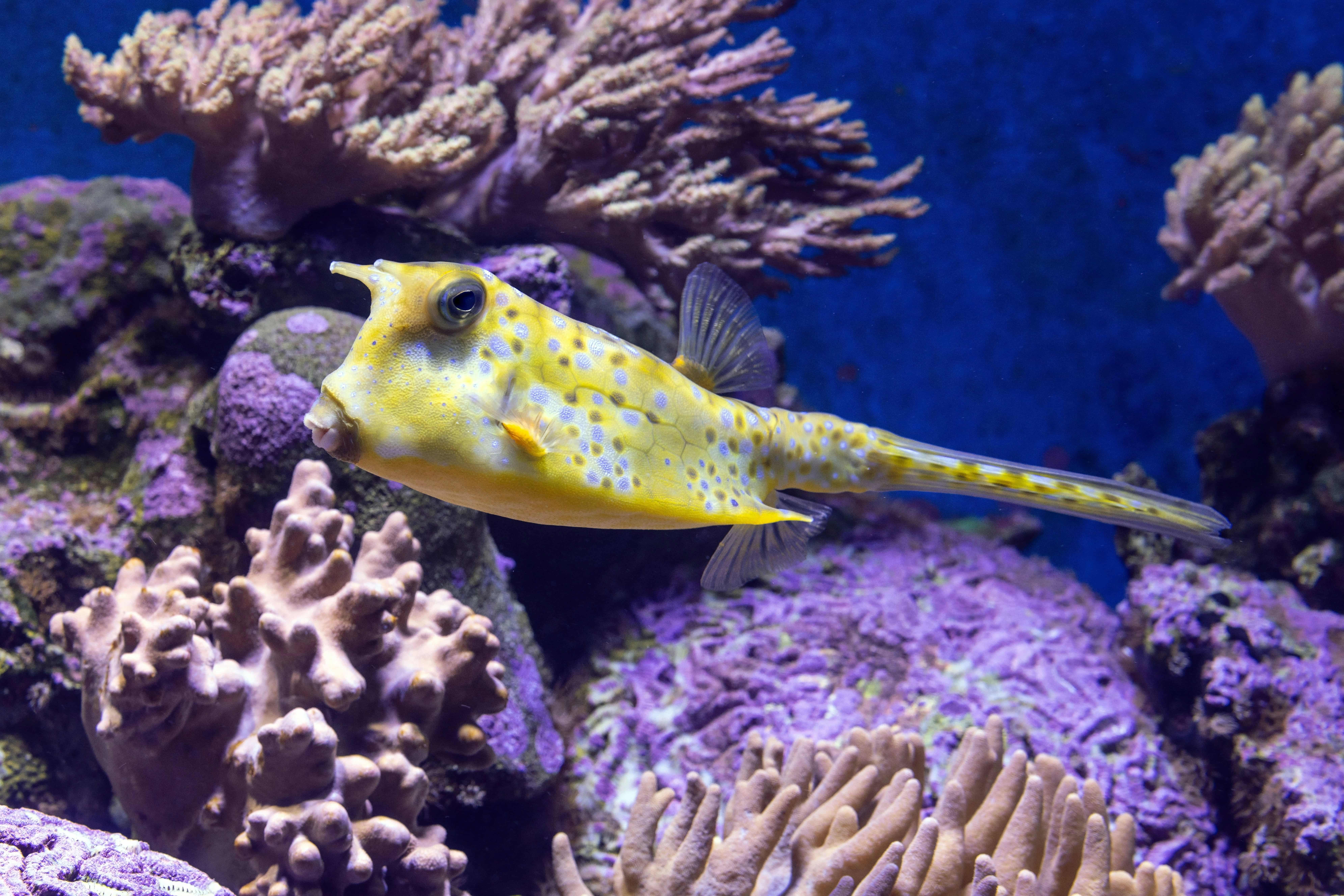
Diet: Invertebrates
When stressed, it releases a toxic chemical through its skin into the water.
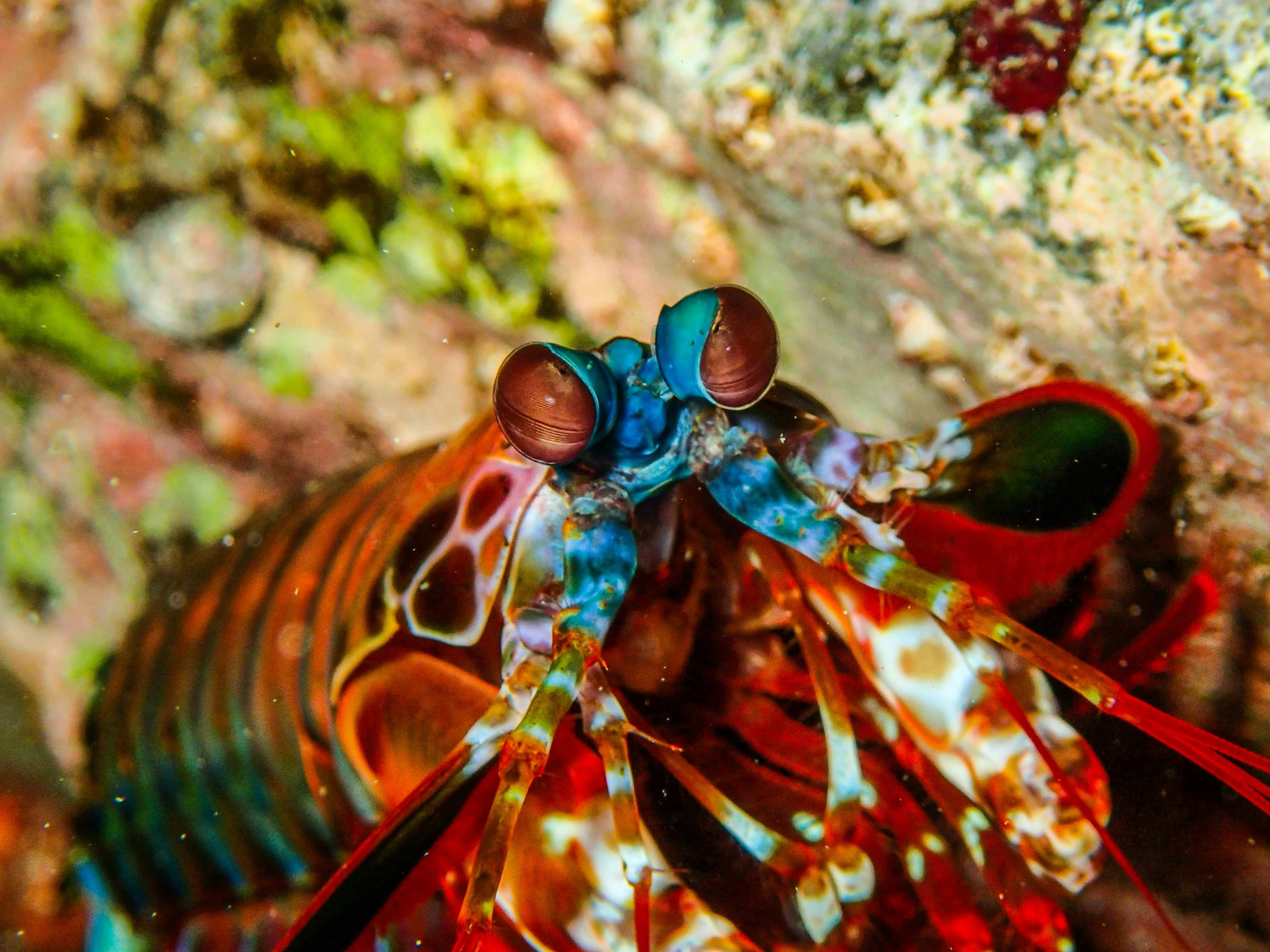
Diet: Gastropods, crabs, and mollusks
One of the most aggressive deep-sea shrimps, there have been reports of them attacking and consuming fish more significant than themselves!!!
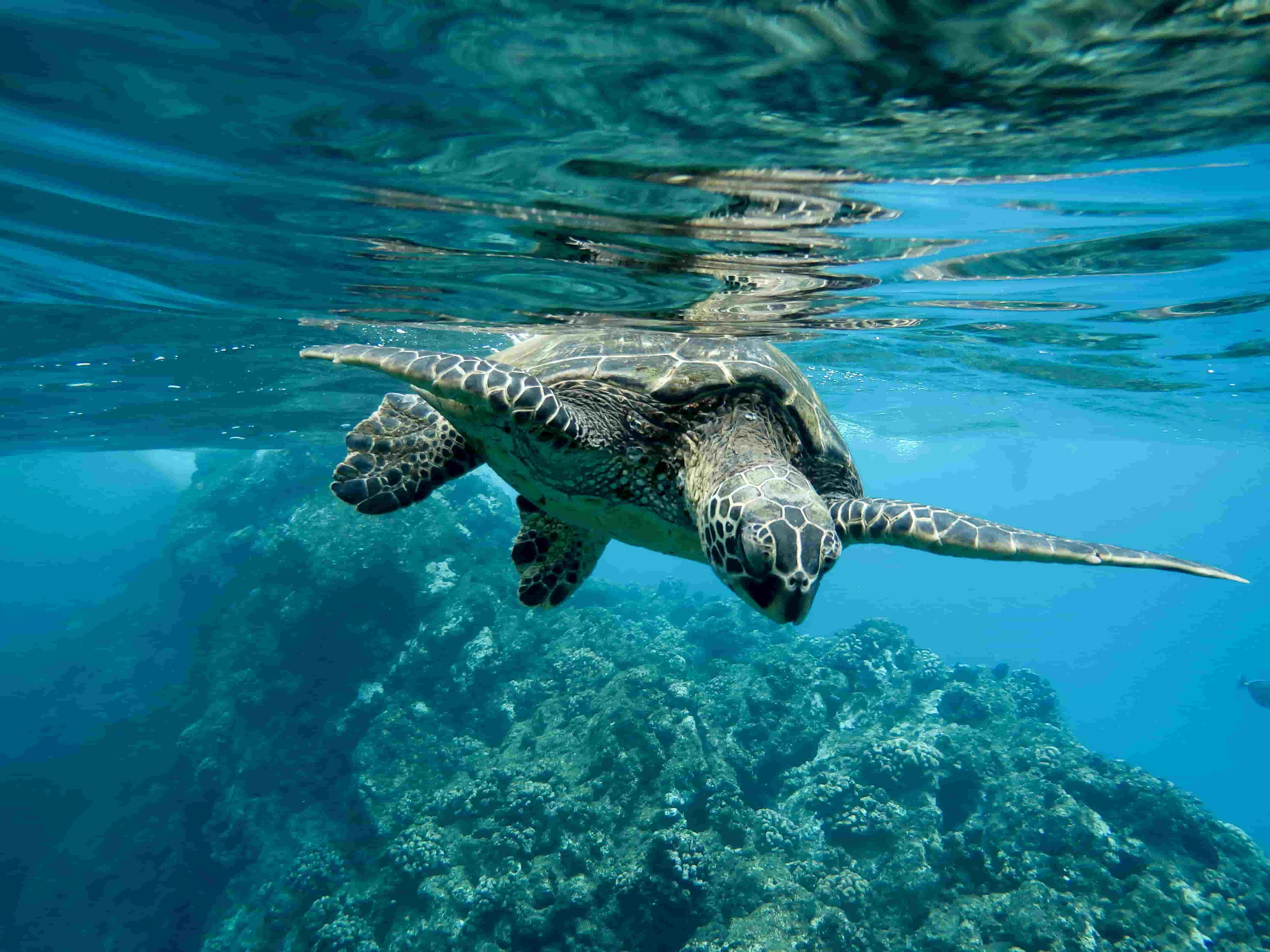
Diet: Seagrass and algae
Green turtles are ancient seafarers migrating across vast distances over the course of their lives in the open oceans.
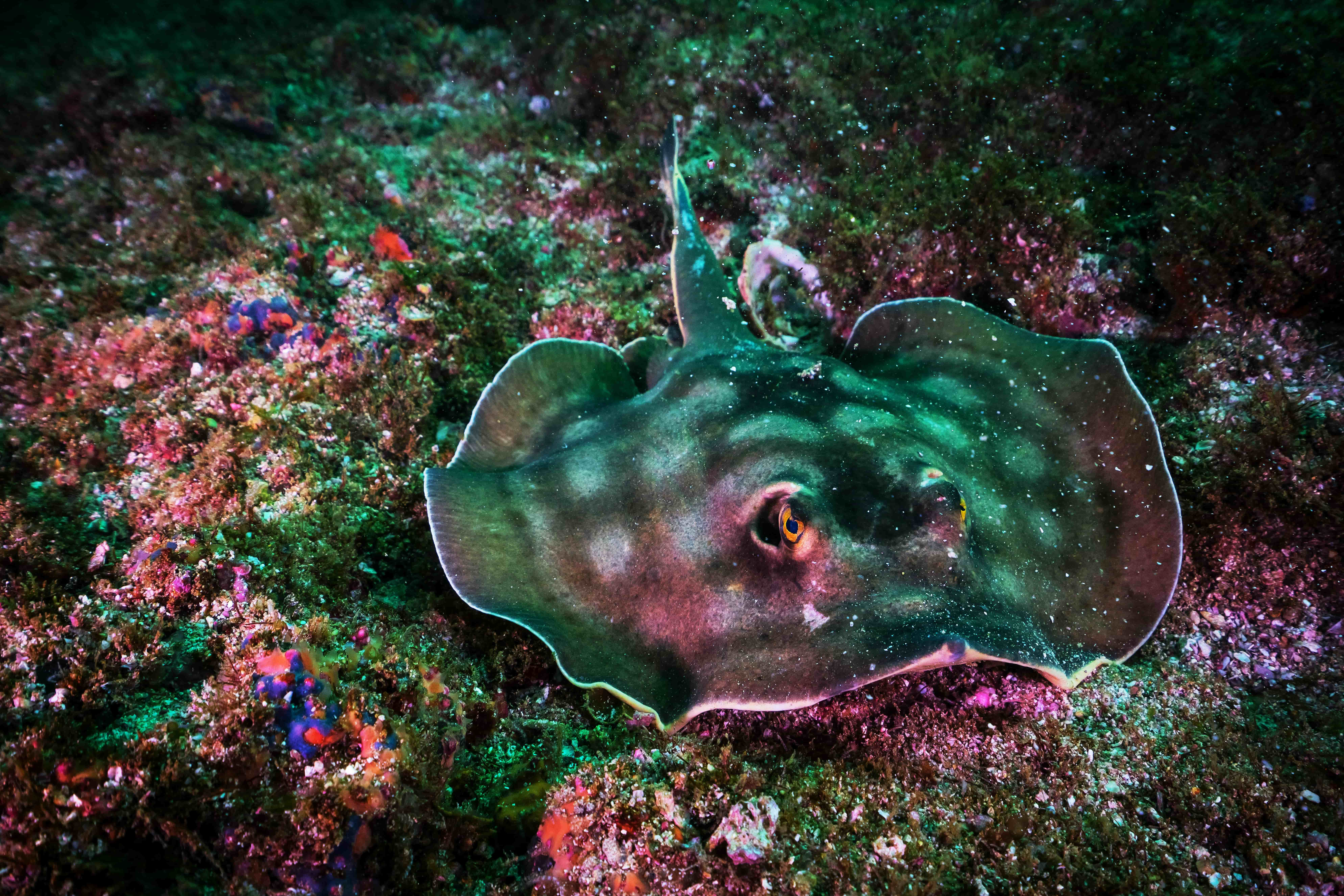
Diet: Plankton
Giant manta rays are filter feeders and have large wings that can span over 15 feet across.
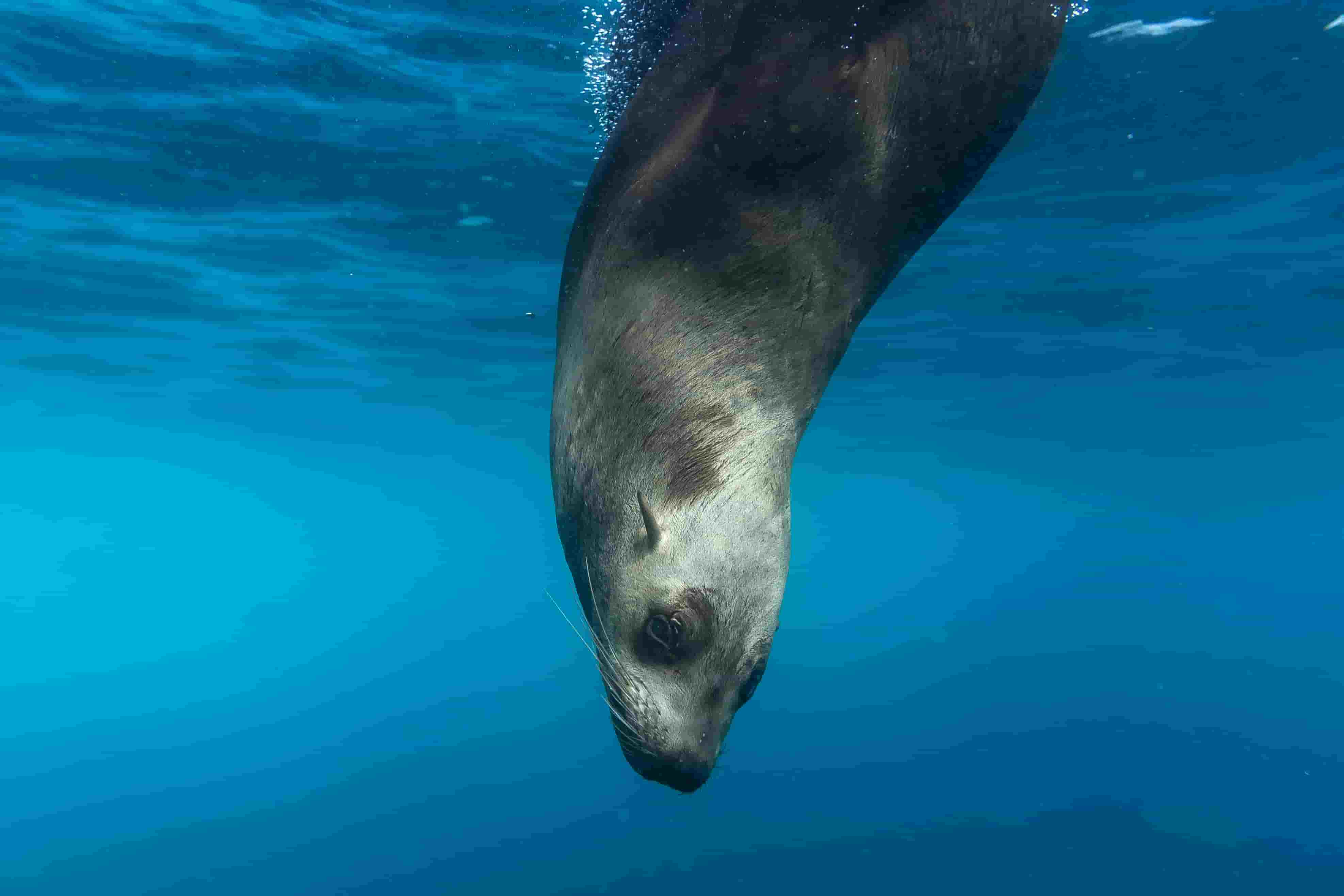
Diet: Fish and squid
California sea lions are very social animals and famous for their acrobatics when swimming underwater.
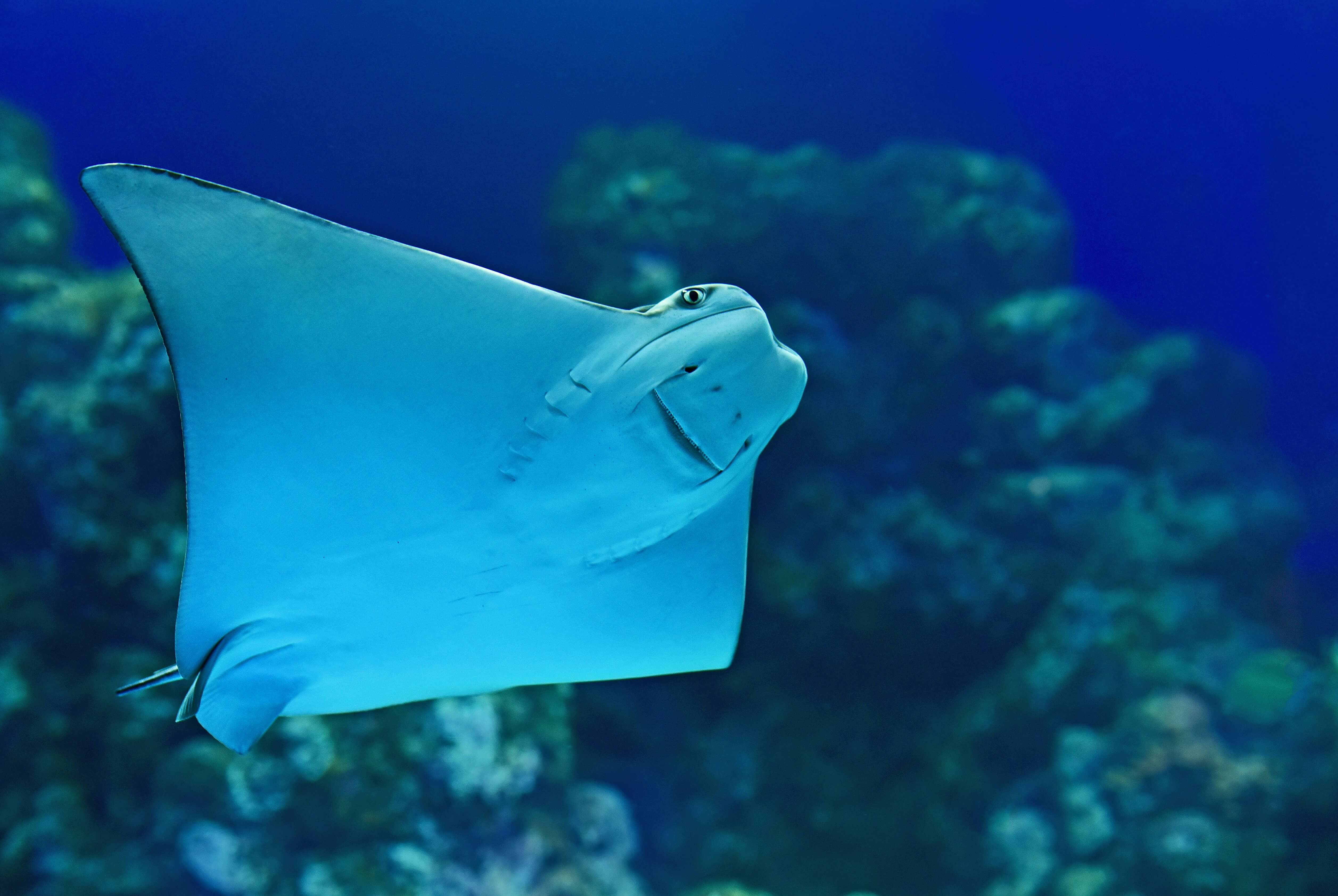
Diet: Benthic invertebrates
Cownose rays are very social animals and often migrate in huge schools called fevers.
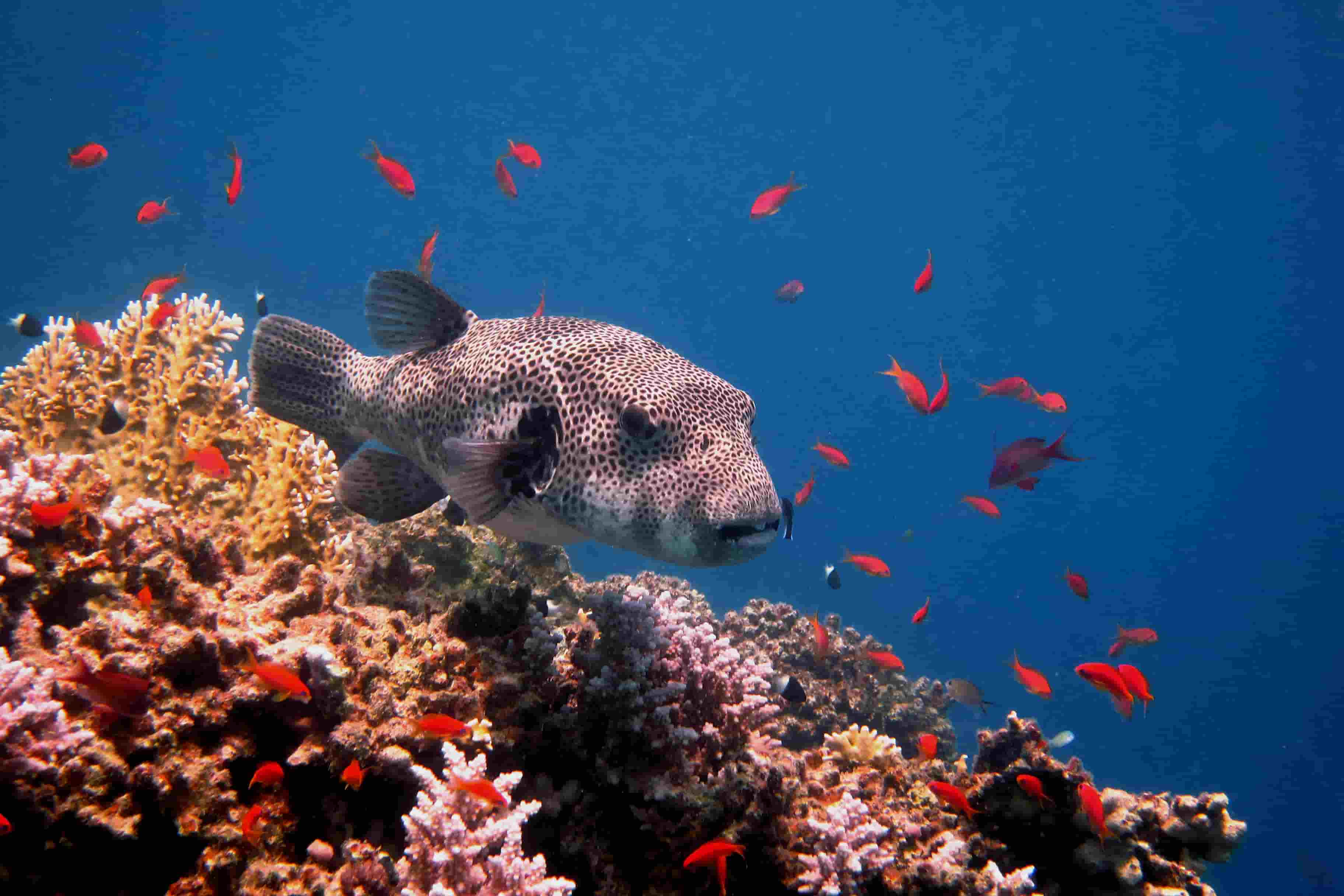
Diet: Invertebrates and algae
Giant pufferfish can take in a huge amount of water, making them inflate to deter predators.
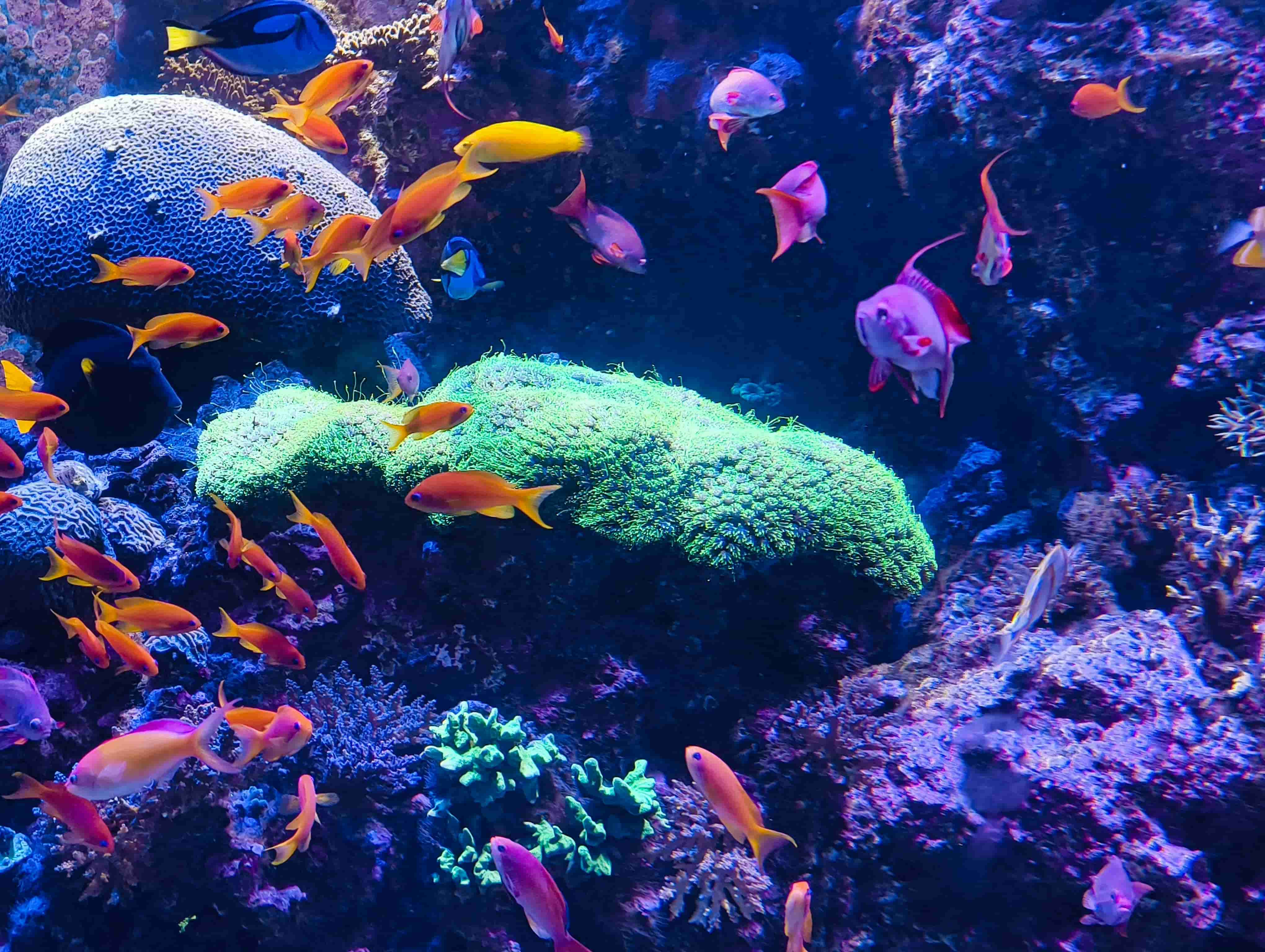
Diet: Varies
Pelagic fish travel in schools and their schools can form optical illusions, confusing predators.
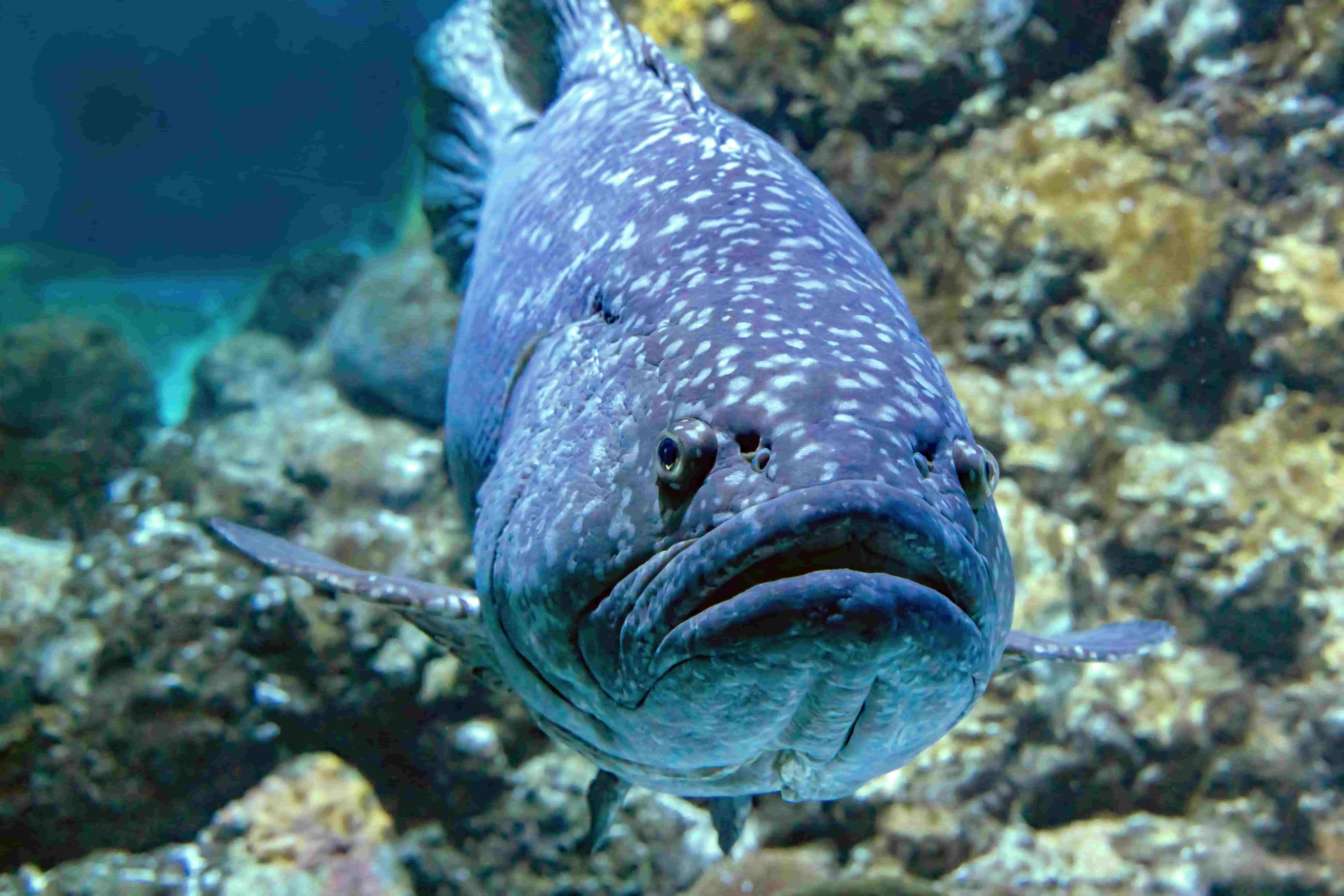
Diet: Fish and crustaceans
Queensland grouper are one of the largest bony fish species, weighing as much as 800 pounds.
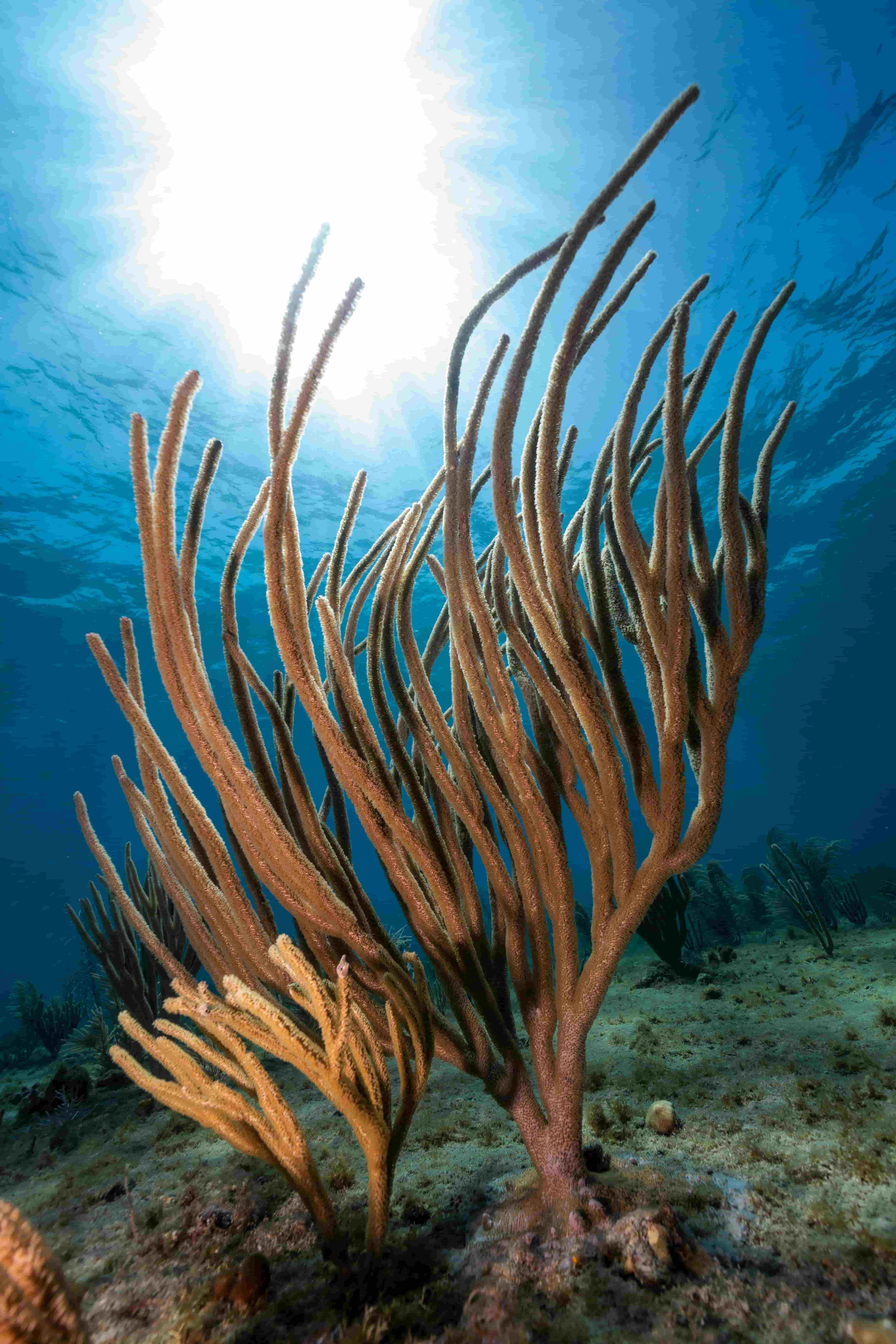
Type: Ocean Flora
Kelp can grow up to 18 inches in a day, providing nutrients and habitat for animals living in the open ocean.
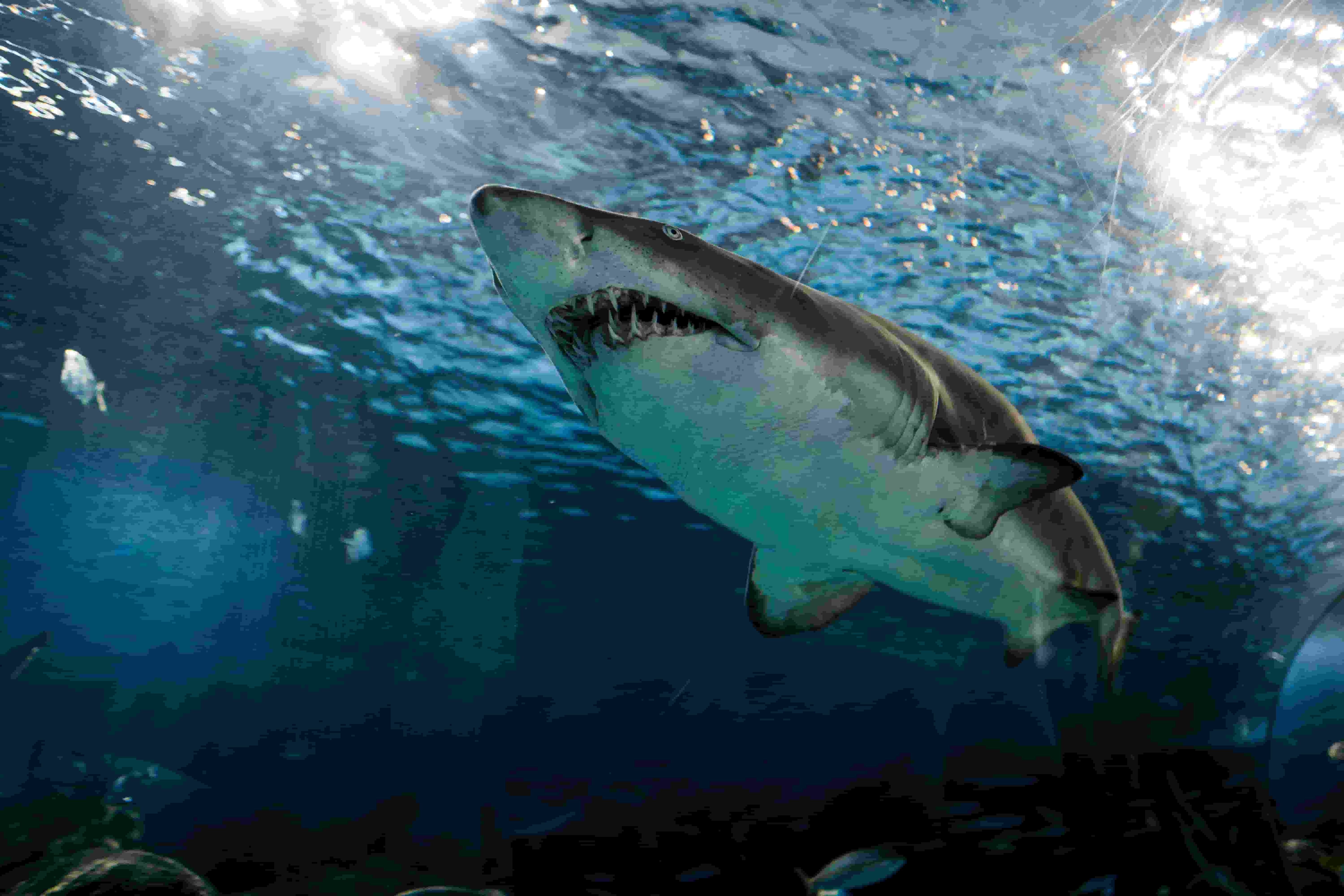
Diet: Apex Predator
Has plains of serrated teeth as many as 300 and an extremely keen sense of smell.
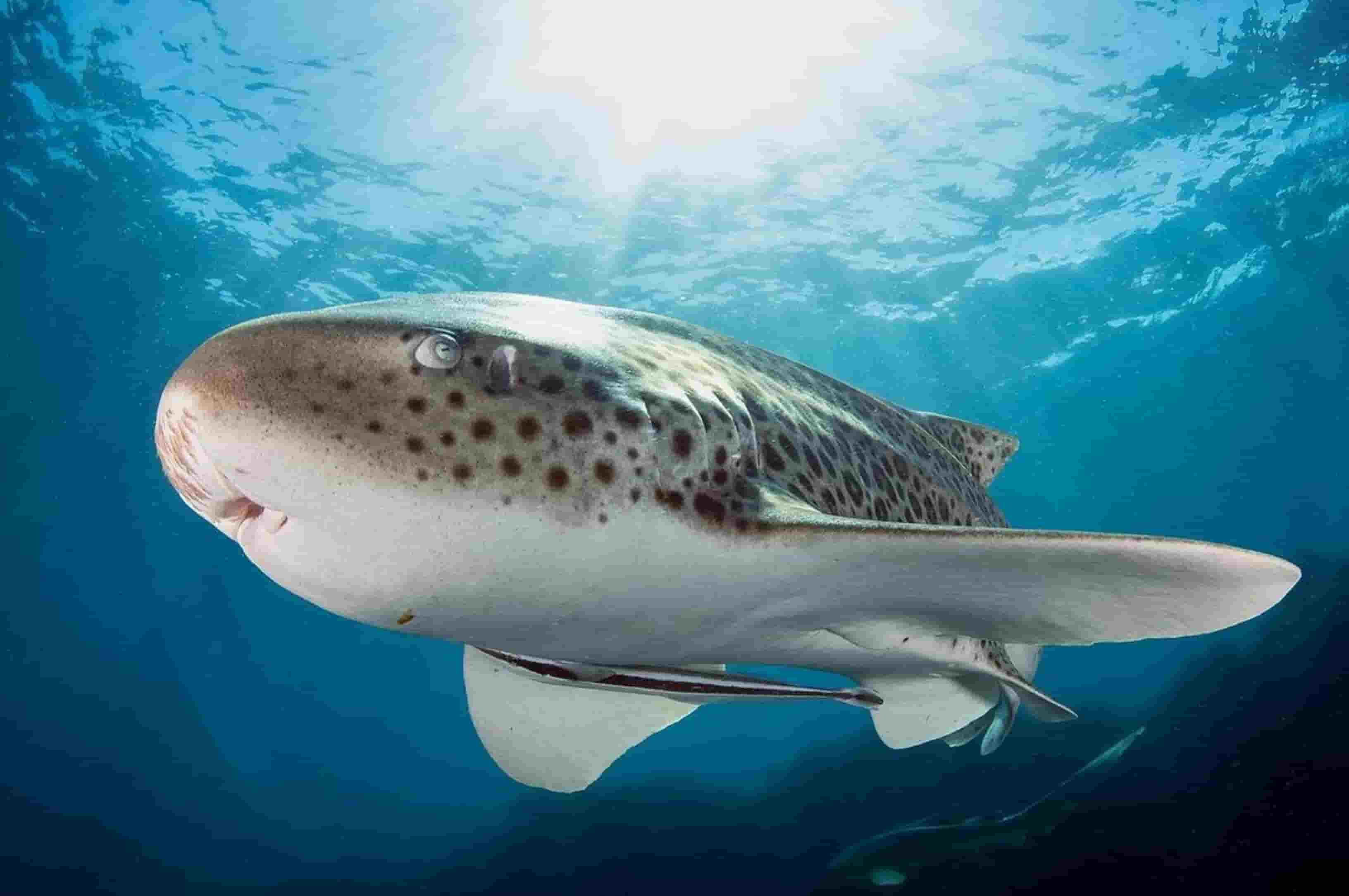
Diet: Carnivore
Diver into deep water for food; will virtually eat anything.
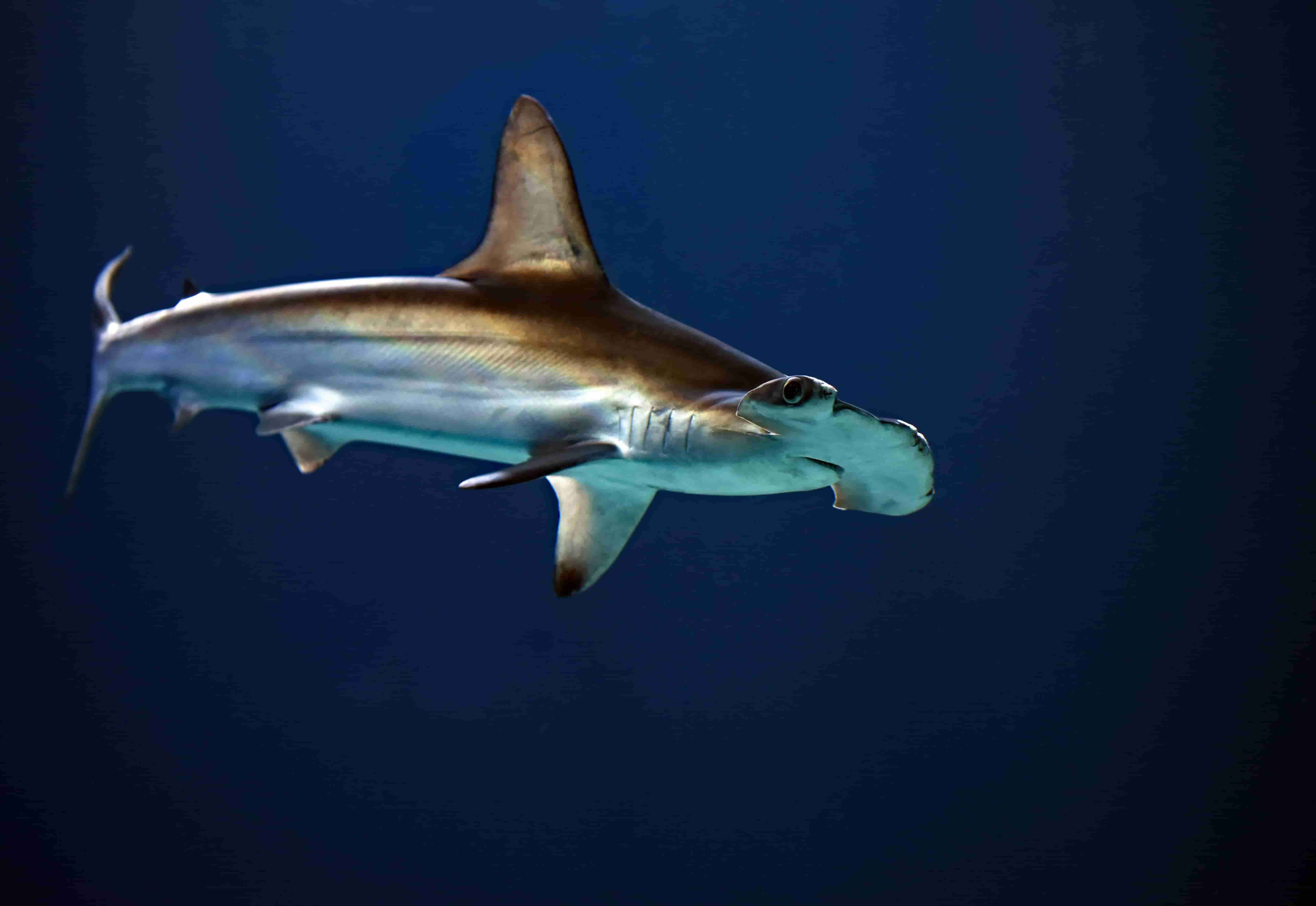
Diet: Rays and fish
With their unique shape of their head, hammerhead has 360 degrees of vision; they are also able to find prey through the use of their advanced sense of electroreception.
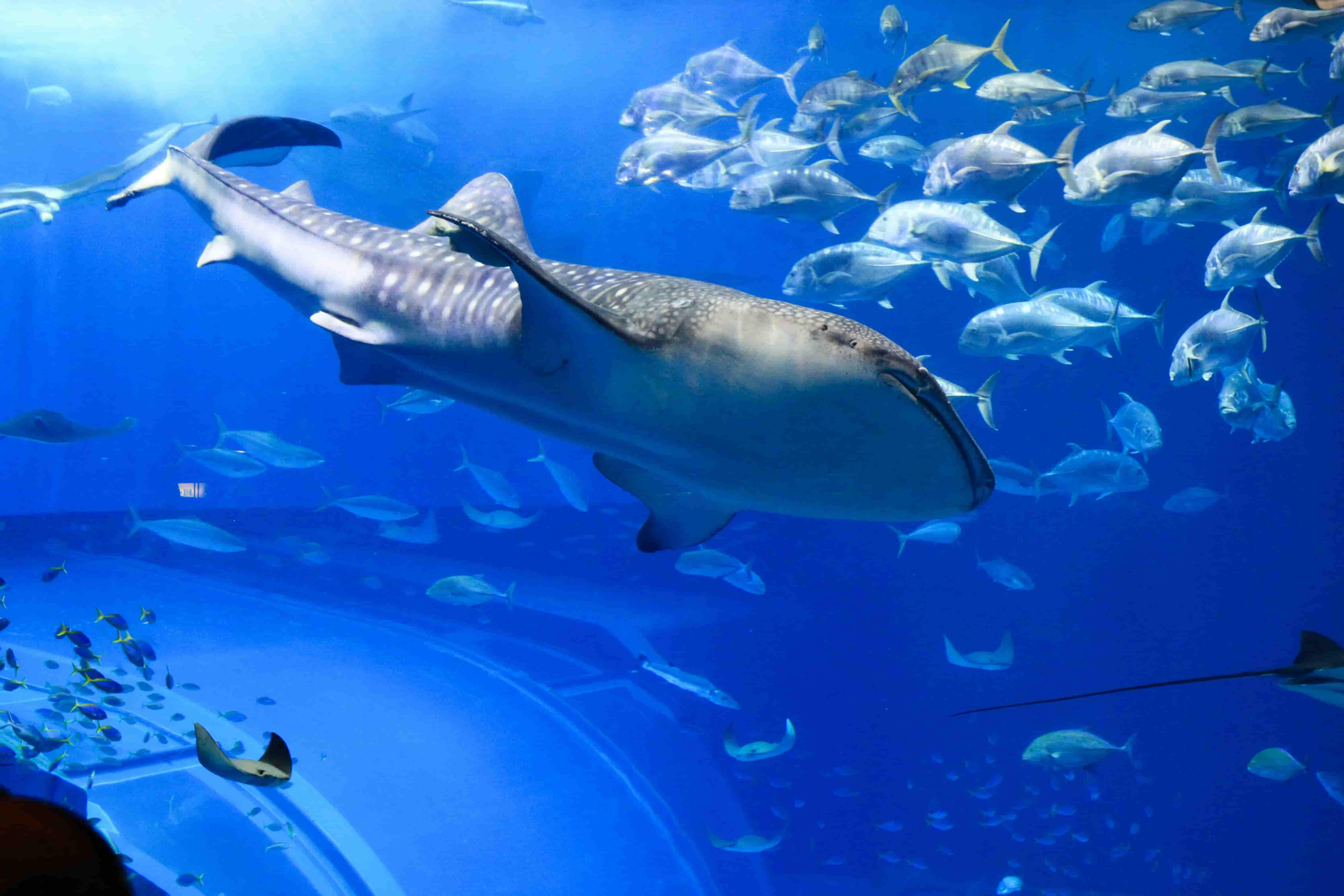
Diet: Plankton
The largest fish in the ocean and an enormous filter feeder, capable of diving deep into the ocean.
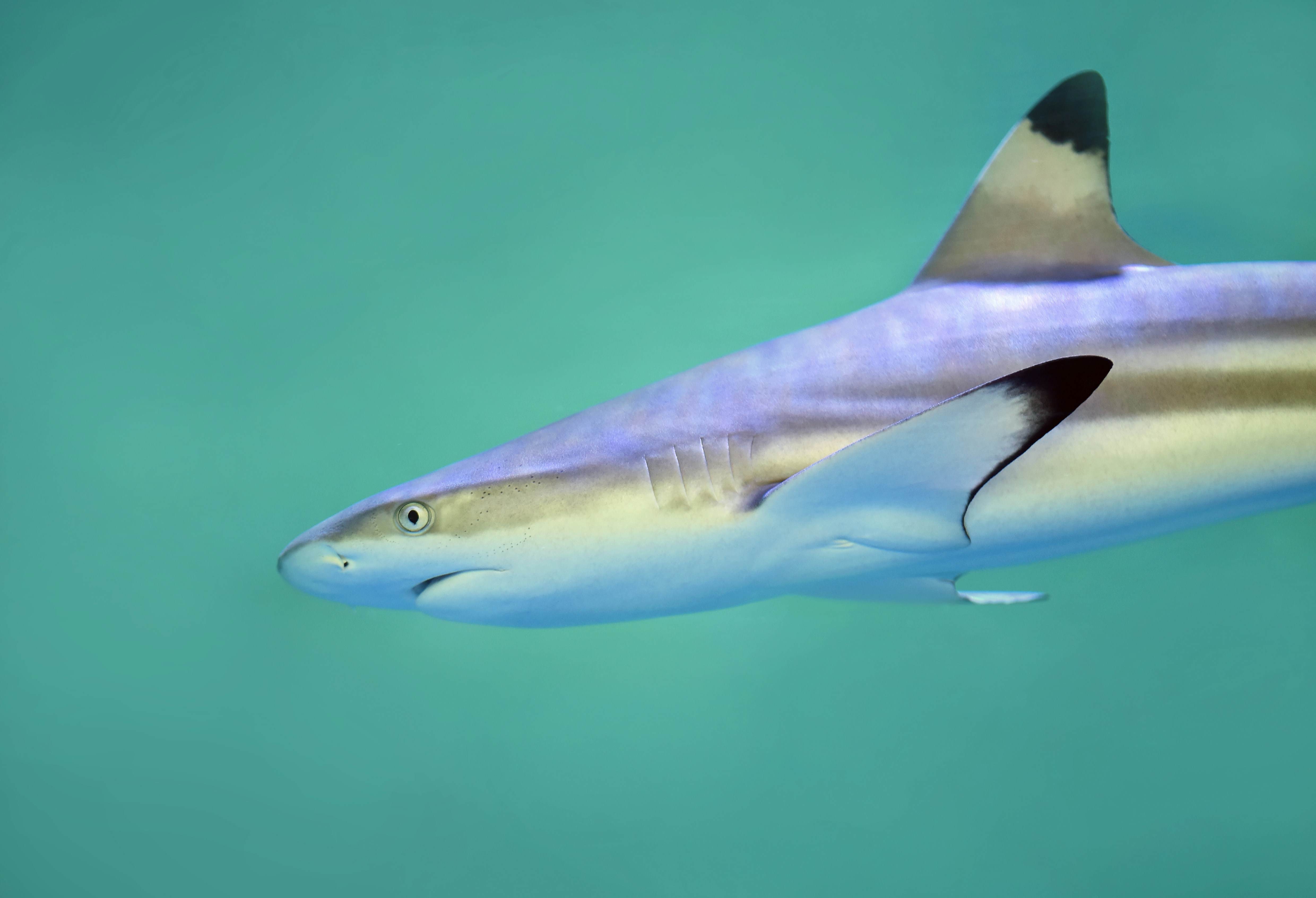
Diet: Small fish
Very agile and fast, they often display aggressive body language to demonstrate aggressive behavior when threatened.
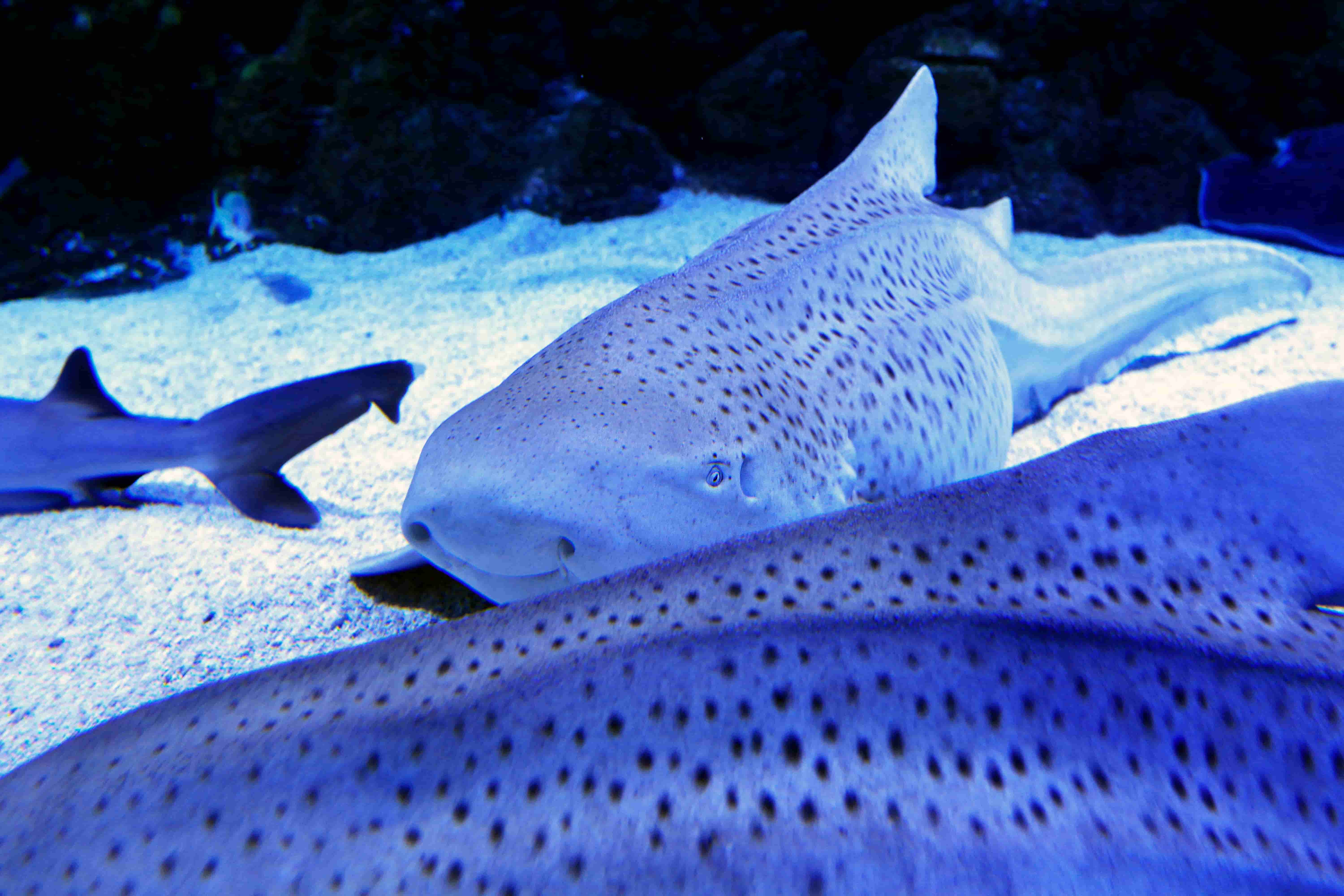
Diet: Crabs and shrimp
Distinctly patterned bottom feeding sharks cruising the ocean floor for food.
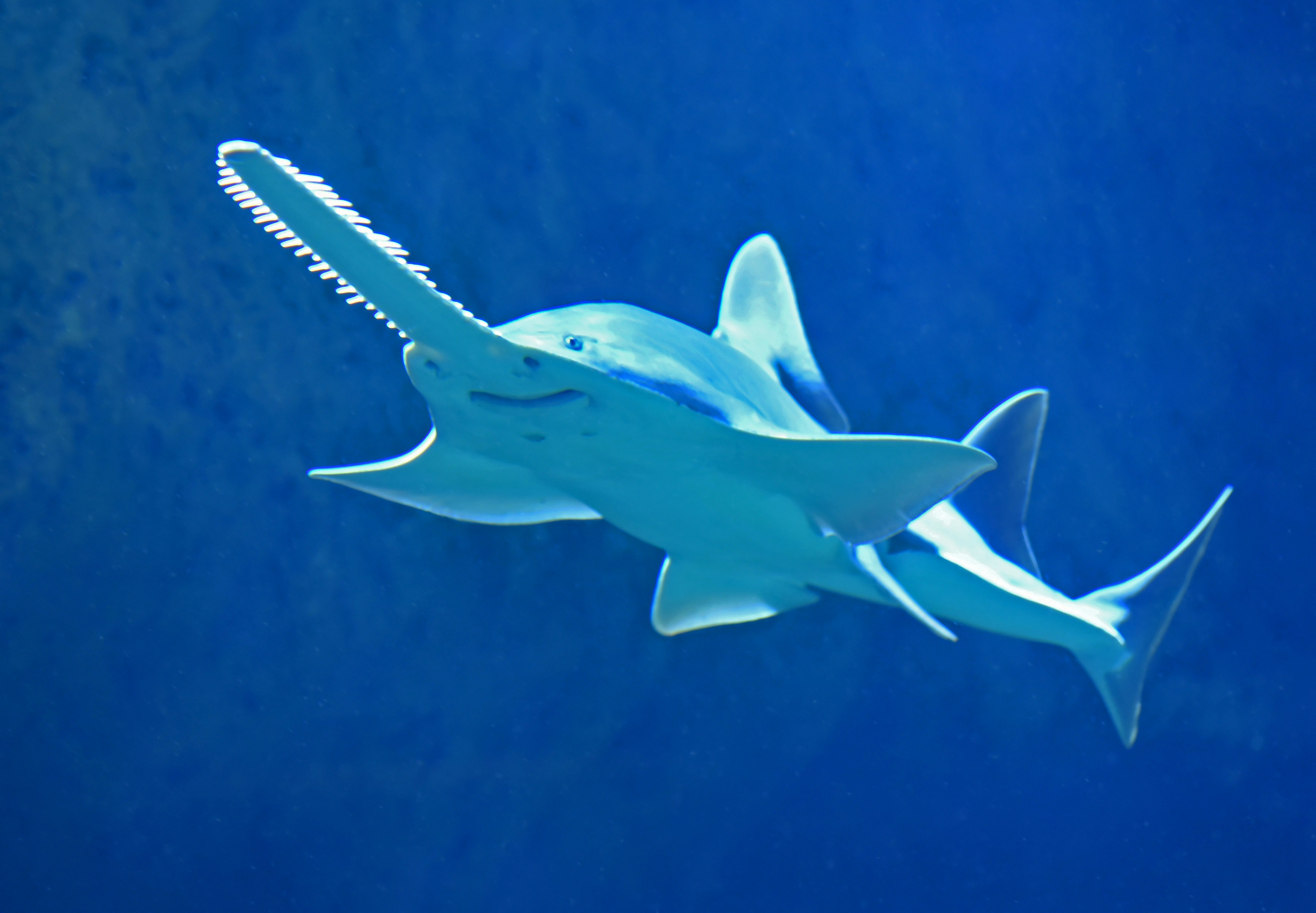
Diet: Fish and invertebrates
A type of ray with a long nose covered with sharp teeth.
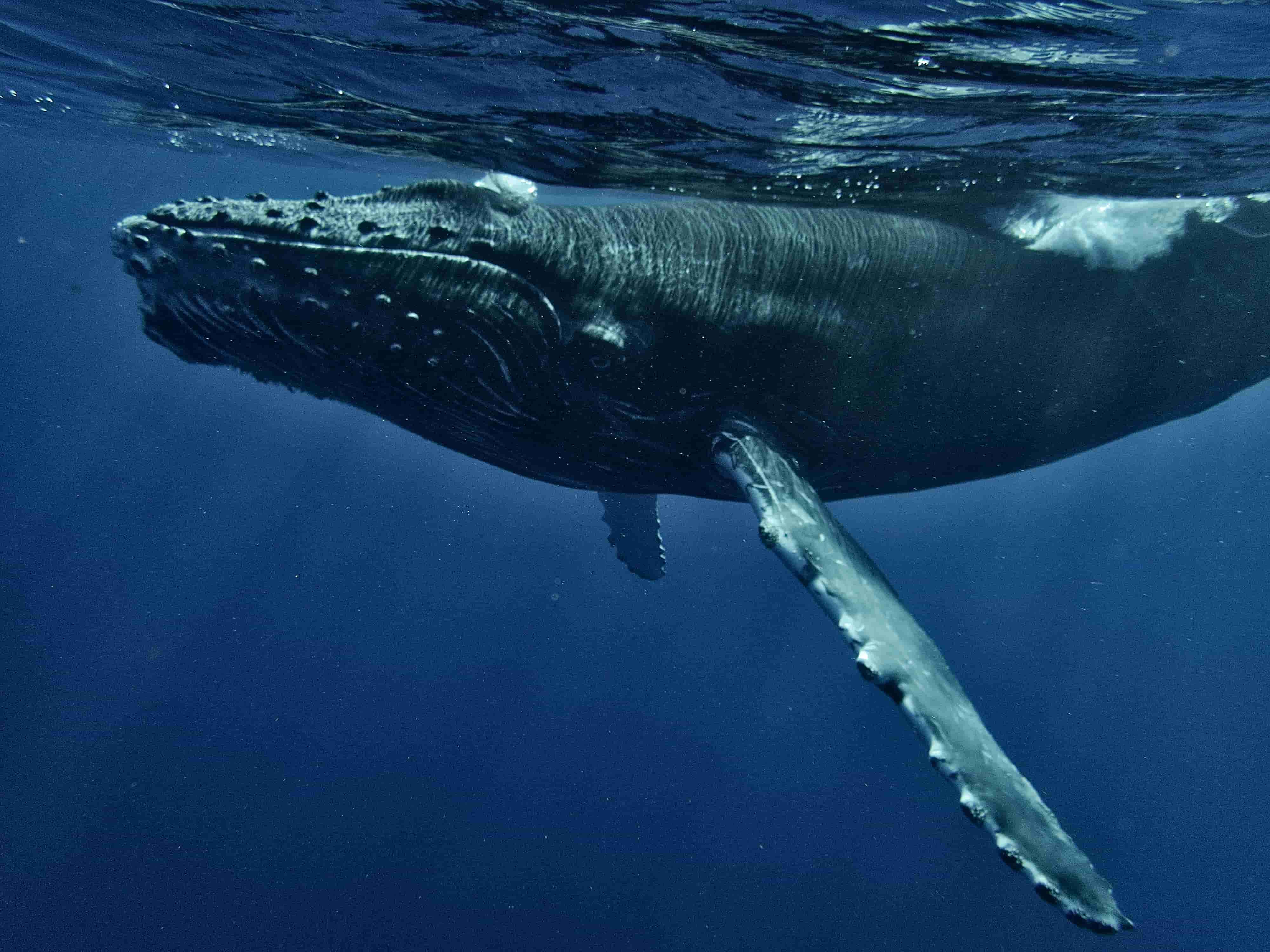
Diet: Krill and small fish
Huge whales that dive to considerable depths to obtain food and communicate using haunting songs.
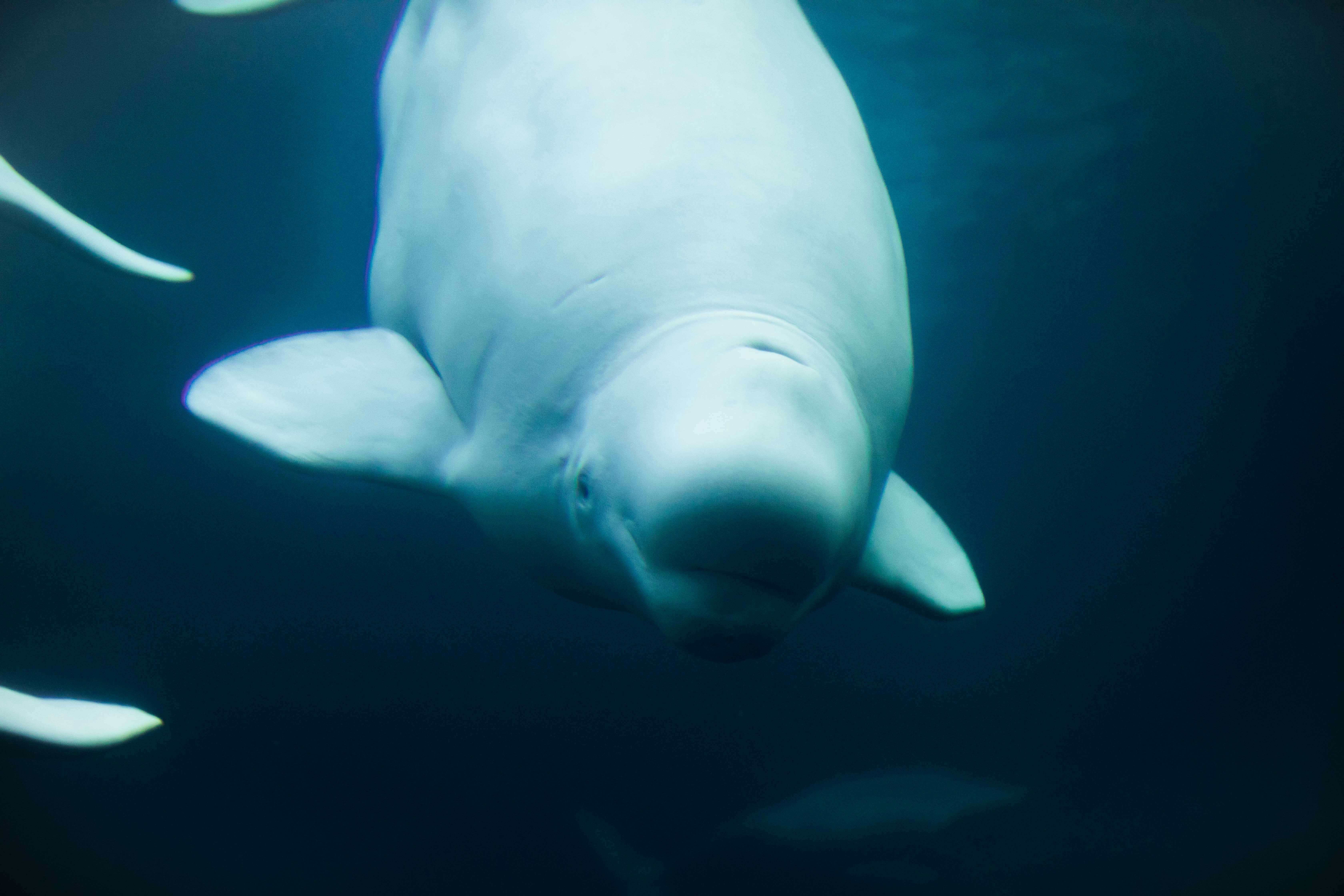
Diet: Fish and crustaceans
Known as canaries of the sea, due to their pure white coloration and large melon shaped heads.
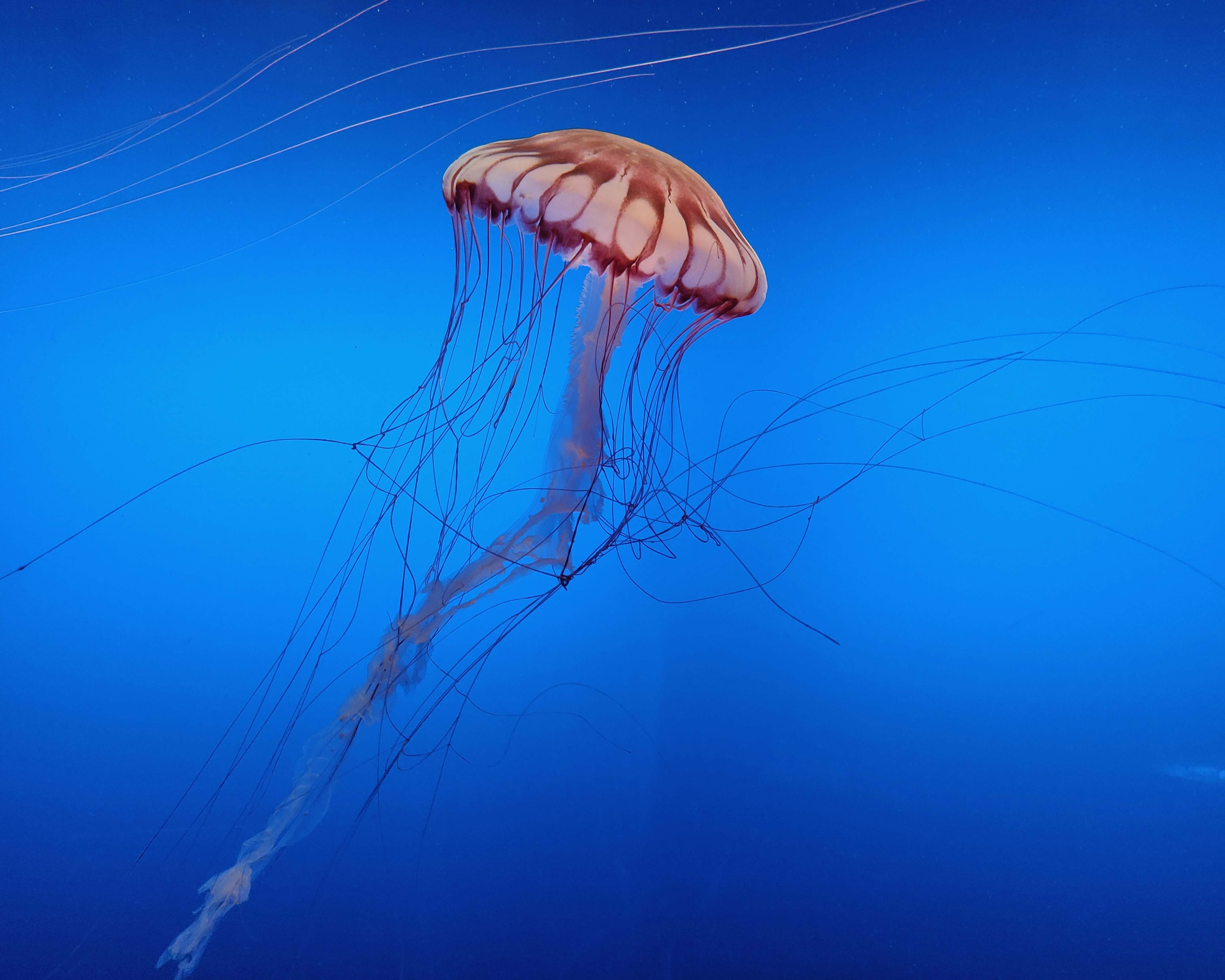
Diet: Zooplankton
A phantom predator that wanders silently through the inky darkness to subdue its victims.
Diet: Small organisms
These deep-sea drifters glide gracefully through the extreme pressure of their surroundings.
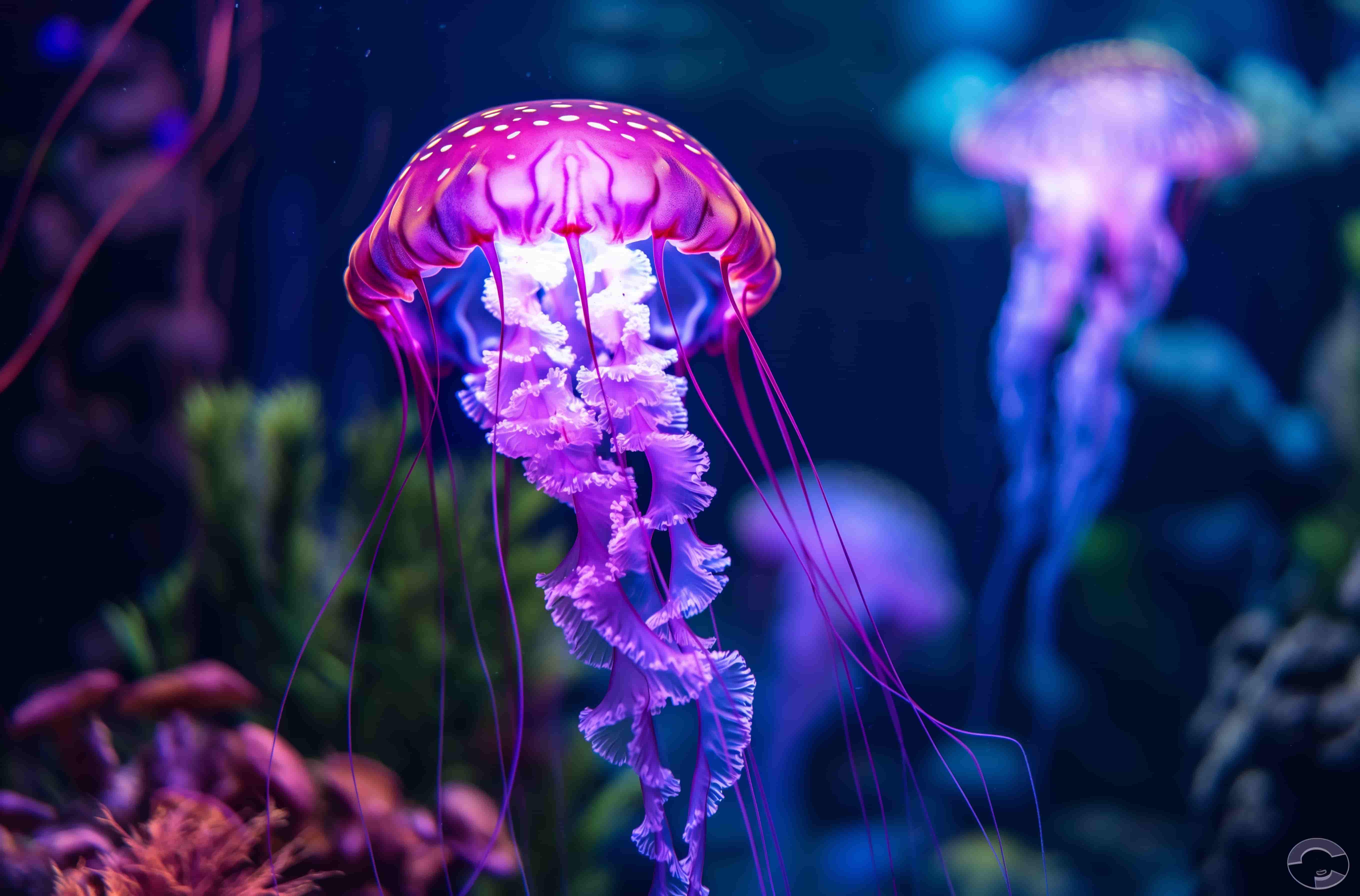
Diet: Larvae and plankton
Stunningly colored Cnidarians that drift in the deep, dark ocean.