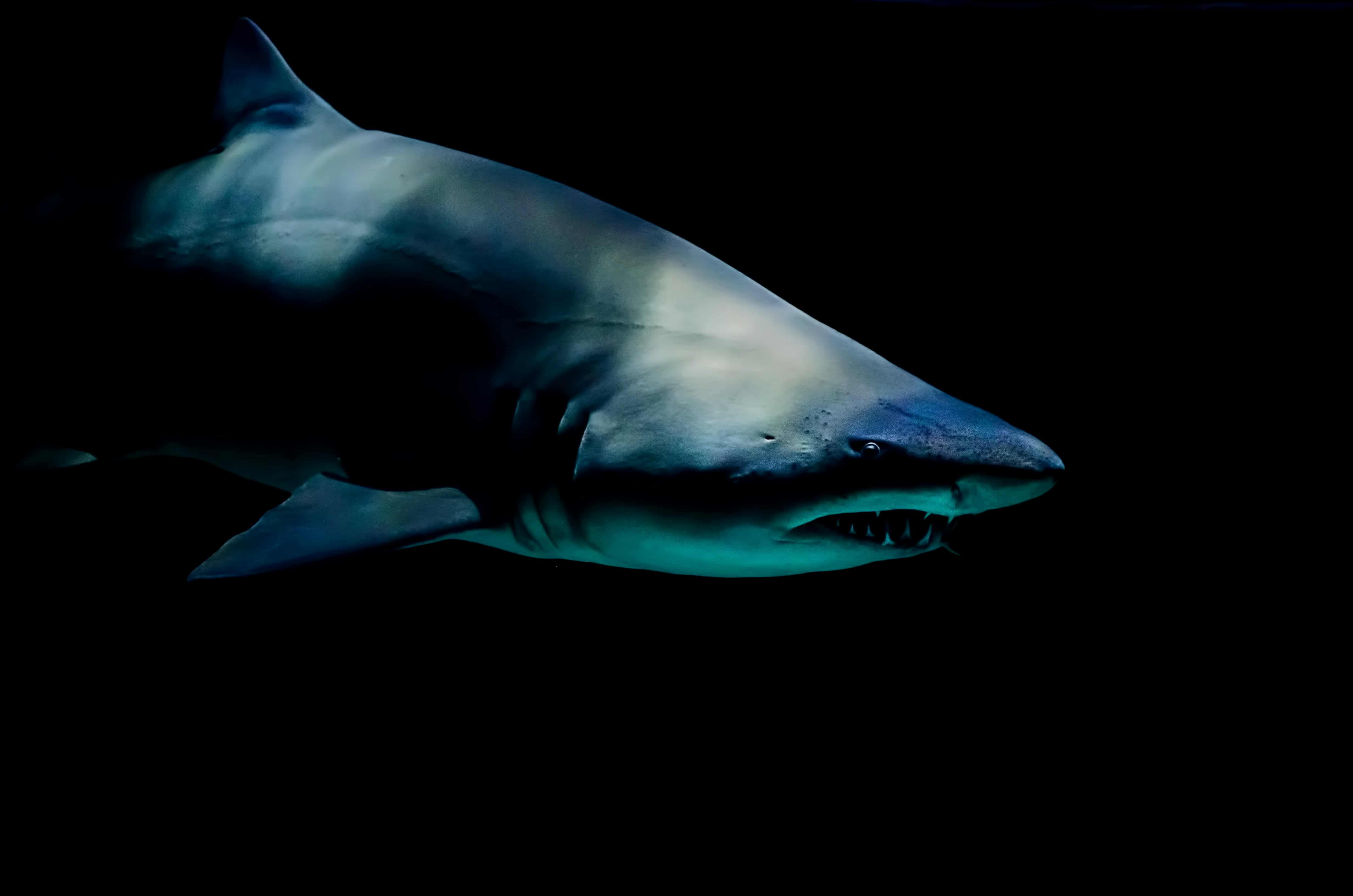
The ocean's deepest reaches are home to many wonders. Here, there is no access to sunlight. The temperature is extremely low. The amount of pressure exerted by the water above is extreme. Only the largest and most amazing apex predators (as well as some of the strangest bioluminescent animals) can survive in this environment.
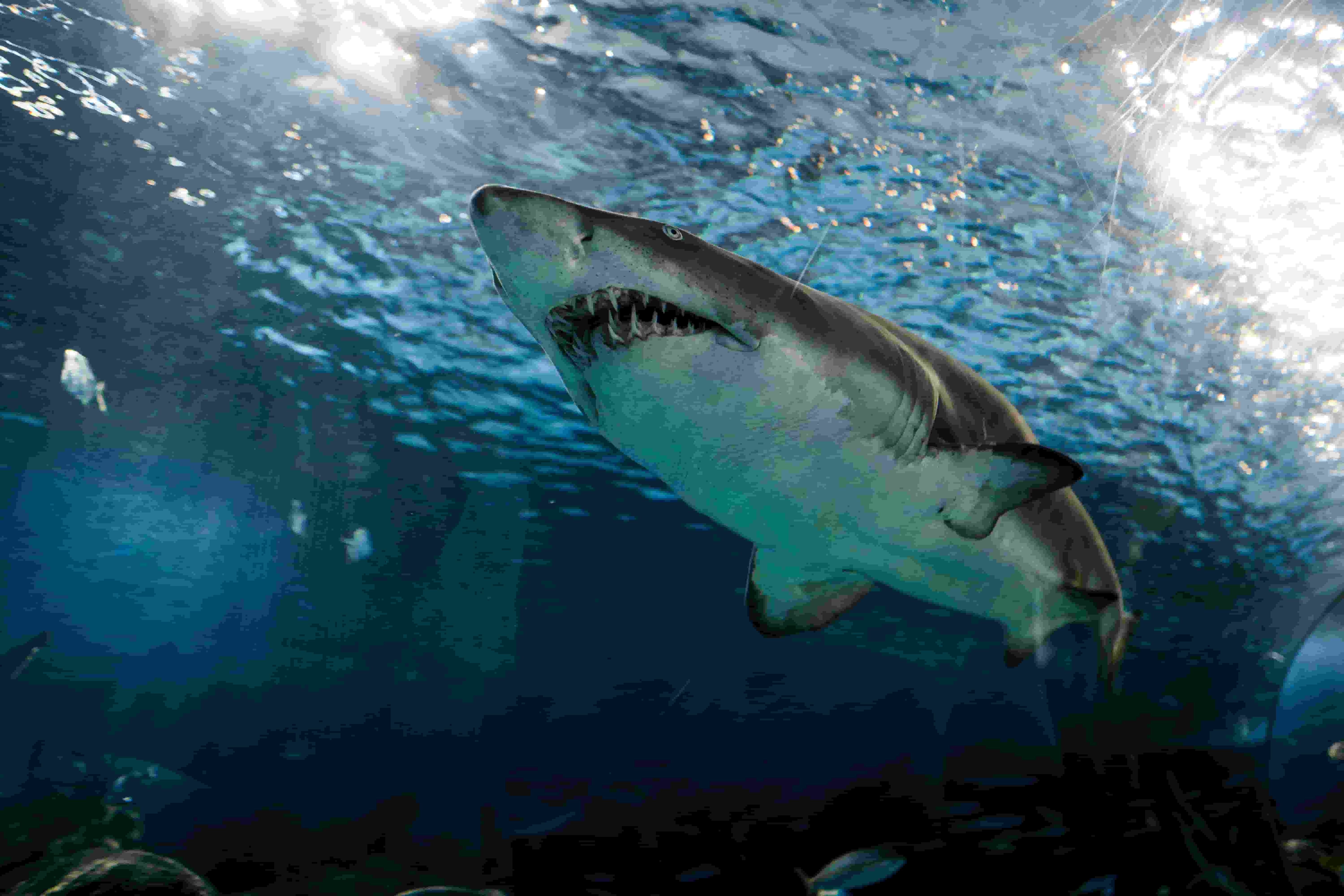
Our resident Great White Shark, Shadow, is the largest predatory fish on earth. With a set of serrated teeth that measure approximately 300, sharks use their sharp teeth to catch their prey. The white shark also has an excellent sense of smell, which allows them to smell one drop of blood from over a mile away.
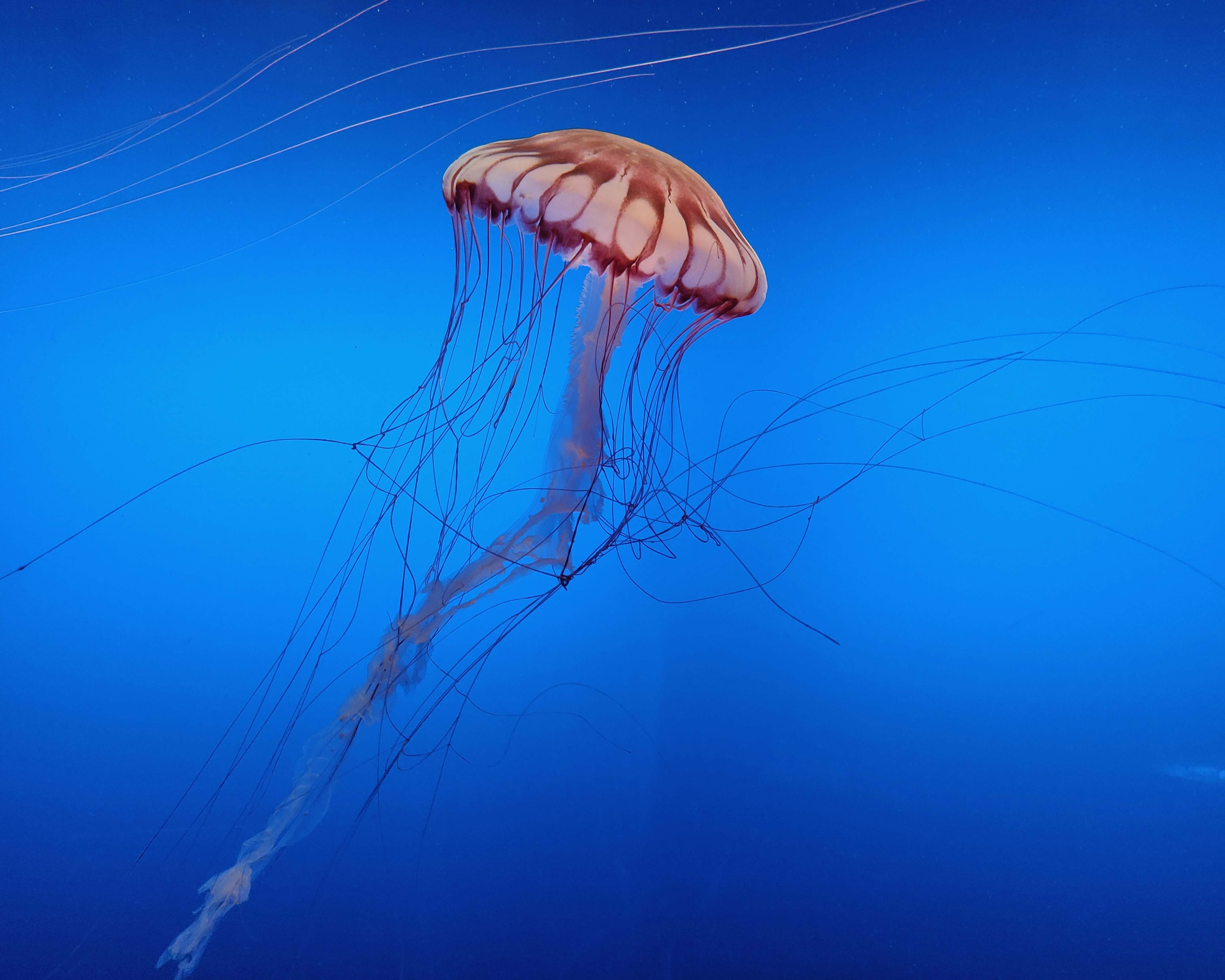
Sea nettles drift silently throughout the ocean at night, using bioluminescent cells to light up the darkness as they go. They have lengthy and trailing tentacles that contain stinging cells filled with venom that paralyze passing prey in total darkness.
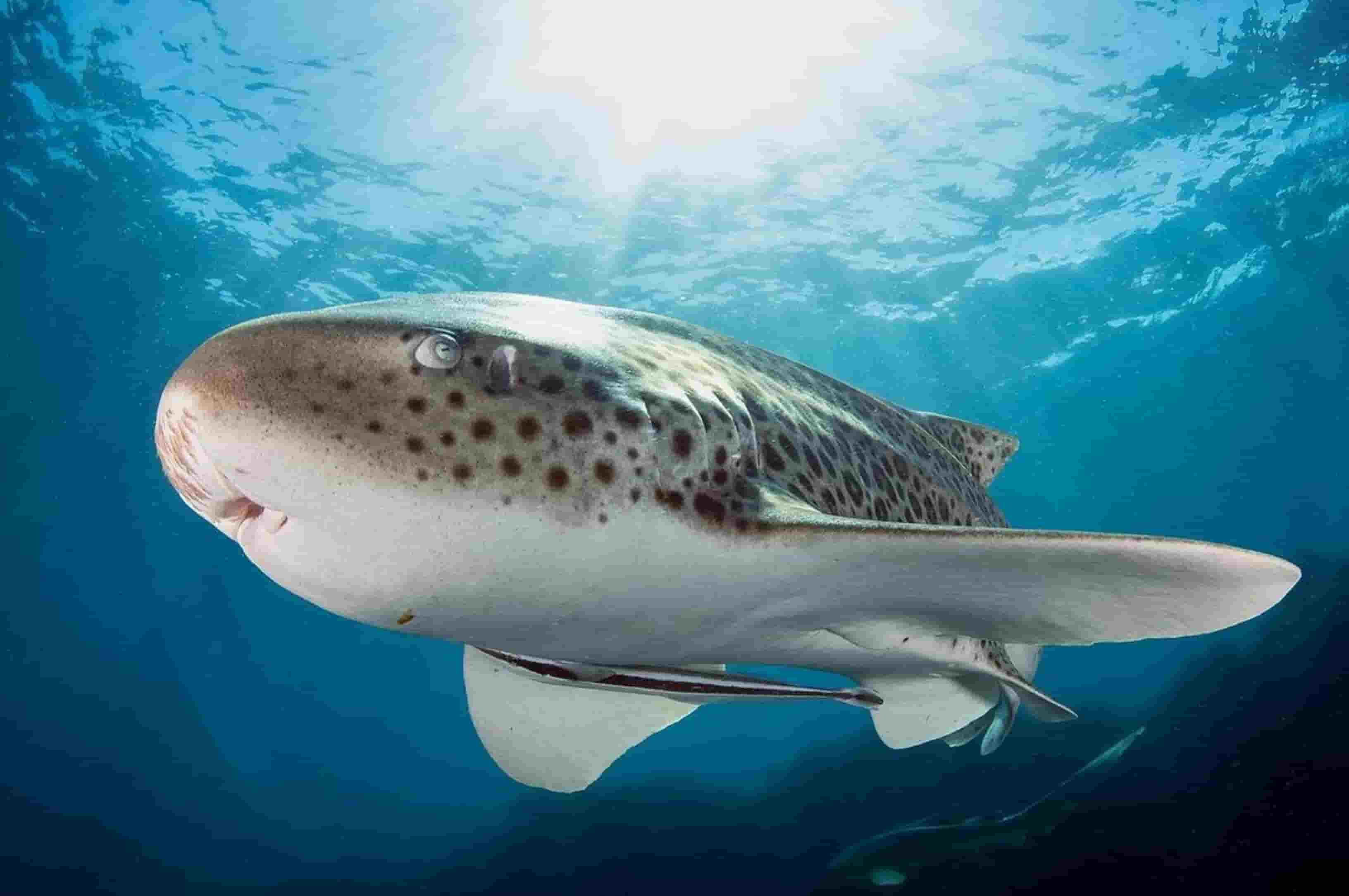
Known for their deep, vertical stripes, usually seen only in juvenile tiger sharks, tiger sharks are unique opportunistic feeders with an ability to hunt and feed in extremely deep cold water (down to 1500 feet), where they are capable of locating their food through all the water layers above them.
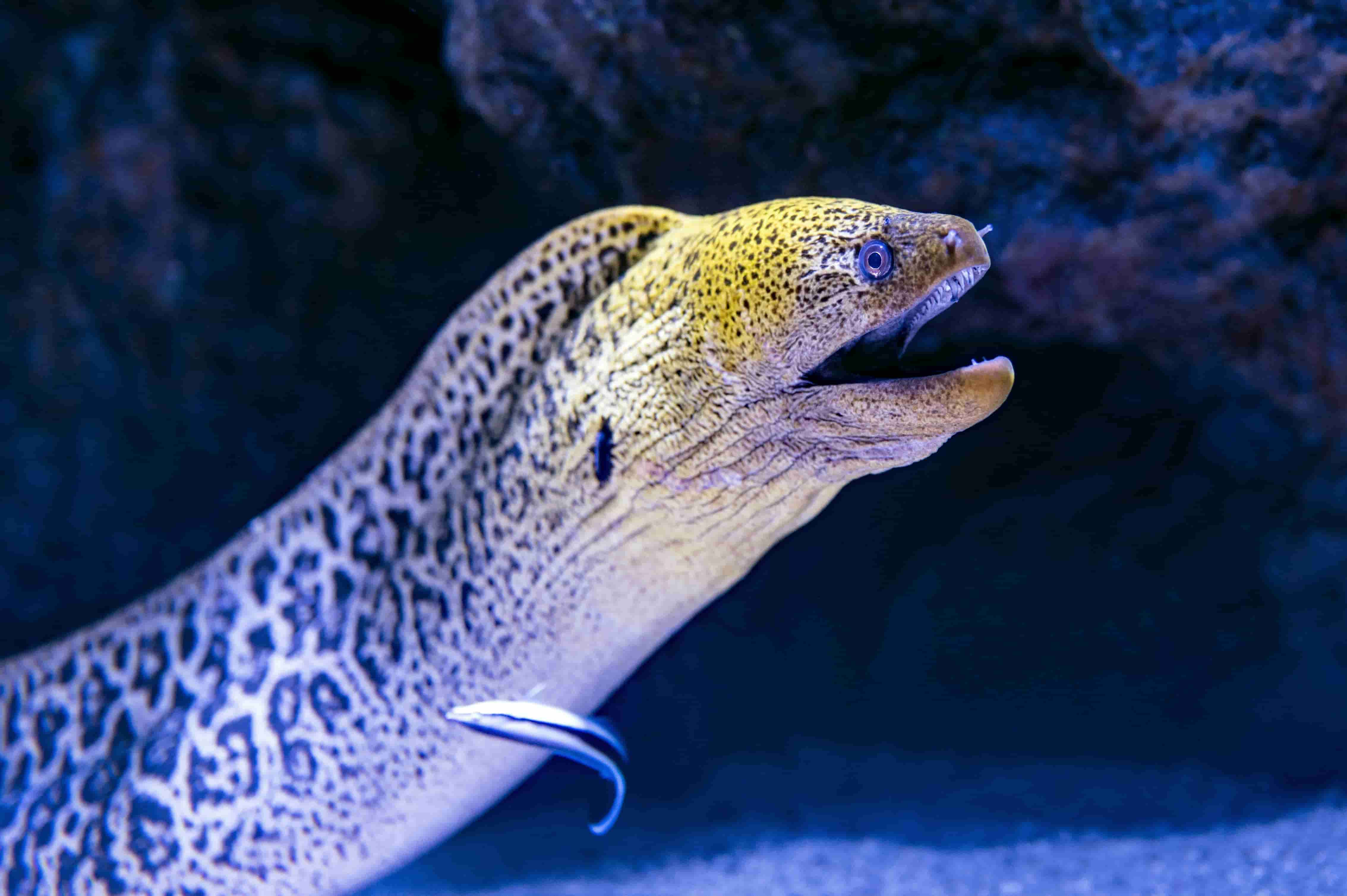
Moray Eels are ambush predators that are often found hidden in rocky crevices. They have a unique physical characteristic—a second set of jaws located in their throats, called pharyngeal jaws, that they use to grab hold of their prey and pull it into their stomachs.
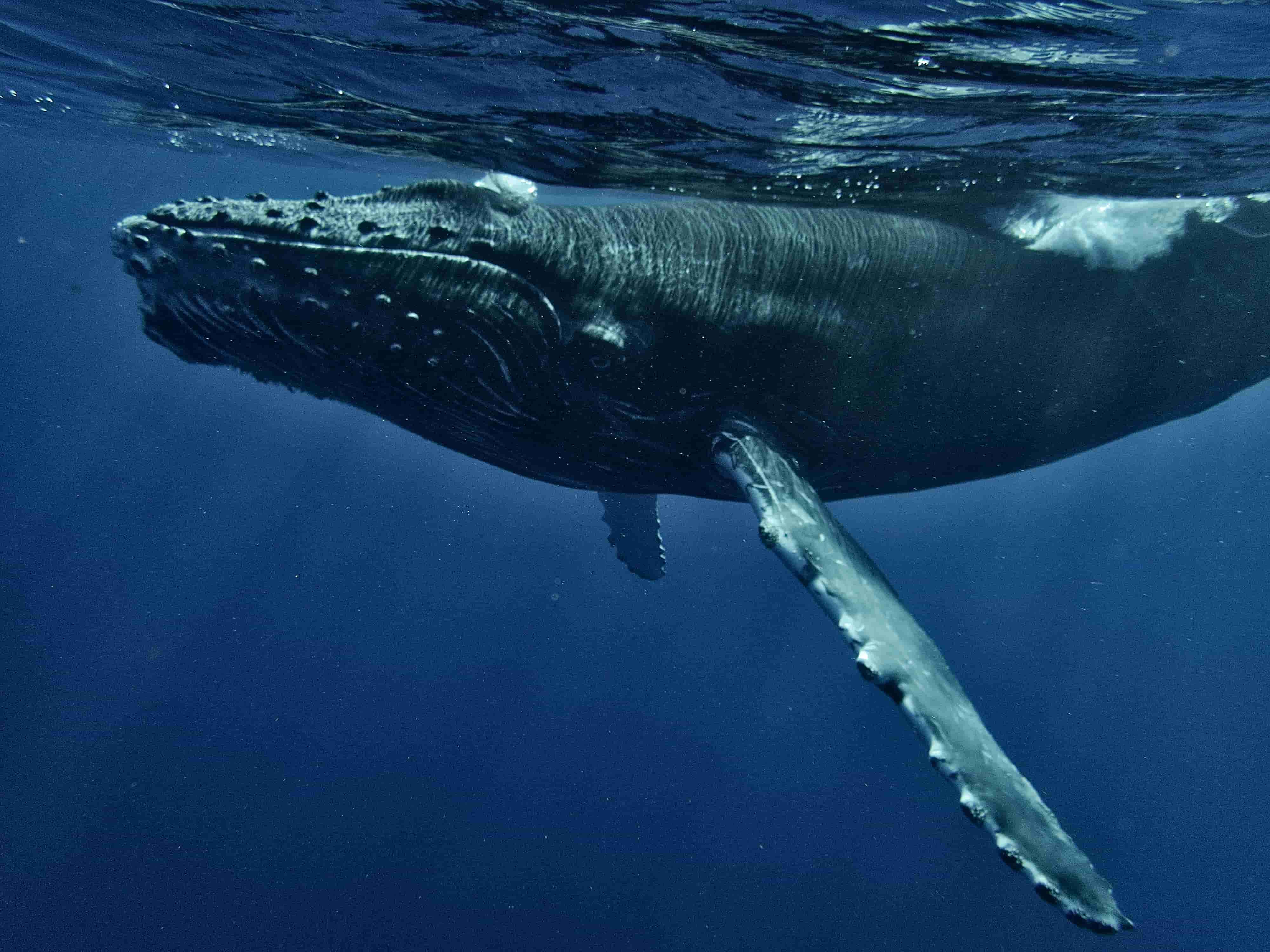
These huge whales, which are commonly found at the surface of the ocean, have been recorded at depths of 300 feet or more, in the frigid emptiness of their deep sea habitat, as they consume vast amounts of krill, while calling out with a mournful song that can be heard for many miles.
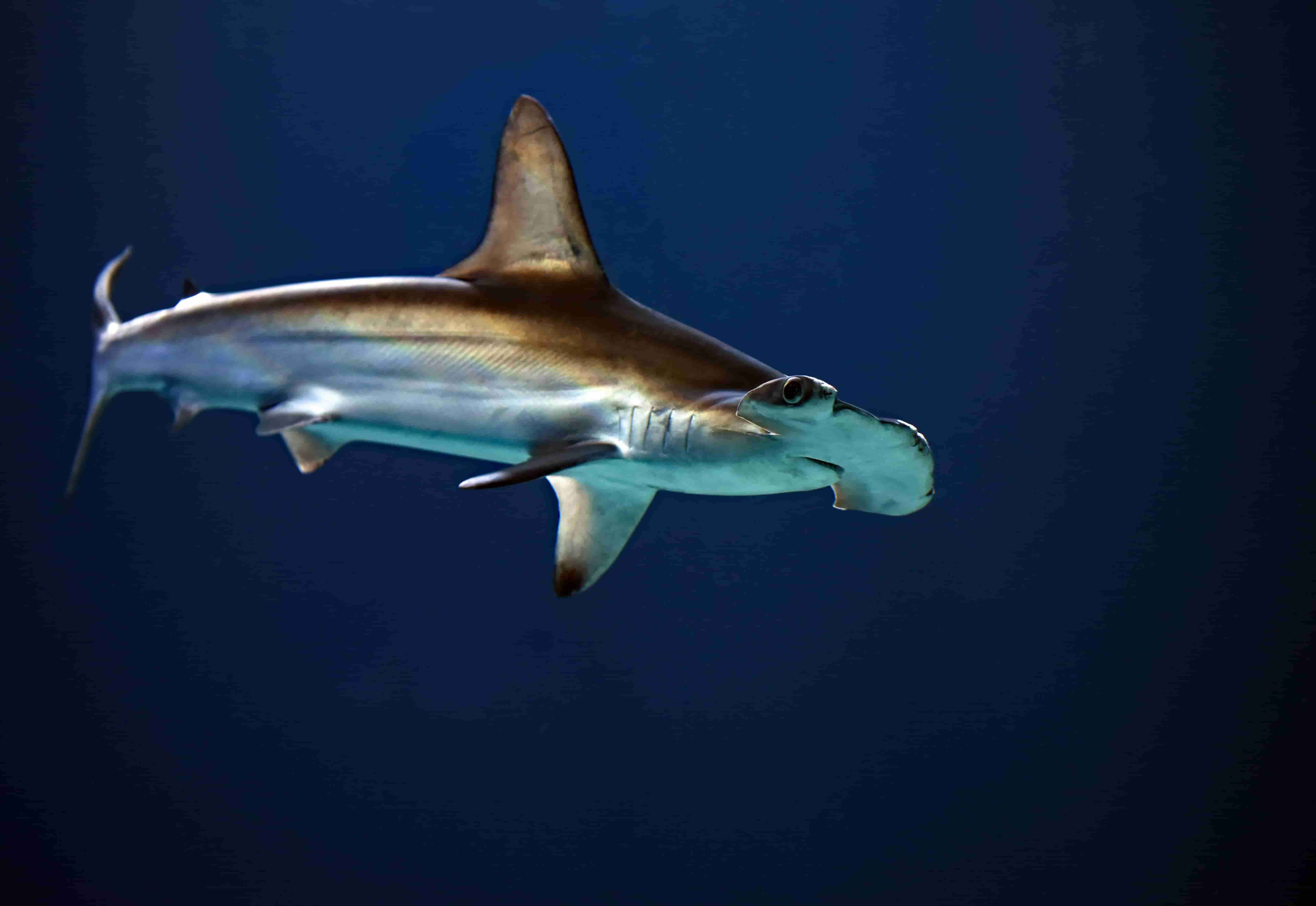
A cephalofoil describes an unusual head that is broad and flat, providing the ability to see in all directions (360 degrees) and also increasing the surface area for electroreception organs thereby providing the ability to locate hidden food resources on the seafloor.
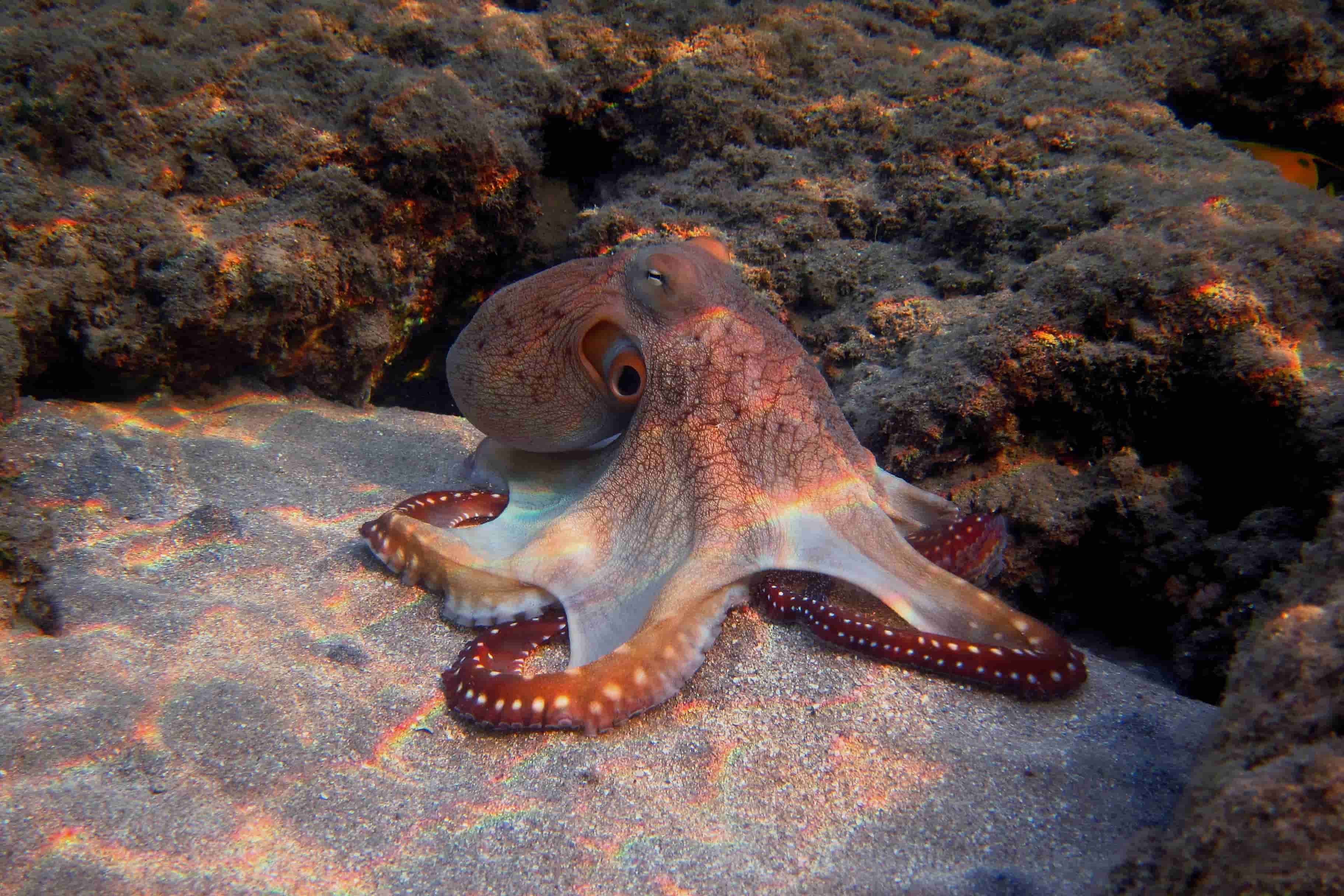
These creatures possess an above-average ability to solve problems in the water. They have three hearts and blue-hued blood, and have the capacity to alter their skin color and texture within milliseconds in order to blend into the ocean floor.
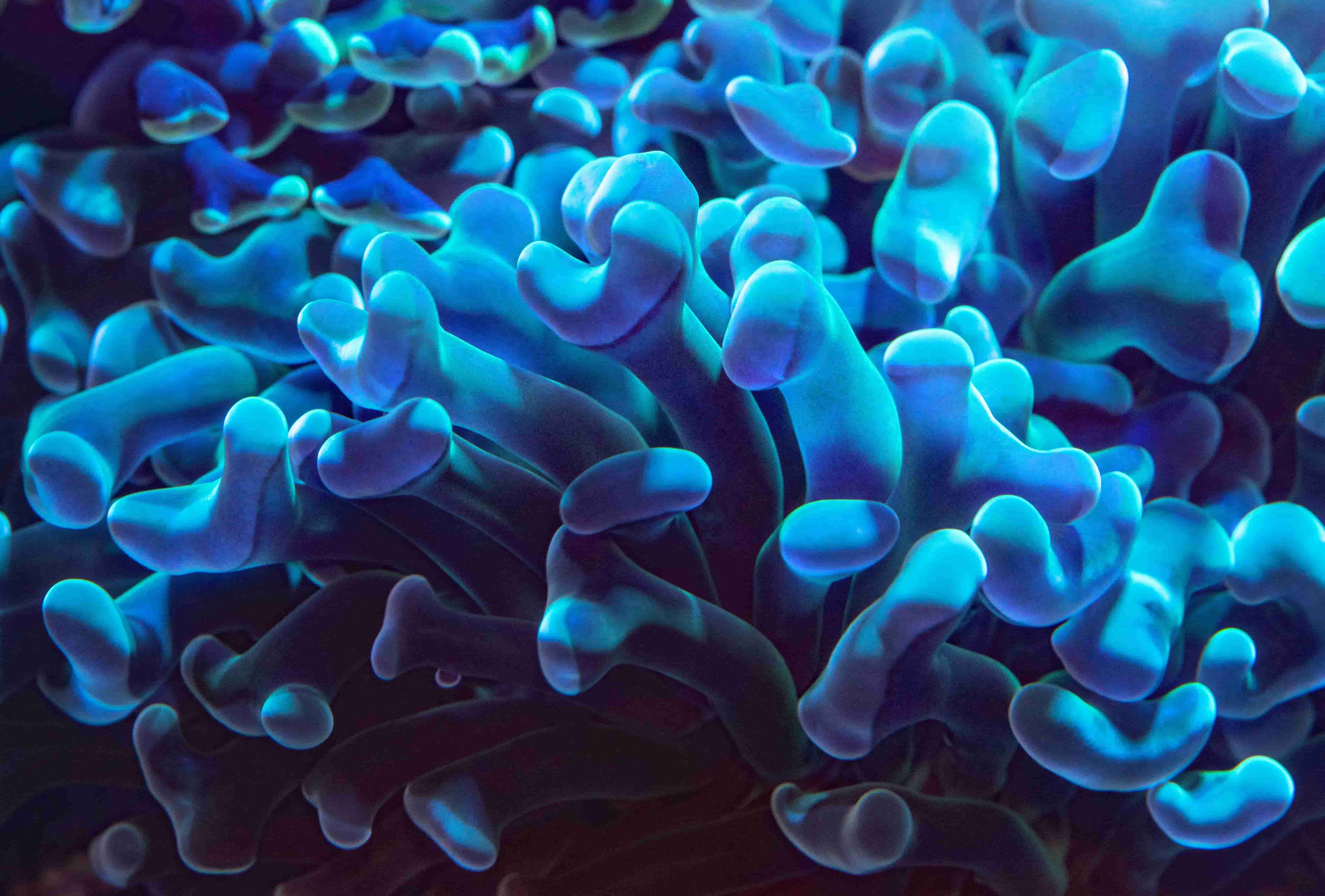
In contrast to the shallow-water corals that depend on light energy, corals from the deep-sea survive without any light by feeding on decaying organic matter. Some species of deep-sea corals illuminate their bodies with a ghostly blue light to lure in small creatures to their polyps.
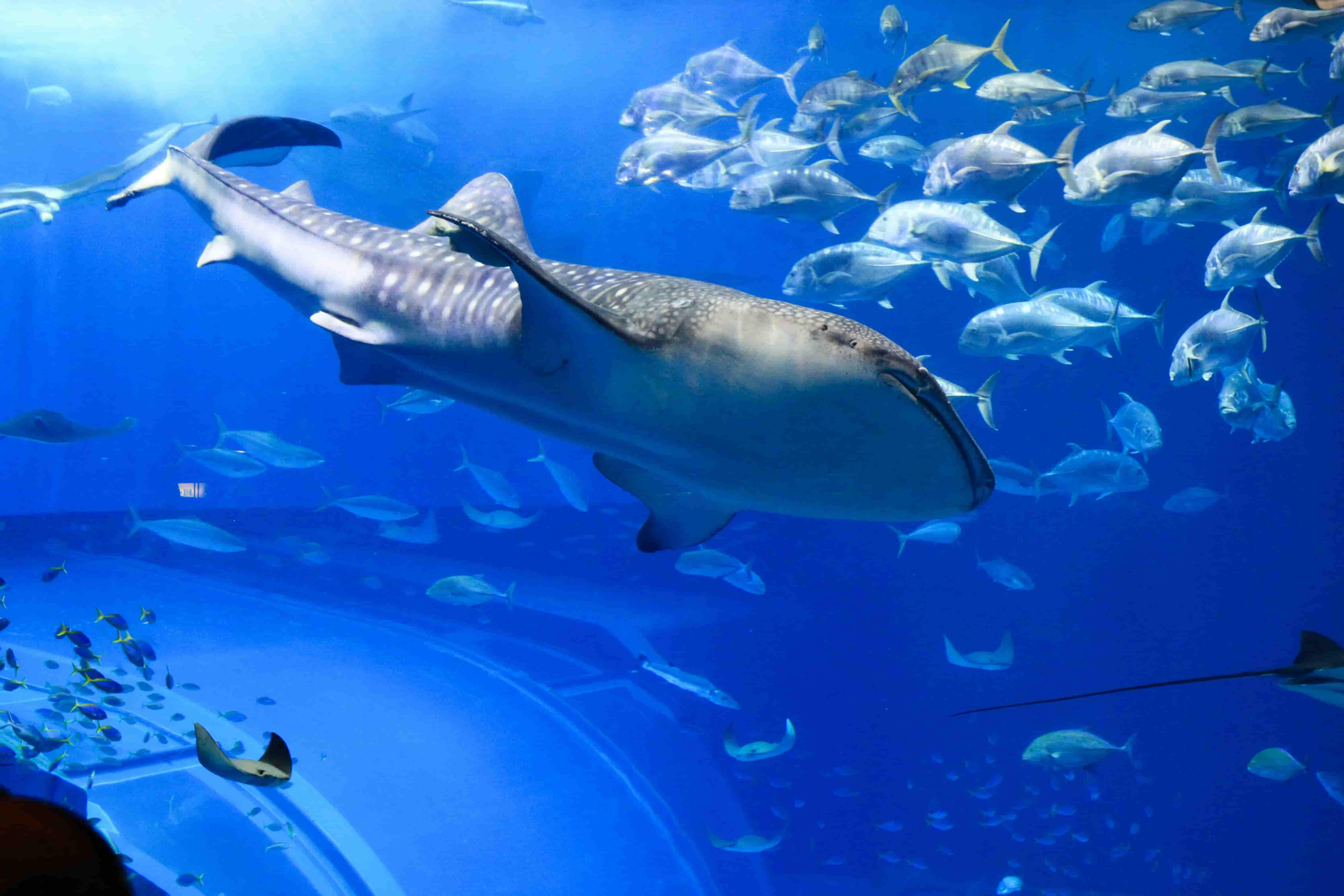
This giant fish is the largest in the ocean! They can appear to be frightening, but they are just gentle creatures that filter feed on food by passing it through their gills. These large fish will dive deep into the ocean to help keep themselves cool as well as to search for areas (patches) full of plankton to eat.