Harassment
Repeated insulting messages, threats, rude comments, or direct messages meant to embarrass, scare, or upset someone.
What It Can Look Like
Repeated insulting messages, threats, rude comments, or direct messages meant to embarrass, scare, or upset someone.
Posting screenshots, rumors, edited photos, or private information to mock someone in front of a larger audience.
Leaving someone out on purpose, making fake profiles, or pretending to be them to damage their reputation.
Why It Matters
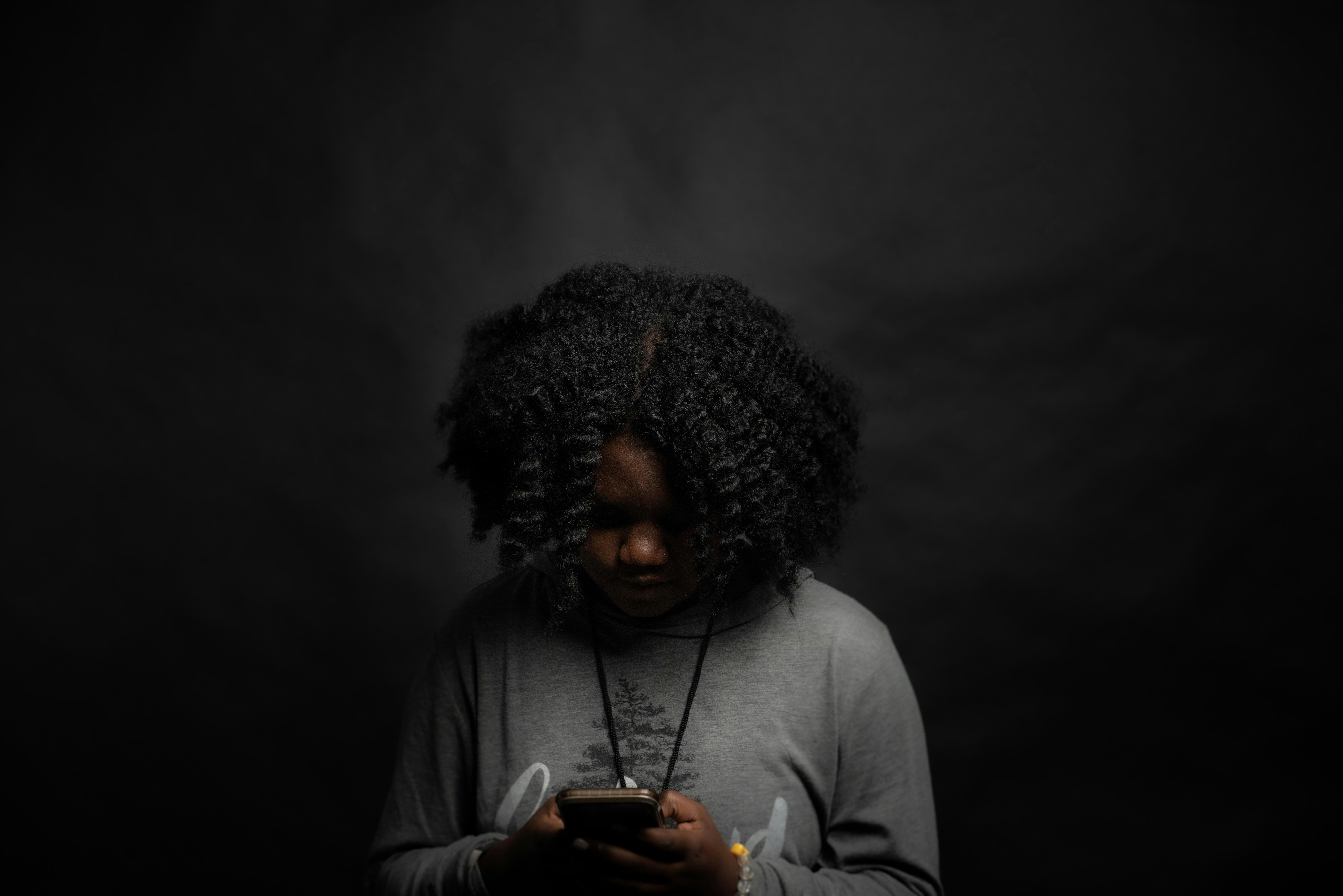
Hurtful posts and messages can follow someone all day, not just during school or work hours.
Online content can spread quickly and be difficult to take back once it is posted or shared.
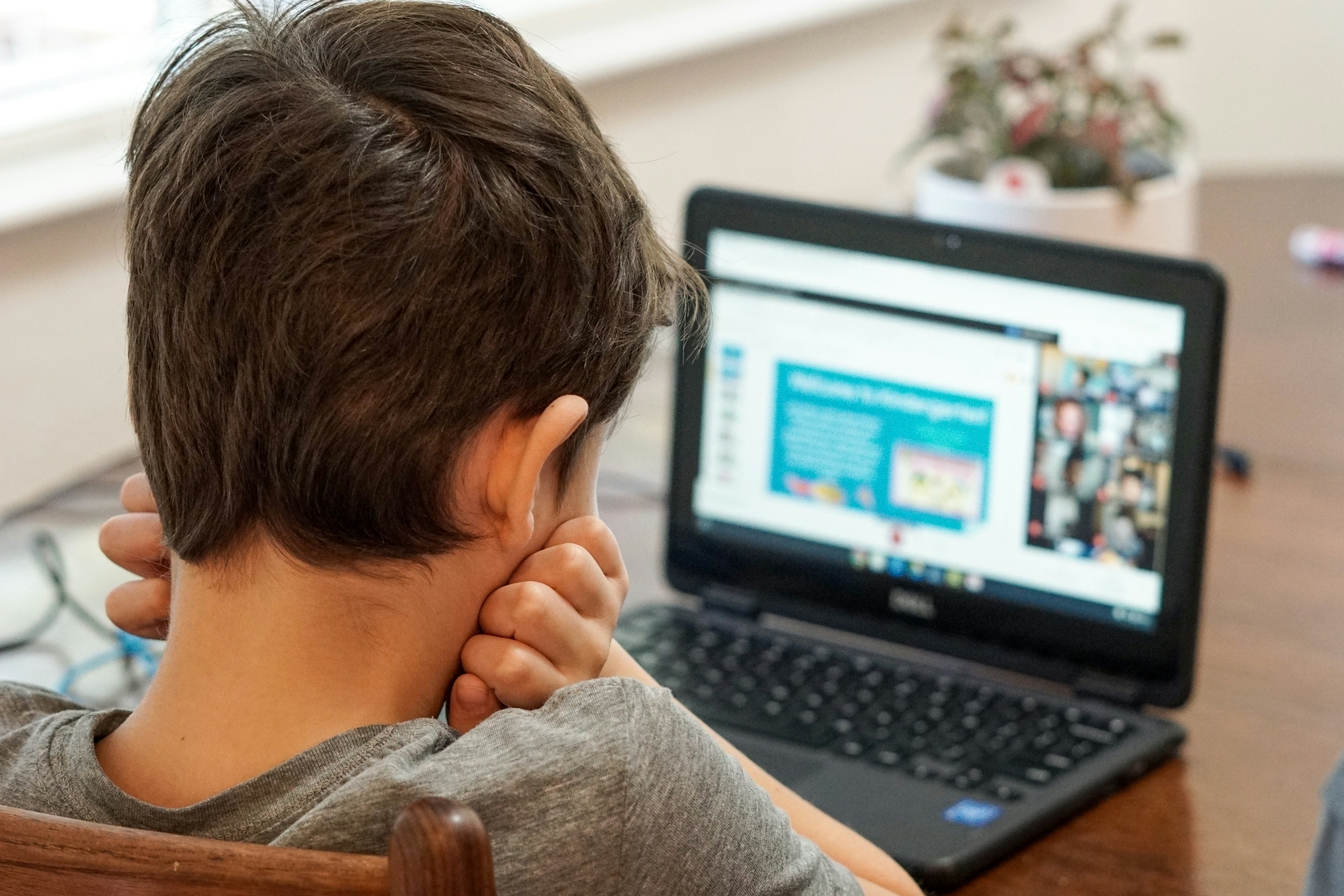

Cyberbullying can move beyond rude comments and become a real privacy or safety issue.
Handling It Safely

Responding while upset can make the situation worse or create more screenshots that keep the conflict going.
Most platforms give you tools to block and report harmful behavior. Use them.


Cyberbullying can make people feel alone, but support matters.
Prevention
Do not post or share something online that you would not say in person or that could embarrass another person later.
Review account privacy settings, limit who can contact you, and be careful about what personal details you make public.
If you see bullying happening, do not join in. Support the person targeted and encourage reporting instead of sharing it further.
Quick Reminder
Online spaces are still real spaces. Respect, patience, and knowing when to report harmful behavior can make the internet safer for everyone.