The Basic Understanding of Nutrition
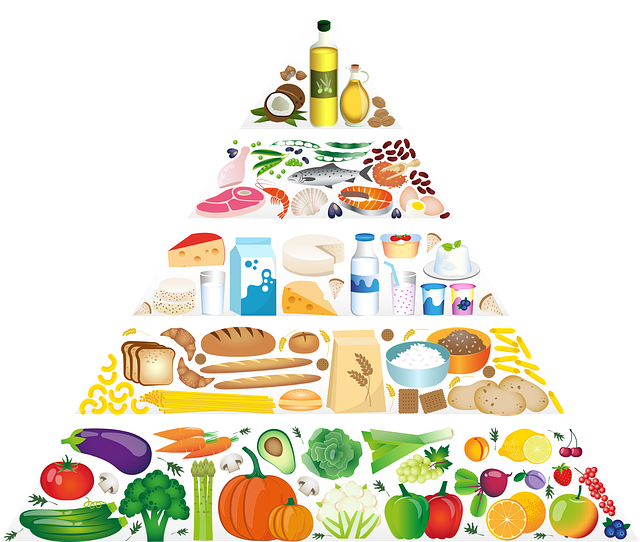
To understand nutrition and the basics of it you need to understand everything about food. Calories are a measure of energy that makes the human body function. Our bodies need calories to sustain life in every way. When we eat food our body breaks it down and releases the energy which is either used immediately or it's stored for later use.
It's important to understand that not all calories are the same. They all affect our bodies in different ways. The foods we eat are made up of macronutrients and the three main foods are proteins, carbohydrates, and fats. Each plays a significant role in supporting health and performance.
- Proteins: help repair and build muscle
- Carbohydrates: provide the body with its main source of energy
- Fats: help support hormone production and overall body function
In addition to macronutrients, our bodies also need micronutrients which are vitamins and minerals. Micronutrients don't provide energy like macronutrients, the job of micronutrients is to supply your body with essential vitamins and minerals that help support immune function, bone health, and your metabolism. Someone who lacks micronutrients can have poor health regardless of how healthy they eat.
When we dive deep into important concepts of nutrition, a concept that needs a lot of attention and time to understand is Energy Balance. This is the concept that if you consume more calories than your body needs, your body will gain weight due to excess energy storage. If you consume fewer calories than your body needs, you will lose weight because your body will use up the stored energy you have. Understanding this balance is important in controlling your body weight in a healthy way.
Another big part of nutrition is the quality of food you intake. All of us love sitting back and eating a pizza here and there, but if you have goal in your life that involves getting healthier and eating better than that pizza is not good for you. When we talk quality we talk about foods like fruits, vegetables, lean proteins, whole grains, and healthy. Those foods provide the necessary nutrients that support your overall health better than any highly processed foods. One of the hardest things someone can do is undertanding what you actually put in your body. I challenge you to track yourself for one day and you'll be surprised as to how much you eat and what exaclty are you putting in your body
Hydration is the single most important factor. Water is essential for digestion, nutrient transport, physical performance, muscle building, fat loss, and overall health. Even mild dehydration can affect your performance and progress.
Overall nutrition is more than just counting calories, it's about making informed decisions that benefit your health in the long run. By focusing on these concepts, you can build a strong foundation for long-term health and fitness.
Not Every Body is the Same
Something very important that people need to understand is that everybody is different. Your body is shaped differently by genetics, age, hormones, metabolism, lifestyle, and sleep. You can have two people follow the same exact workout and nutritional plan and they will get different results everytime. The things is that is completely normal. When it comes to muscle some people build it real quickly, and some need more time. When it comes to workouts some people respond better to high intensity workouts, and some repsond to moderate and lower intensity workouts. Metabolism is also something that many people have different. Some people have fast metabolisms that burn calories faster, while others have slower metabolisms that makes people be more mindful of what they eat since their metabolisms burn calories slower than the average person. When it comes to the decision you make you need to make the ones that fit your lifestyle and helps you personally. You shouldn't compare yourself to other people because it's only going to make you frustrated and unfocused. The key to this is to listen to your body and figure out what works for you.
Tracking Progress
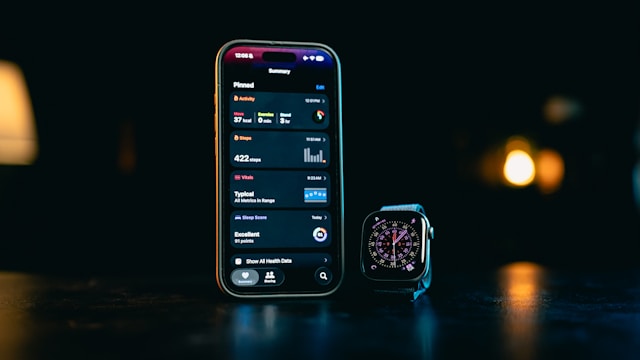
Keeping track of your fitness and nutrition is an effective way to stay consistent and see results overtime. It's hard to lose sight of progress or can't see changes when you don't track. keeping track can help build habits and help get better results. You develop a picture of what works for you and what needs to be adjusted. Keeping track of what you eat is helful in understanding what you eat and what you can change. It's also helpful to track your workouts and personal progress. Keeping track of your workout in helpful because you can see what workouts work best for you and what workouts don't. Taking photos and tracking your overall progress is great for seeing what you have done and how you can improve more.