MY BEARDED DRAGON

What Kind of Bearded Dragon Do I Have?

Normal Bearded Dragon
Image Credit: Reptile Guide

Normal/Classic

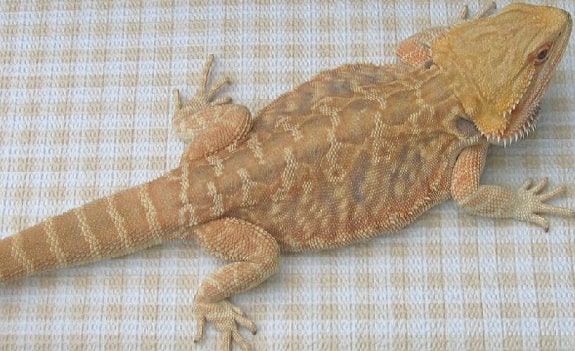
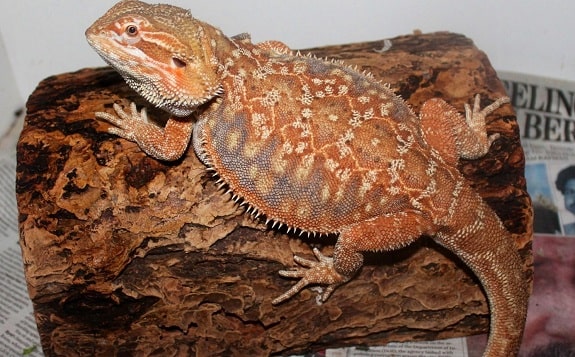
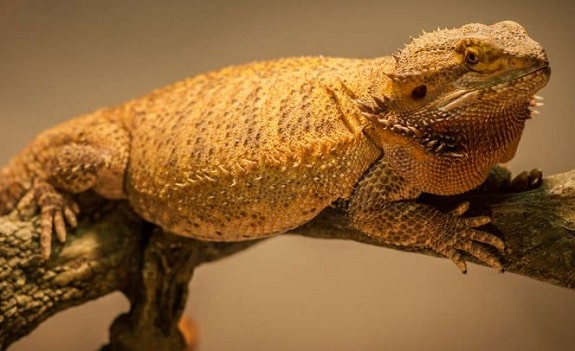
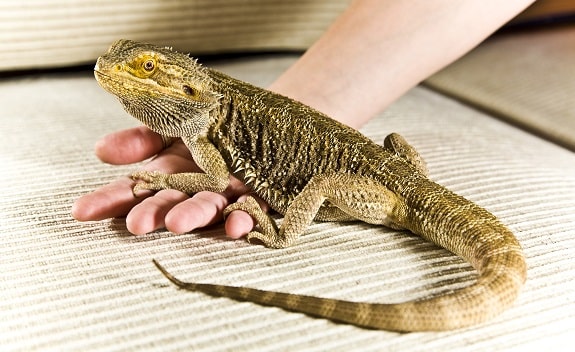
Normal/classic morphs are similar to their wild counterparts. They have the same sandy brown or tan coloring that wild dragons use for camouflage, some also come in different patterns, with tiger stripes being the most common. Captive breeders have introduced new colors that are unique to domestic dragons and are not naturally occurring, like deep reds, bright oranges, and even olive greens.

With their triangular heads, spiky beards, and spikes running down their backs and sides, they are visually and genetically the closest to wild bearded dragons that inhabit Australia.
Hypomelanistic Bearded Dragon
Image Credit: Reptile Guide

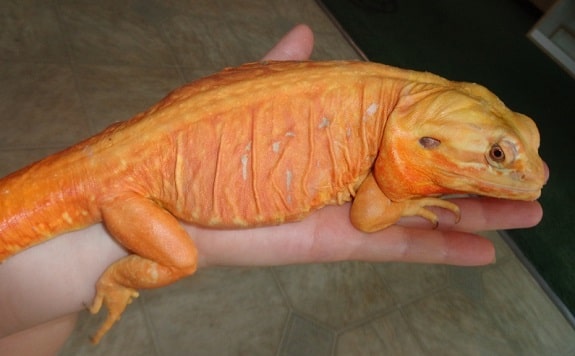
Hypomelanistic

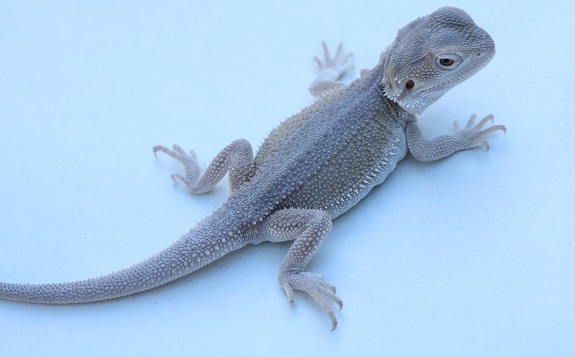
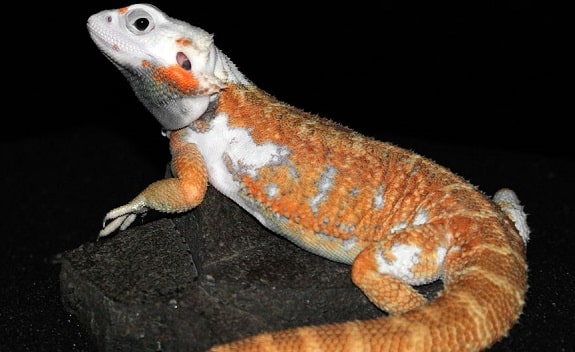
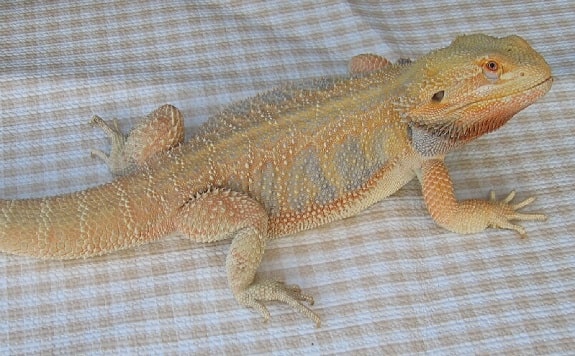
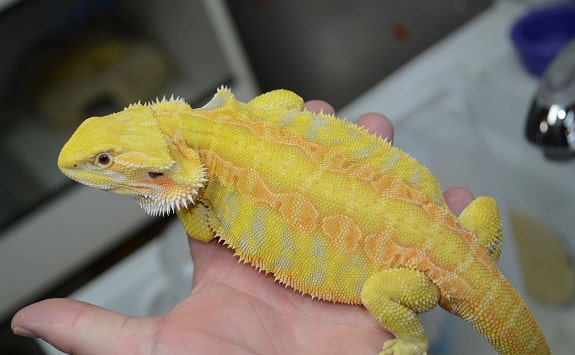
The hypomelanistic dragon appears light or pastel. They born brightly colors, however, due to a mutation that causes their bodies to produce less melanin, they grow paler with age. This morph has clear nails and a wide range of skin tones, ranging from pink to powder blue.

In addition to being a morph in its own right, hypomelanistic can also be a part of other dragon morphs. For instance, there is such a thing as a hypo-translucent dragon, a hypo-witblits dragon, a hypo-leatherback dragon, and more.

Leatherback Bearded Dragon
Image Credit: Reptile Guide

Leatherback

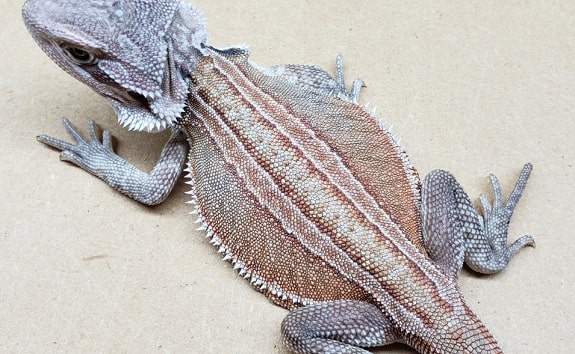
Though they have classic dragon features, leatherbacks lack a ridge of spines on their backs, which makes their colors appear more vivid. They also feel smoother without the bumps. This trait is considered co-dominant. Leatherbacks carry one allele for the trait, meaning they are heterozygous. If a beardie is homozygous for the trait, it is a silkback, or silkie.

You might find references to 'Italian' and 'American' leatherbacks. These are outdated terms. Save for one having sprung up in Europe, there's no difference between the two morphs caused by co-dominant mutations.

Silkback Bearded Dragon
Image Credit: Reptile Guide

Silkback/Silkie

Silkbacks, or silkies, are completely scaleless dragons, which will happen if two parents are homozygous for an incomplete or co-dominant leatherback gene. These morphs do not exist in the wild, and are a direct result of unethical domestic breeding.

Because they lack any scales, they are smooth to the touch, resembling amphibians rather than reptiles. They need a more intensive care regimen than other dragons. Without the protection of scales, they shed more often than most beardies. Their skin is also more easily damaged, bruised, cut, or dangerously dried out. They should be regularly bathed and moisturized to promote healthy circulation and kept in tanks of their own, so they can't be hurt interacting with other dragons. Even non-aggressive contact can wound a silky. Be cautious when picking toys and landscape features for their habitat as well.

They are the only morph without a beard, as the extra skin under their heads cant be inflated or change color.

Microscale Bearded Dragon
Image Credit: Reptile Guide

Microscale

Microscale dragons are a result of cross breeding with a beardie that has two dominant leatherback genes and one that has one dominant and recessive gene. They are similar to leatherbacks, but with fewer spines. They have no spines on their sides and their scales are much smaller than other breeds.

Translucent Bearded Dragon
Image Credit: Reptile Guide

Translucent

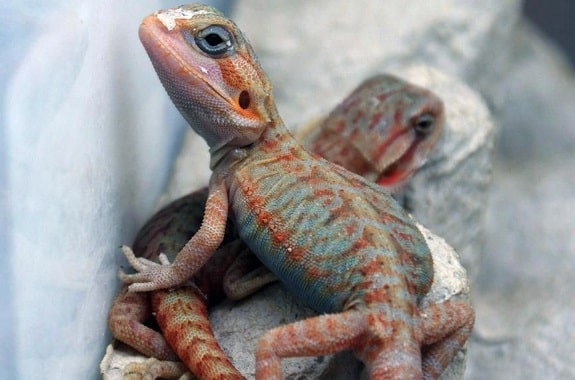
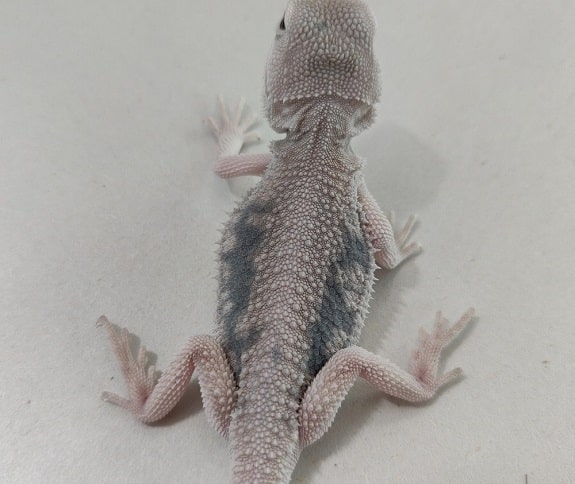
Translucent beardies will have cloudy skin when they are juveniles. This is because their skin is transparent , which makes it appear transparent. As they get older, their skin thickens and the blue tint usually goes away.

There are claims that this morph is prone to severe health problems and that the offspring of two translucent beardies will be weak. This is partially untrue, as two parents with robust genetic profiles will breed strong, healthy children.

Dunner Bearded Dragon
Image Credit: Reptile Guide

Dunner

This morph is named after the person who developed it, Kevin Dunn. They have distinctive patterns of spotty markings, rather than stripes. Their feet and tails or thicker. The most memorable thing about them is that their scales point in different directions rather than following a pattern, which creates a haphazard look.

Zero Bearded Dragon
Image Credit: Reptile Guide

Zero

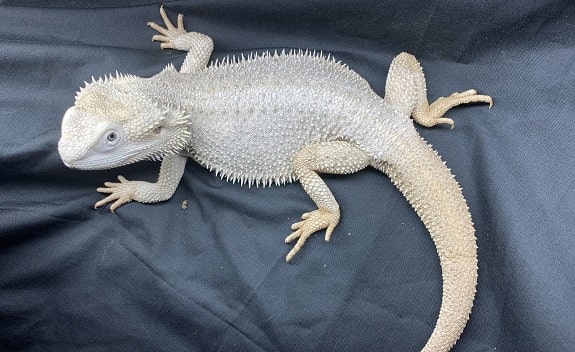
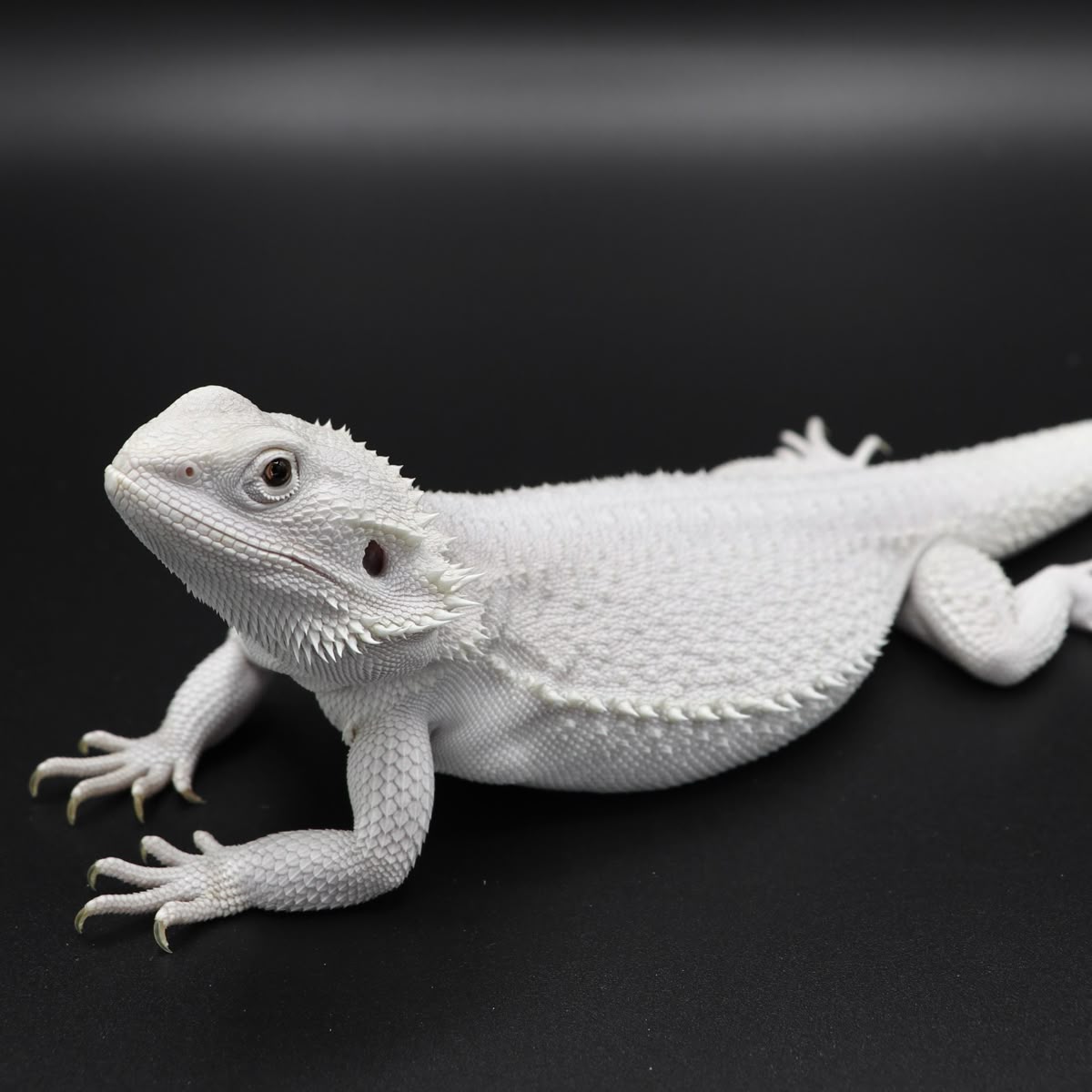
This morph was developed in Germany, and they tend to be white with no markings at all. They are similar to witblits and silverbacks, but are differentiated by their black shoulder pads.

Zero's are prone to changing color, called the conscious reflex, which is used for camouflage, communication, and regulating body temperature.

German Giant Bearded Dragon
Image Credit: Reptile Guide

German Giant

There is not guaranteed way to know if you have a German Giant before it is fully grown (approximately 1.5 - 2 years old). They are characterized by their much larger than average size, large clutches of eggs, high levels of aggression, and their silver-colored iris;.

Genetic Stripe Bearded Dragon
Image Credit: Reptile Guide

Genetic Stripe

This morph is a dominant mutation that causes clear racing stripes on each side of the spine.

Witblits Bearded Dragon
Image Credit: Reptile Guide

Witblits

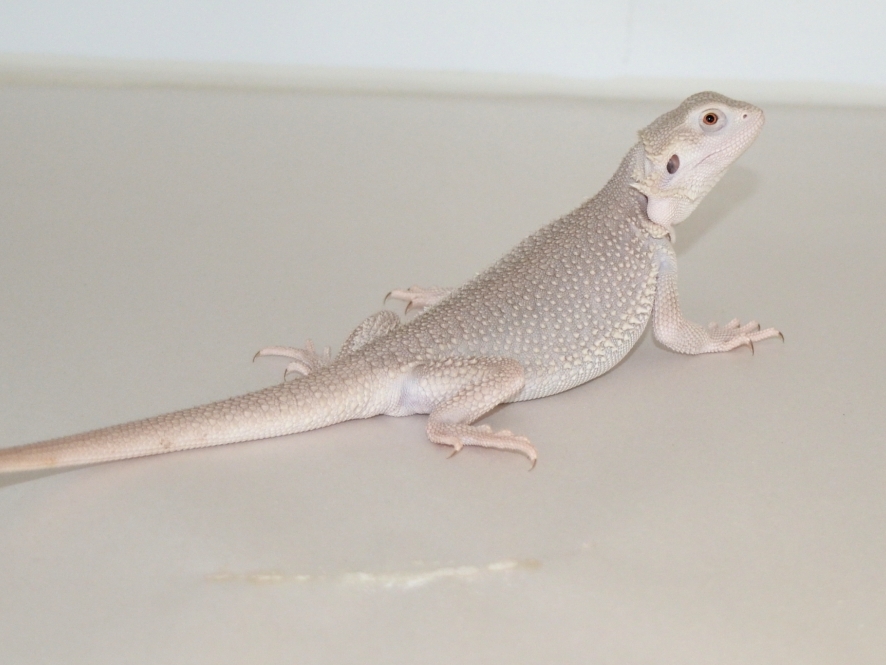
This morph originates from South Africa when a breeder produced a pale beardie of one solid color. They are called witblit, or white lightnings, after a South African alcohol.

These guys are not actually white. Their lack of markings and monochromatic colors are caused by a recessive gene. And unlike Zero's, Wero's, or Silverbacks, they have no color on their shoulders at all.

Silverback Bearded Dragon
Image Credit: Unique Pets Wiki

Silverback

This is a recessive morph originating from Japan that removes most of the color and patterns from the beardies skin. They are off-white, beige, or brownish and are born with markings that fade over time.

Wero Bearded Dragon
Image Credit: Reptile Guide

Wero

This morph is the result of crossbreeding a Zero with a Witblit, and is relatively new. They are almost identical to Zero's in appearance, except for a few dark blotches around the base of the tail.

Paradox Bearded Dragon
Image Credit: Reptile Guide

Paradox

This morph is extremely rare and highly sought after for their unique markings. They are born with a body of one solid base color, but over time begin developing their adult patterns that give them their name.

Unlike other traits in different morphs, there is no evidence their markings are caused by a gene, and is therefore not technically classified as a true morph.

Albino Bearded Dragon
Image Credit: 7th Galaxy Dragons on Pinterest

Albino/Amelanistic

Like all other albino animals, this morph lacks melanin completely. They have pure white scales and pink or red eyes. Their lack a melanin leaves them especially sensitive to UVB light.